Market · Site conditions
Industrial Drones in the United Kingdom (2026): CAA Routes, Rain and Facade Work
Drones in the United Kingdom in 2026: which CAA route fits a 7 kg inspection drone, a 111 kg cleaning drone and a 100 kg lifter, plus rain and wind.
- Author
- VEXAFLY Aviation Technology Co., Ltd.
- Scope
- Market · Site conditions
- Published
- Length
- 5 min read · 6 sources
Short answer: in 2026 drones in the United Kingdom are chosen by weight and by what the job does at height. Under 25 kg including payload an aircraft can sit in the open category with the right UK class mark; above 25 kg it needs a CAA operational authorisation. Of our aircraft, the 7 kg IS-4 is the light one, while the CW-65 and HL-100 are always specific category. Facts checked on 28 November 2026.
Site conditions at a glance
A buyer with a roof, a tower or a wind farm access road needs something else: the rule, the weather and the job.
| Condition | Figure | What it means for equipment |
|---|---|---|
| Weight line | Open-category classes UK0 to UK6 cover aircraft under 25 kg including payload (CAA) | Only the IS-4 is light enough; CW-65 and HL-100 are not |
| Class marks | A new model placed on the UK market from 1 January 2026 needs a UK class mark | Ask any maker for the class-mark status of the exact model |
| Specific category | An operational authorisation from the CAA is required first; routes are PDRA or UK SORA (CAA) | Budget time and a written operations manual |
| Work at height | Employers must avoid work at height where it is reasonably practicable to work safely otherwise (reg. 6) | A strong reason to price drones against rope access |
| Fatal accidents | 126 workers killed in work-related accidents in 2025/26; falls from a height are among the main kinds (HSE) | Safety case for removing people from facades and roofs |
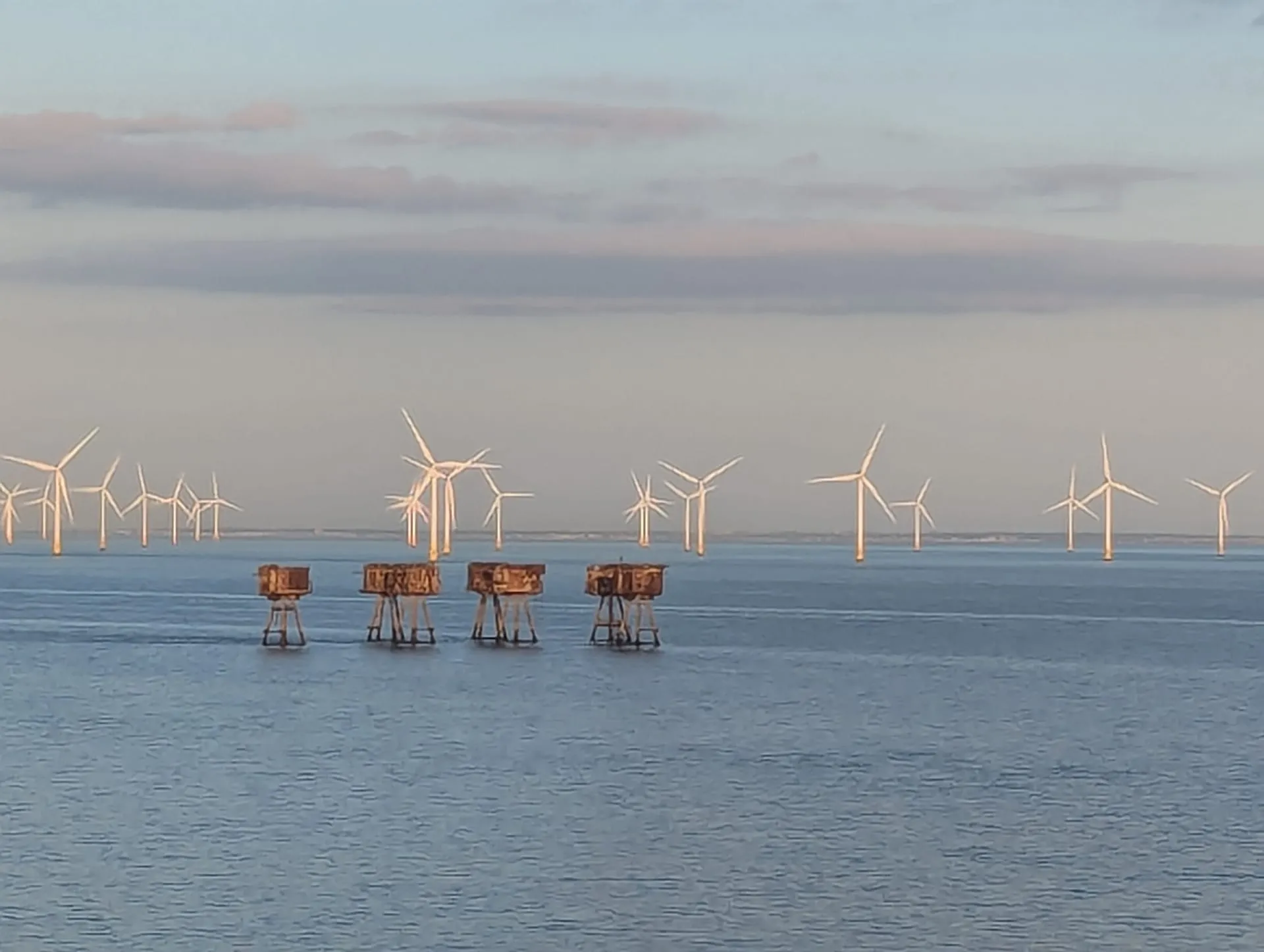
| Offshore wind | 16.5 GW grid-connected capacity (Crown Estate) | Onshore support jobs and spare-part logistics; we do not claim flights to turbines |
Which UK route does your aircraft need?
The CAA’s guidance for larger aircraft is CAP 722. The table sets our reference weights against the routes.
| Aircraft | Reference weight | Likely UK route | Note |
|---|---|---|---|
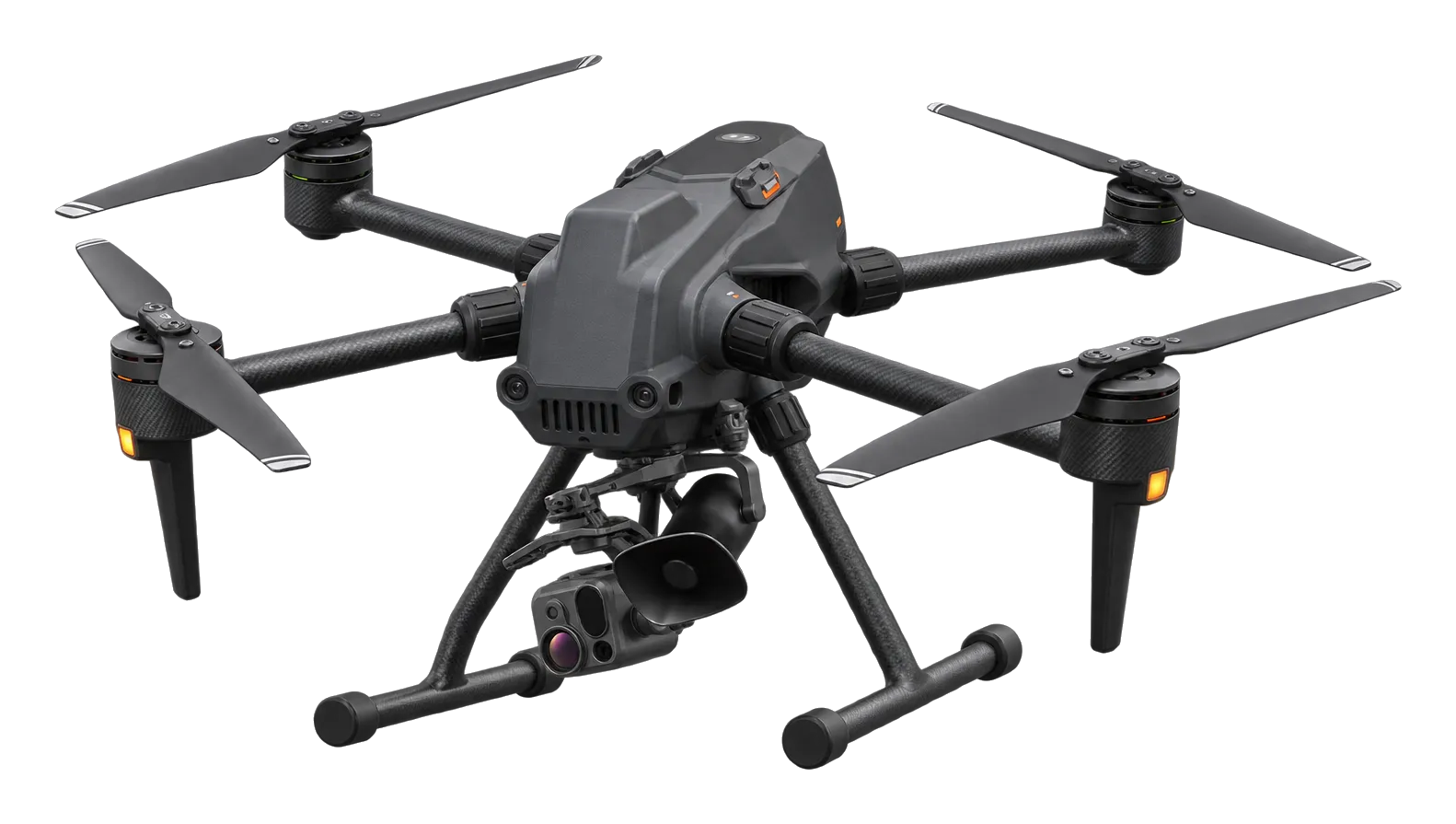
| IS-4 | 7 kg MTOW, IP45 | Open category if it carries a suitable class mark; specific category for docked or beyond-line-of-sight work | Class-mark status of our models is unverified; ask us |
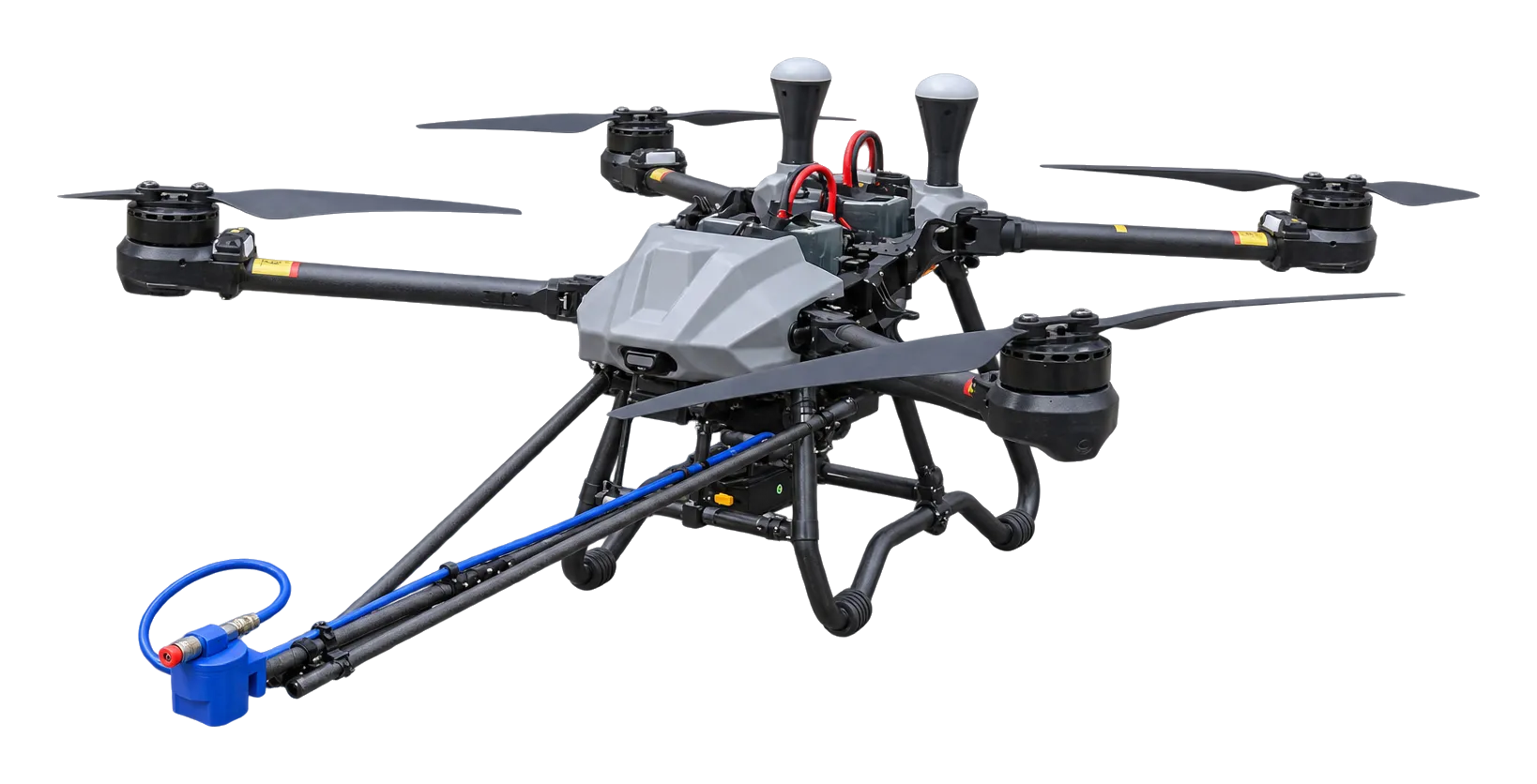
| CW-65 | 55.8 kg with battery, 111 kg MTOW | Specific category | Operational authorisation from the CAA |
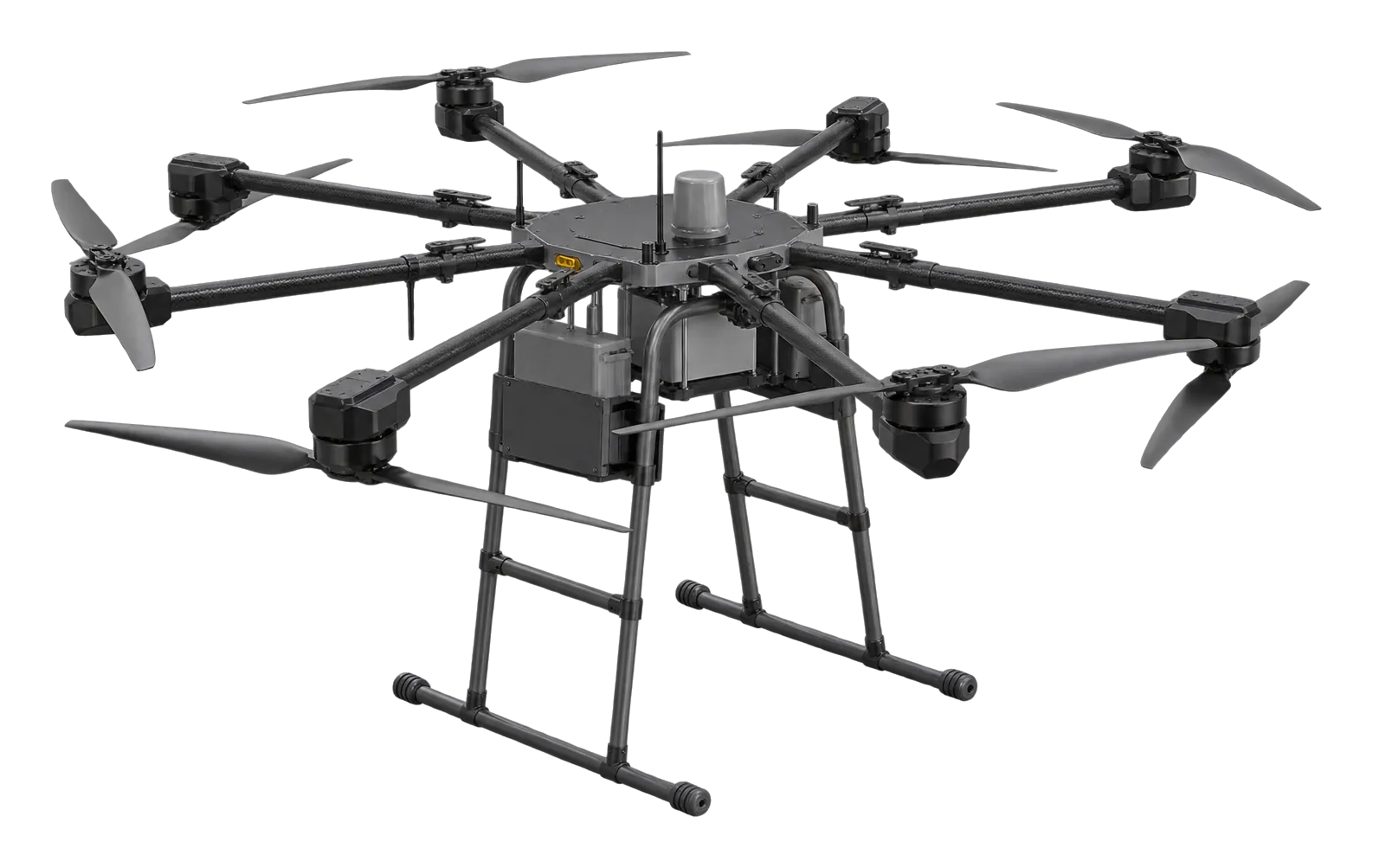
| HL-100 | 60 kg airframe, 100 kg rated payload | Specific category | External load operations add to the risk assessment |
Never plan a job on the assumption that an aircraft “can fly in the UK”. Plan on what the CAA authorises for your operator, your site and your aircraft. For the paperwork on the product side, read CE marking and class marks.
Rope access, survey drone or cleaning drone?
The choice depends on what the facade needs, not on which tool is newer.
| Job | Best tool | Reason |
|---|---|---|
| Find loose cladding and failed sealant before work | IS-4 with zoom or thermal camera | Light, under 25 kg, no one on the wall |
| Wash a glass curtain wall up to about 100 m | CW-65 on a tether | Water pressurised on the ground and fed up a hose |
| Scrape, seal, replace a panel | Rope access or a platform | The drone sprays; it does not brush or repair |
| Photograph a roof edge | IS-4 | Quick launch, RTK positioning |
This is a short version of the longer comparison in drone vs rope access for window cleaning.
How much water can the CW-65 really lift?
Example (arithmetic from the product file, assumptions marked). The CW-65 has a 111 kg maximum take-off weight and weighs 55.8 kg with its battery. That leaves 111 − 55.8 = 55.2 kg for water, lance and anything hanging from the aircraft. At about 1 kg per litre that is at most about 55 L before the hose and lance weight are counted, so the 62 L tank is never flown full. In practice the drone is fed by a hose from the ground pressurisation unit and carries little on board; the fill level and hose set-up are fixed on the quotation.
How does UK weather change the choice?
Rain, wind and salt air shape the working calendar more than the rules do.
- Rain. The IS-4 is IP45, which means it is not for heavy rain. IP67 on the HL-100 covers immersion, not a jet wash, so read our IP rating guide before promising all-weather work.
- Wind. The IS-4 is rated to wind level 7 in the brochure; the CW-30 data sheet gives level 6. Gusts between buildings can exceed the open-ground figure, so set a site limit in the method statement.
- Coast. Salt spray and wet landing zones argue for sealed airframes and a rinse routine. The Crown Estate counts 16.5 GW of offshore wind, and onshore access roads to those projects are the kind of site where a lift drone saves a truck trip.
Can a lifting drone help on hard-to-reach sites?
The HL-100 carries up to 100 kg rated payload on a 60 kg airframe. It suits tools, insulators and cable drums across ground a truck reaches badly: steep banks, flooded access tracks, tower bases. External loads add risk, so the CAA authorisation must describe the load, the route and who may be under it. Read wind turbine drone delivery and island and offshore drone delivery for the logistics side; we make no claim about flights to offshore turbines.
Recommended configurations
| Job | Model | Why |
|---|---|---|
| Facade or roof survey before rope access | IS-4 zoom or thermal | Under 25 kg, fast, no one at height |
| Glass facade washing up to 100 m | CW-65 tethered, ground pressurisation | Hose-fed water, no battery limit on flight time |
| Tools and parts to a hard site | HL-100 | 100 kg rated payload, IP67 |
Best for facade owners with a mixed estate: the IS-4 for survey (7 kg, 63 min flight time) plus a service contract for washing. Best for cleaning contractors: the CW-65 for towers up to 100 m, CW-30P for blocks up to about 50 m. Best for site contractors: the HL-100 where a 100 kg load saves a repeat journey.
What about import and support?
Conformity marking, UKCA or CE treatment and import duty depend on the product and the date it is placed on the market. Confirm them with your customs broker and read importing industrial drones from China. Spares, batteries and training are covered on our service page, and dealer terms on the partners page.
Next step: send us the building height, the facade material and the nearest water point, and we will name the aircraft and say which CAA route your operator should price first, or see the cleaning range.
Q & A
Common questions
01Is CAA approval needed for a heavy industrial drone in the UK?
Yes. Aircraft of 25 kg and above sit outside the open category, so you need an operational authorisation from the CAA before flying in the specific category. The CAA describes two routes: a pre-defined risk assessment (PDRA), usually the simpler one, or a UK SORA. Which fits your operation is the CAA’s decision.
02What changed for UK drones on 1 January 2026?
The CAA says any new drone model placed on the UK market from that date needs a UK class mark, with seven classes from UK0 to UK6. Until 31 December 2027 a C-class aircraft can be flown as the matching UK class; from 1 January 2028 it becomes a legacy aircraft. Read the CAA class-mark page for your model.
03Can a drone replace rope access for facade cleaning?
For washing glass and cladding up to the drone’s working height, often yes; for scraping, sealing or repair work, no. The Work at Height Regulations push employers to avoid work at height where a safer method is reasonably practicable, so a drone is worth pricing next to rope access. Compare the full job, including the CAA authorisation.
04Which drone class do industrial drones fall into in the UK?
Most payload-carrying industrial aircraft are above 25 kg and so fall in the specific category, not a class. Light inspection quadcopters may fit the open category if they carry the right class mark. We do not claim any VEXAFLY model holds a UK class mark; ask us for the document status of the model you want.
05How does rain affect drone work in the UK?
Check the ingress rating first. The IS-4 is rated IP45, so it does not fly in heavy rain; the HL-100 is IP67. Cleaning drones work wet by design, but wind and visibility still set the limit, so plan spare days into the programme.
06Do I need CE or UKCA paperwork to import an industrial drone?
Conformity marking and customs treatment depend on the product and on when it is placed on the market. Confirm the route with your customs broker and read our import guide before paying a deposit.
References
- 1Class marks — UK Civil Aviation Authority
- 2Specific Category overview — UK Civil Aviation Authority
- 3CAP 722: Unmanned Aircraft System Operations in UK Airspace – Guidance — UK Civil Aviation Authority
- 4The Work at Height Regulations 2005, regulation 6 — legislation.gov.uk
- 5Work-related fatal injuries in Great Britain — Health and Safety Executive
- 6Offshore Wind Report 2025 — The Crown Estate
VEXAFLY Aviation Technology Co., Ltd.. VEXAFLY Aviation Technology Co., Ltd. — industrial drone maker in Nanjing. Our application engineers write and check these pages and configure inspection, cleaning, lift and fire-response systems for project buyers. About VEXAFLY