DS-1Inspection & docks
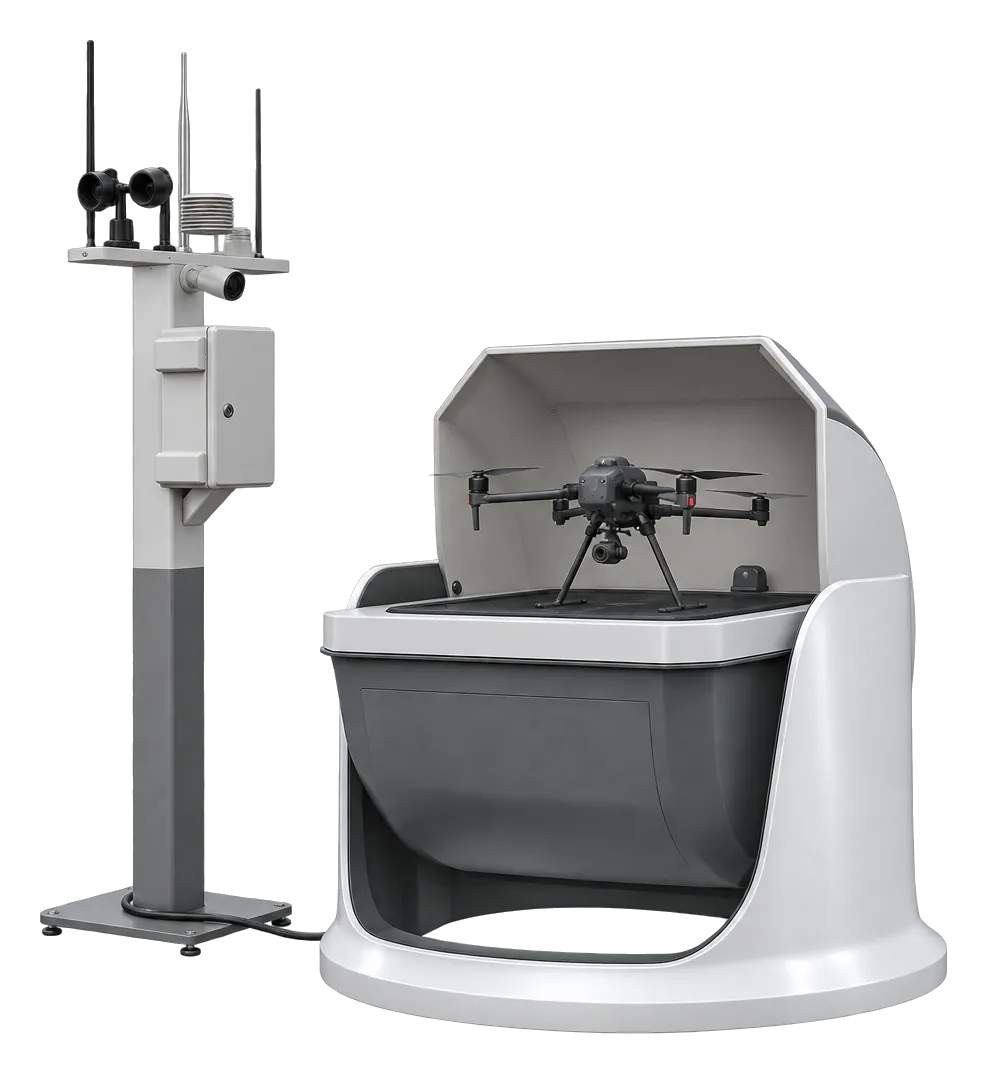
DS-1 Automatic Drone Dock
Substations, solar sites, pipelines and industrial parks that need the same inspection flown again and again.
Specs on requestDetails of DS-1 Automatic Drone Dock

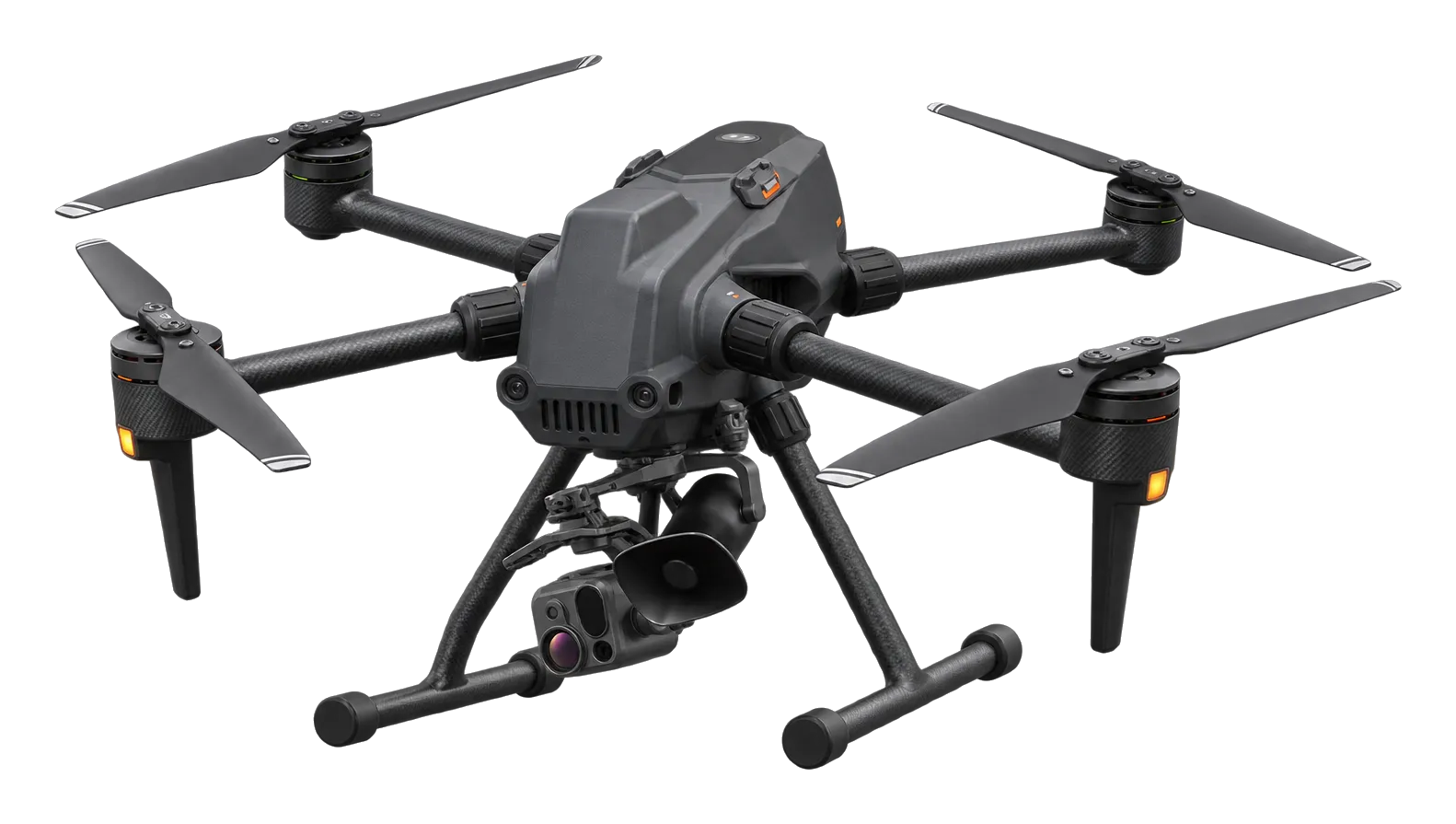
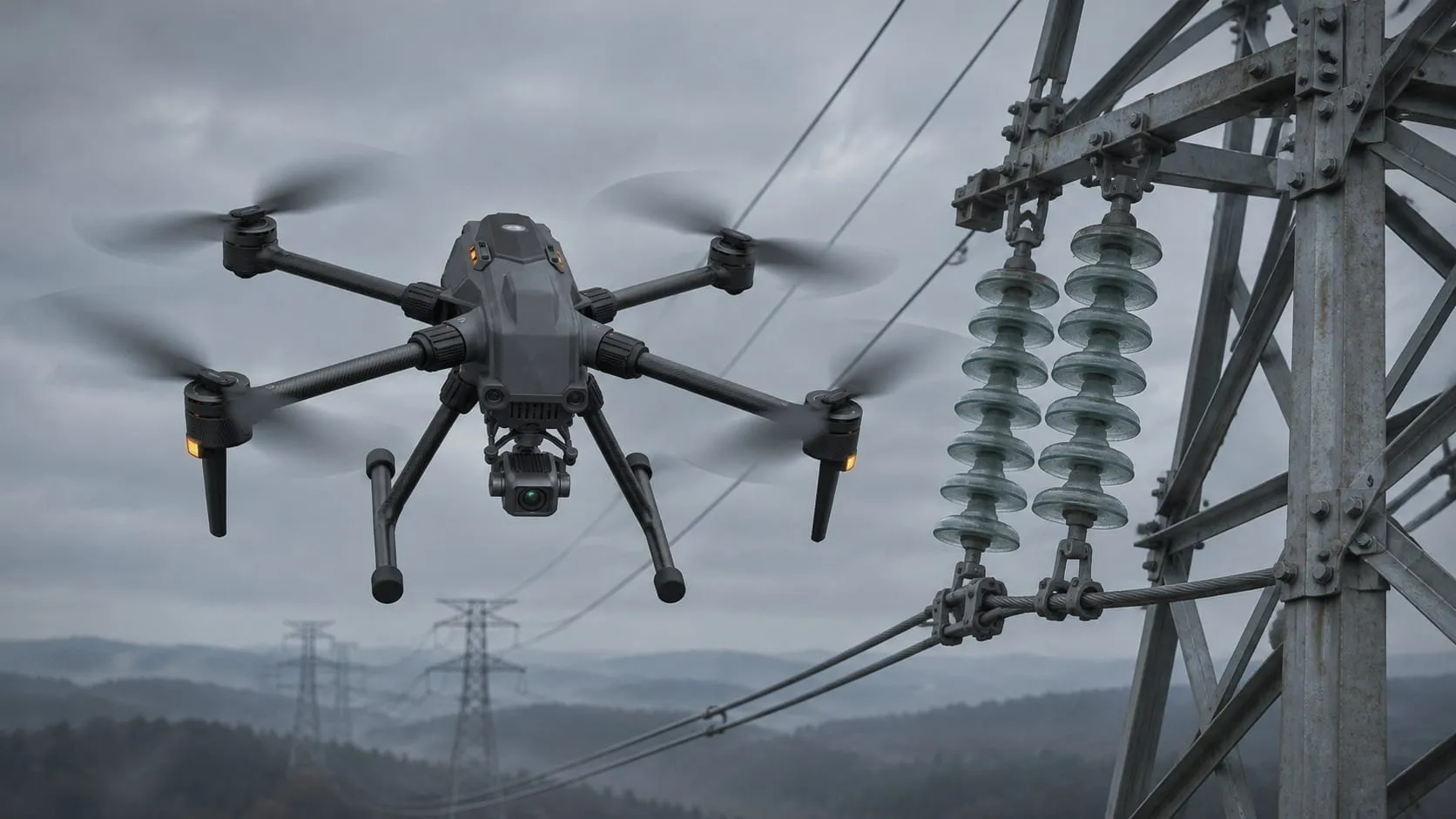
A foldable inspection drone with RTK positioning, omnidirectional obstacle sensing and a choice of gimbal cameras. Flown by a pilot or from the DS-1 dock.
Price range varies with configuration, batteries and order quantity. The final price is on our quotation.
Supplier facts
Made by VEXAFLY Aviation Technology Co., Ltd., Nanjing, China · founded 2016 · customers in 60+ countries · 12-month standard warranty · ISO, CE · OEM / ODM · Partner programme
Best for:Routine inspection of power lines, substations, solar plants and industrial sites, by hand or from a dock.
Specs on request · Reference values
Short answer: the IS-4 is a foldable, RTK-positioned inspection drone for routine checks of power assets, solar plants and industrial sites. It flies up to 63 minutes in the brochure test, carries up to 3 kg and takes several gimbal cameras, and it is the aircraft for the DS-1 automatic dock.
Omnidirectional obstacle sensing, RTK positioning and vision positioning help the aircraft hold its place near towers and equipment. An ADS-B receiver senses nearby crewed aircraft. The airframe folds for transport between sites.
Choose the camera for the job: zoom and visible light for detail, infrared for heat on panels, joints and cables, or both in one gimbal. Tell us what you need to see and at what distance, and we recommend the payload.
Teams can fly the IS-4 by hand from site to site, or install it with a DS-1 dock for scheduled flights. The same aircraft and payloads work in both setups.
Parameters
| Dimensions unfolded (no props) | 549 × 592 × 424 mm |
|---|---|
| Dimensions folded | 347 × 367 × 424 mm |
| Diagonal wheelbase | 725 mm |
| Max take-off weight | 7 kg |
| Max payload | 3 kg |
| Max flight time | 63 min |
| Max horizontal speed | 23 m/s |
| Service ceiling | 5000 m |
| Wind resistance | Level 7 |
| Hovering accuracy (RTK) | ± 0.1 m horizontal and vertical |
| Positioning accuracy (RTK) | 1 cm + 1 ppm H / 1.5 cm + 1 ppm V |
| Video transmission range | 15 km (200 m altitude, no interference) |
| Obstacle sensing | Front 0.7–40 m, sides 0.6–30 m, up/down/back 0.6–25 m |
| Ingress protection | IP45 |
Reference values from the manufacturer brochure (flight time measured hovering, no or light wind). Final figures are confirmed in the quotation. Ask for a model recommendation →
Selection
Our engineers check these points with you, so the quotation fits your site rather than a catalogue default.
FAQ
The main options are a four-optical gimbal (48 MP zoom with 18x optical zoom plus infrared), a 1K infrared dual-optical gimbal, a dual-optical gimbal and an 8K camera. We match the payload to what you need to see.
Yes, it is the aircraft that pairs with the DS-1 automatic dock.
The brochure lists up to 63 minutes, measured hovering in no or light wind. Real missions with payload, wind and climbs are shorter; we estimate it for your route.
That depends on the country and the type of operation. Check your local aviation rules; we can supply the product documents your authority asks for.
Request a Quote
Tell us the site, the task and the flight rules you work under. An engineer replies with a matched configuration and price.
BVLOS drone inspection in 2026: which assets need it, where FAA, EASA and CASA rules stand with dates, the equipment that supports approval, and an example.
Industrial drone manufacturers in China, 2026: DJI, Autel, JOUAV, GDU, CHCNAV, Skysys, Foxtech, XAG, EHang and VEXAFLY, by site type and published specs.
Drone class marking C1, C2, C3 in 2026: EASA class weights, unmarked industrial drones, STS and PDRA routes, UK marks, and questions to ask a supplier.
Substations, solar sites, pipelines and industrial parks that need the same inspection flown again and again.
Security patrols, campuses, small plants and teams that need one aircraft one person can carry and launch.
Long power lines, pipelines, borders and wide sites where flight time matters more than size.
Glass facades, substation insulators and solar arrays where ropes, cradles or lifts are slow or risky.