IS-4Inspection & docks
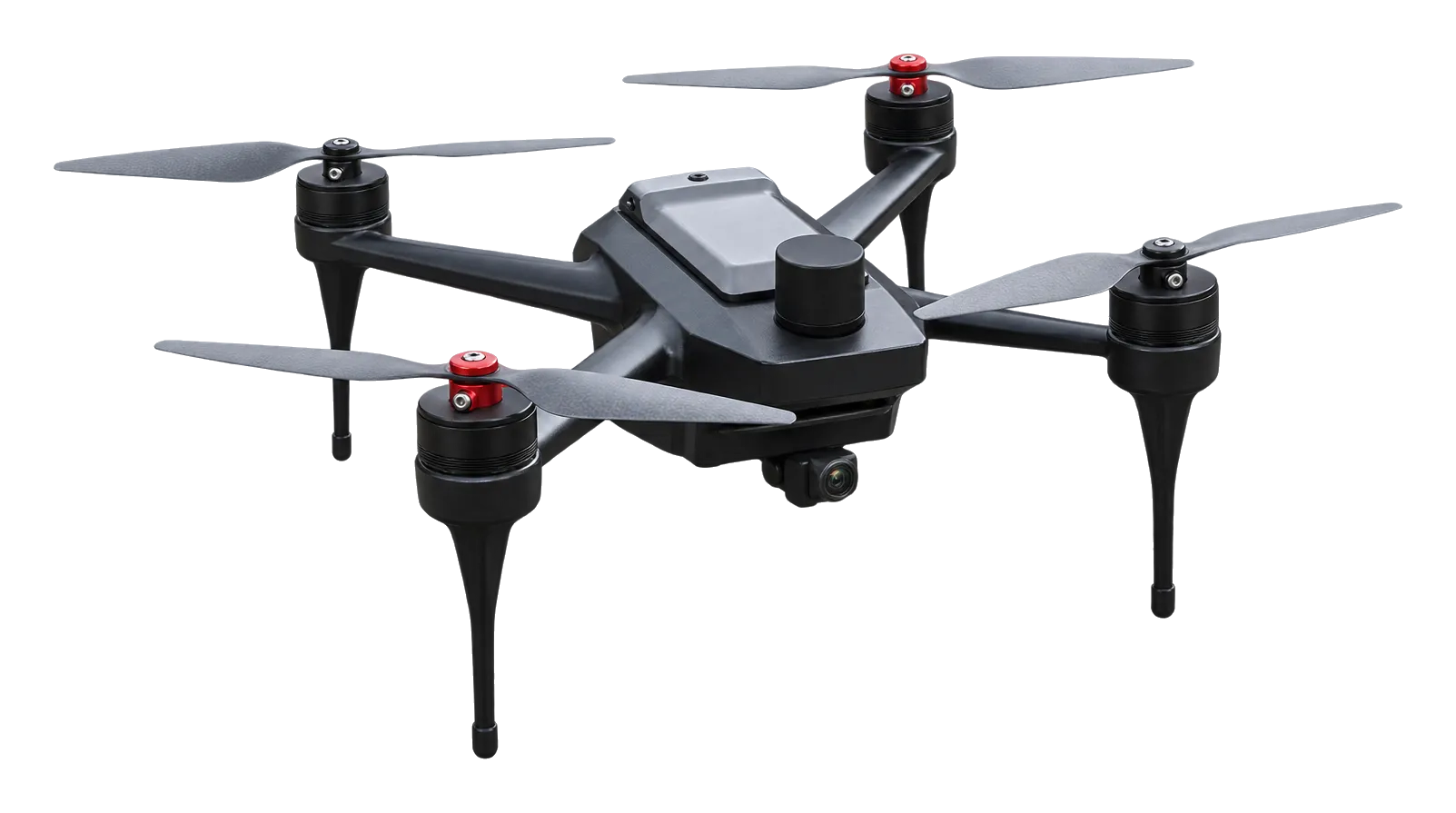
IS-4 Inspection Drone
Routine inspection of power lines, substations, solar plants and industrial sites, by hand or from a dock.
Specs on requestDetails of IS-4 Inspection Drone

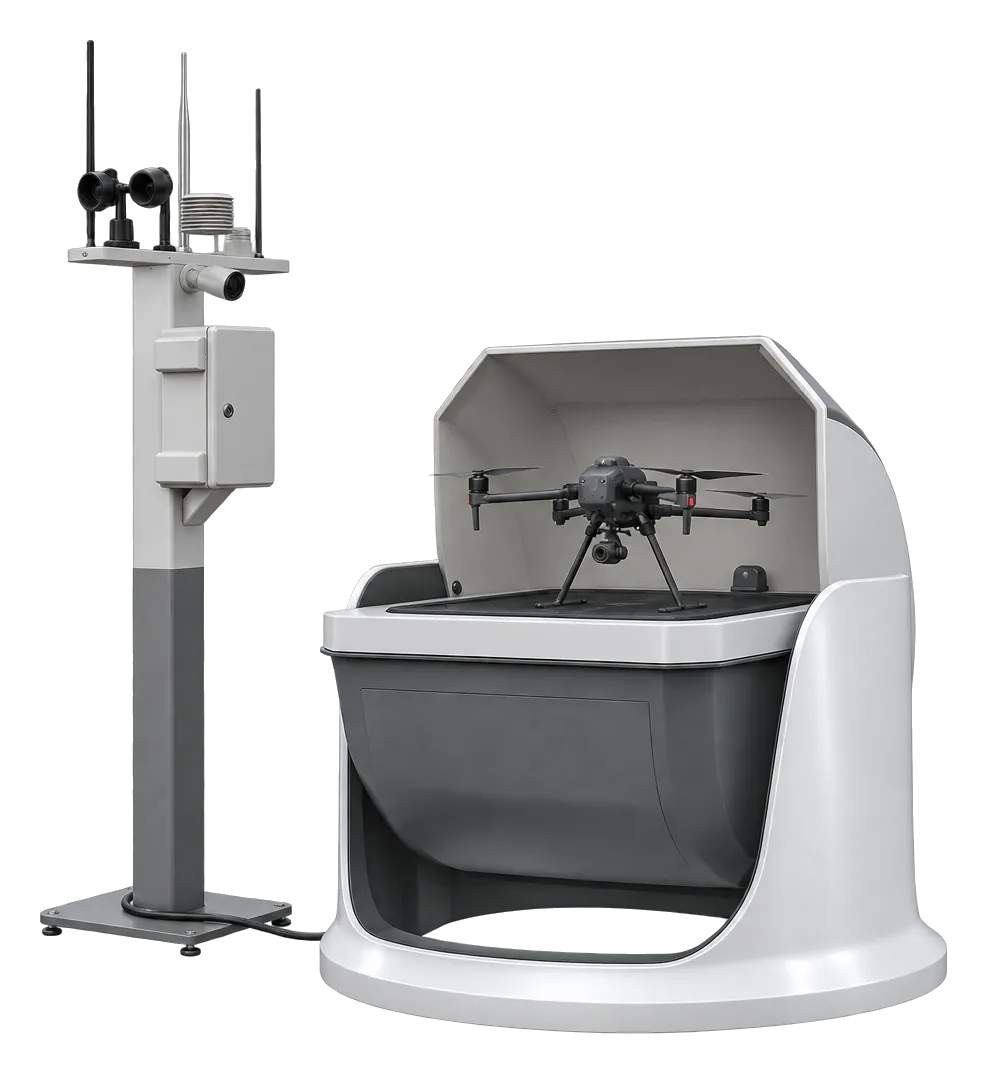
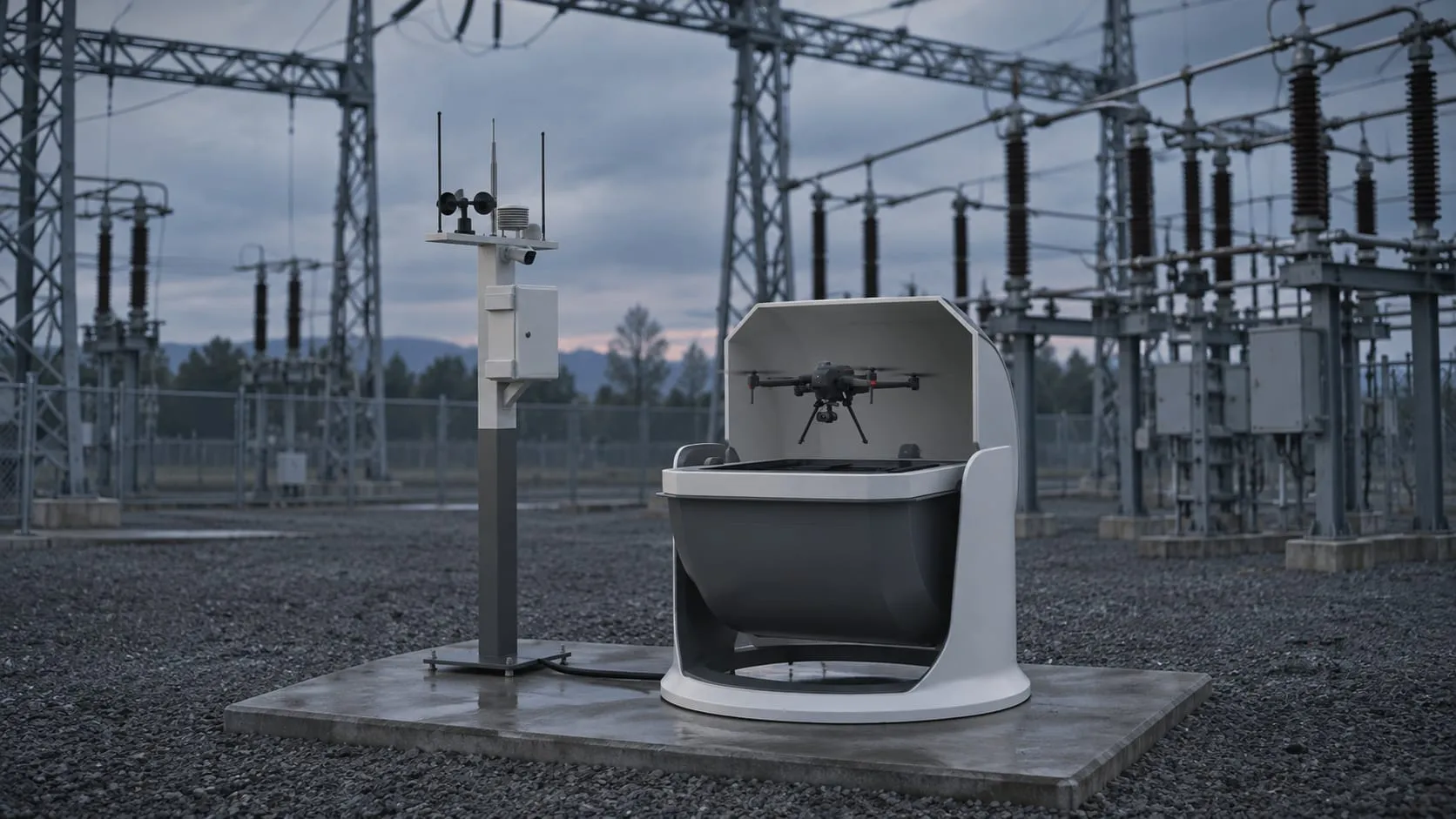
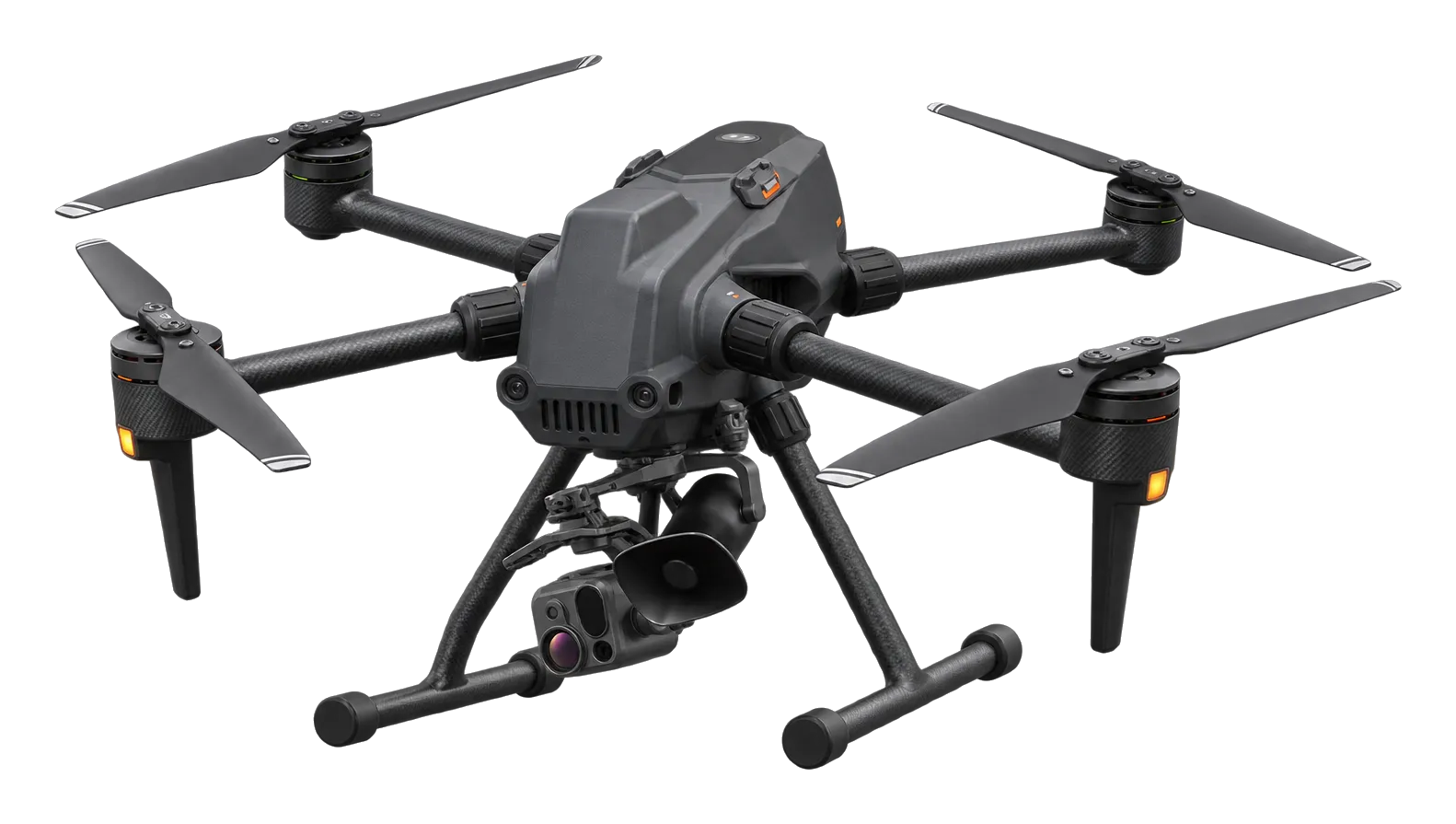
An automatic dock with its own weather station. The IS-4 inspection drone lives on site, launches on schedule, lands back in the dock and charges, so routine checks need no crew visit.
Price range varies with configuration, batteries and order quantity. The final price is on our quotation.
Best for:Substations, solar sites, pipelines and industrial parks that need the same inspection flown again and again.
Specs on request · Reference values
Short answer: the DS-1 is a drone dock for sites that need the same inspection flown again and again. An IS-4 drone stays in the dock, takes off on schedule, lands back by RTK and vision positioning and charges automatically, while the weather station reports wind, rain, temperature, humidity and air pressure.
The dock is installed once at the site, with power and a network connection. Routes and timings are set in the web back-end. At the planned time the cover opens, the IS-4 takes off, flies the route with its gimbal payload, returns and lands in the dock, where it charges for the next flight. The weather station data helps decide whether a flight should go ahead.
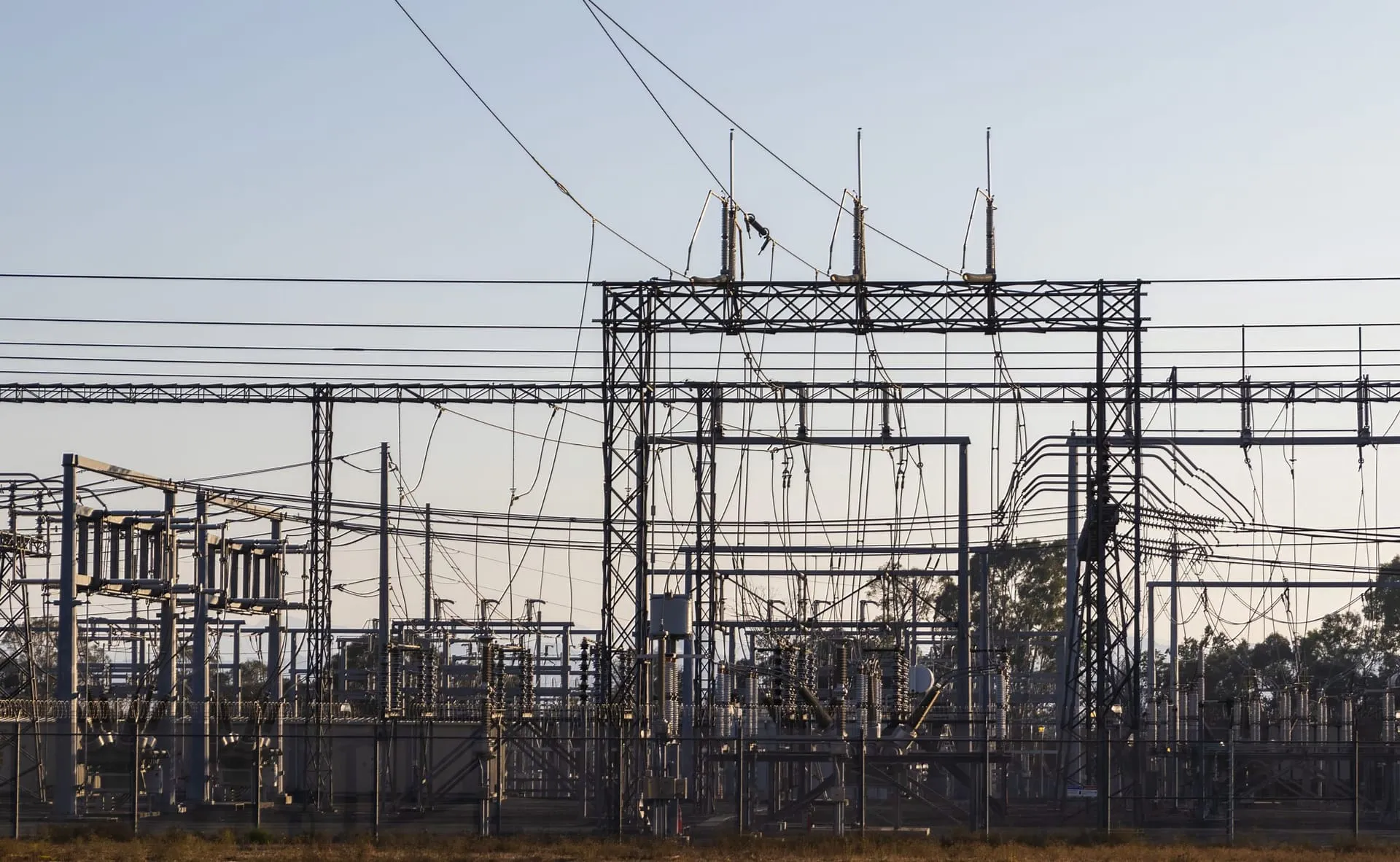
A dock makes sense when the same place is checked often: a substation, a solar plant, a pipeline section, a port or an industrial park. Each visit by a crew costs travel time; a docked drone is already there.
We ask for the site layout, the routes and how often they are flown, the payload you need, the climate, and the rules for remote flights where the dock will stand. The quotation then lists the dock, the aircraft, payloads, spares and the documents for your country.
Parameters
| Dock dimensions (cover closed) | 1460 × 1460 × 1590 mm |
|---|---|
| Weather station dimensions | 550 × 766 × 2300 mm |
| Compatible aircraft | IS-4 |
| Charging | Automatic |
| Landing positioning | RTK + vision (redundant) |
| Video transmission and control distance | 8 km |
| Network access | Ethernet, 10/100/1000 Mbps |
| Operating temperature | −35 °C to 50 °C |
| Max operating altitude | 5000 m |
| Ingress protection | IP54 |
| Max power consumption | 1700 W |
| Weather monitoring | Wind speed, rainfall, temperature, humidity, air pressure |
| Functions | UPS backup power, night landing |
| Control and integration | Web back-end, SDK available |
Reference values from the manufacturer brochure. Final configuration and figures are confirmed in the quotation. Ask for a model recommendation →
Selection
Our engineers check these points with you, so the quotation fits your site rather than a catalogue default.
FAQ
It is built for scheduled, remote launches, landing and charging. Whether you may fly without a pilot on site depends on your local aviation rules, so we plan the setup around the permit you hold or will apply for.
The DS-1 is matched to the IS-4 inspection drone. The IS-4 takes the gimbal payloads listed on its page.
A level place for the dock and weather station, mains power and a network connection. We confirm the details from your site photos and drawings before quoting.
Yes. The dock is controlled through a web back-end and an SDK is available for integration work.
Request a Quote
Tell us the site, the task and the flight rules you work under. An engineer replies with a matched configuration and price.
Inspection drone price in 2026 by tier: compact, mid-range thermal and zoom, long-range and docked systems, with payload, buy-or-hire and US duty notes.
2026 list of drone in a box manufacturers in China: DJI, Autel, JOUAV, GDU, Skysys, HEISHA and VEXAFLY compared by IP rating, temperature, recharge and network.
Drone dock price in 2026: published prices for DJI, Autel, Skydio and HEISHA docks, what the aircraft, software and site work add, and US duty on docks.
Routine inspection of power lines, substations, solar plants and industrial sites, by hand or from a dock.
Security patrols, campuses, small plants and teams that need one aircraft one person can carry and launch.
Long power lines, pipelines, borders and wide sites where flight time matters more than size.
Glass facades, substation insulators and solar arrays where ropes, cradles or lifts are slow or risky.