Buying
Drone Class Marks C1, C2, C3 in 2026: What an Industrial Buyer Should Ask
Drone class marking C1, C2, C3 in 2026: EASA class weights, unmarked industrial drones, STS and PDRA routes, UK marks, and questions to ask a supplier.
- Author
- VEXAFLY Aviation Technology Co., Ltd.
- Scope
- Buying
- Published
- Length
- 4 min read · 6 sources
Short answer: drone class marking C1, C2 and C3 are EU product classes: they say how heavy a drone may be and which open-category subcategory it fits. Most industrial drones above 4 kg cannot be C2, and an unmarked aircraft placed on the EU market in 2026 normally has to fly in the specific category. A class mark is a maker’s declaration about the product; it is not a permit and not a licence for BVLOS.
Which category does your job fall into?
| Job | Category and route | Class needed |
|---|---|---|
| Campus patrol close to people | Open, A2 | C2, under 4 kg |
| Rural substation, far from people | Open, A3 | C3 or C4, under 25 kg, or a legacy drone placed on the market before 2024 |
| Urban facade inspection in a controlled ground area | Specific: STS-01, or PDRA S-01 | C5 for STS-01; no class mark for PDRA with authorisation |
| BVLOS pipeline corridor | Specific: STS-02, PDRA S-02 or SORA | C6 for STS-02 |
| Aircraft above 25 kg | Specific, SORA | Not an open-category class |
C0 to C6 at a glance
| Class | Weight limit | Typical use |
|---|---|---|
| C0 | under 250 g | Toy-weight, A1 |
| C1 | under 900 g | A1, small |
| C2 | under 4 kg | A2 |
| C3 | under 25 kg | A3 |
| C4 | under 25 kg | A3, no automatic functions |
| C5 / C6 | for standard scenarios | STS-01 and STS-02 |
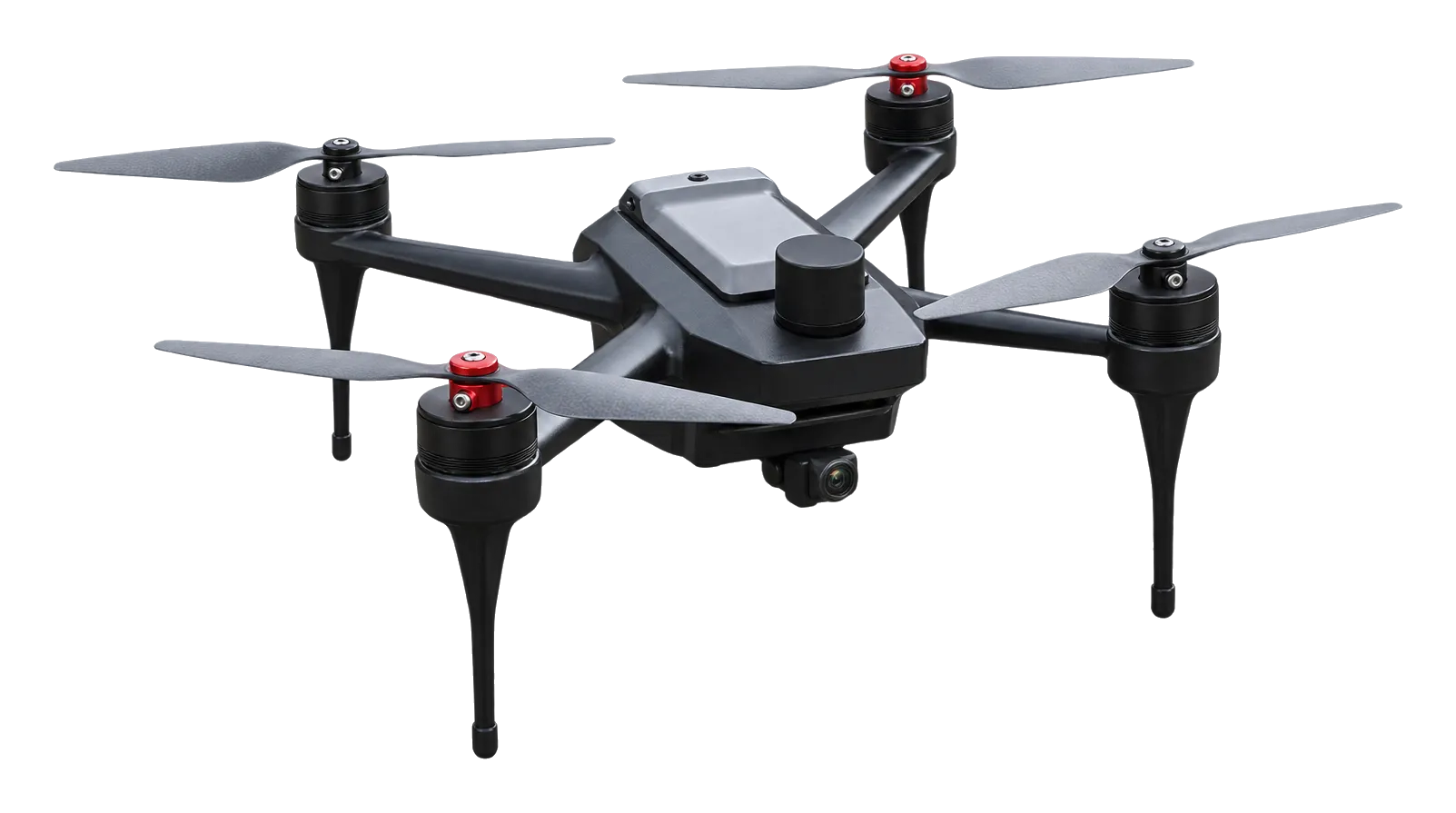
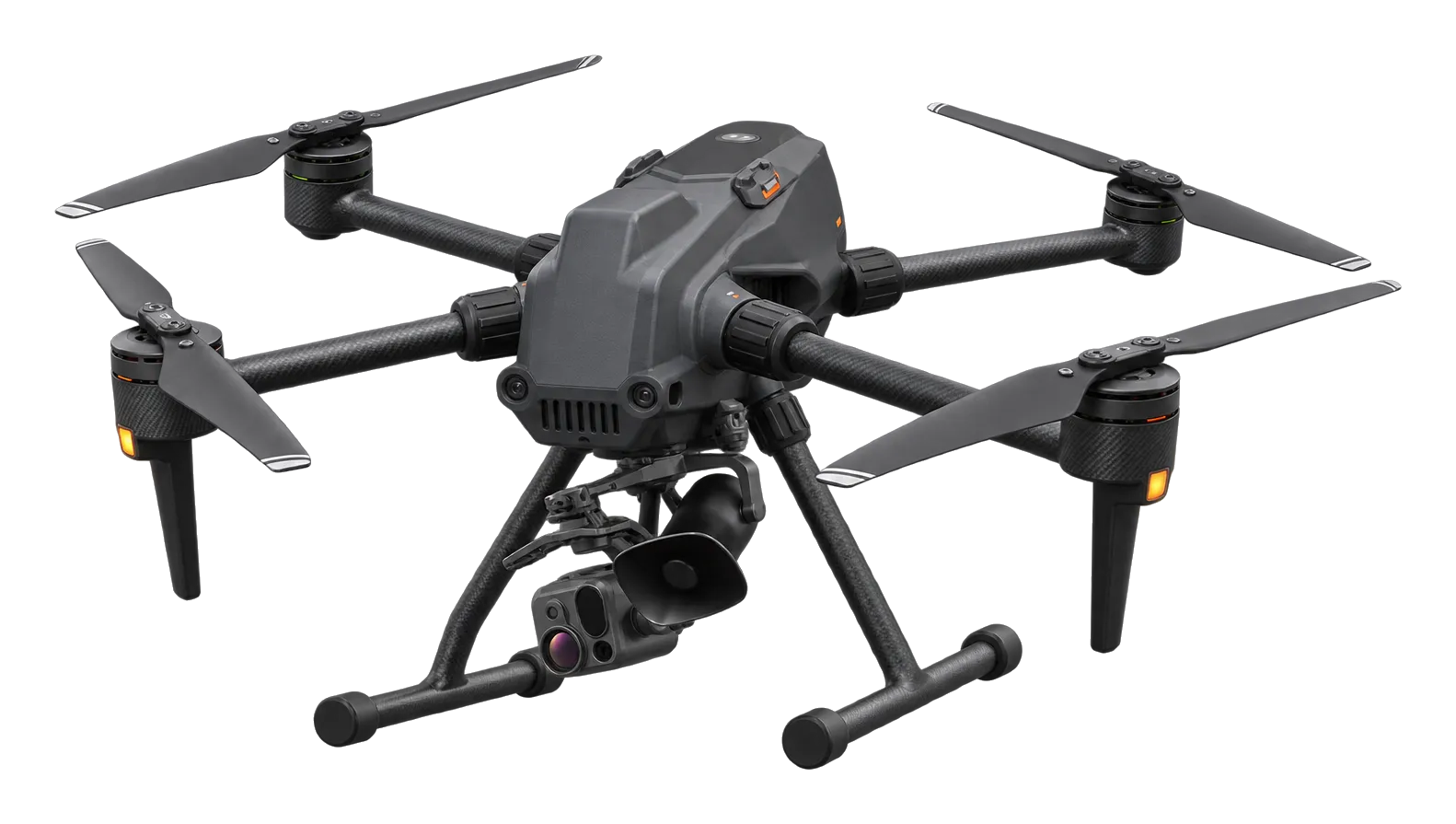
Our IS-4X has a maximum take-off weight of 6 kg and the IS-4 7 kg, so neither fits the C2 limit, and neither could use the A2 subcategory whatever its label. Whether any version carries a class mark is unverified here; ask us for the EU declaration of conformity for the exact version.
Can an unmarked industrial drone still fly?
Yes, but not in the open category unless it is privately built or was placed on the market before 1 January 2024 with a weight under 250 g (A1) or under 25 kg (A3). A new unmarked aircraft is flown in the specific category. There the options are a standard scenario (which requires the C5 or C6 class), a pre-defined risk assessment such as PDRA S-01 or S-02 with an authorisation, or a full SORA assessment.
C5, C6 and the standard scenarios
STS-01 covers VLOS flights in a controlled ground area, even over populated areas, and needs C5. STS-02 covers BVLOS flights with airspace observers and needs C6. In both cases the operator submits a declaration to the authority of registration. PDRA S-01 and S-02 cover the same kinds of operation without C5 or C6, but need an authorisation.
Worked example: a contractor in Ireland
Example with assumed facts, not legal advice. A contractor buys an unmarked 7 kg inspection drone in 2026. It was placed on the market after 1 January 2024, so the open category is closed. STS-01 needs C5, which the aircraft does not have, so the contractor applies to the Irish Aviation Authority for a PDRA S-01 authorisation or runs a SORA. If a C2-marked aircraft under 4 kg had been bought instead, A2 flights close to people could follow the open-category rules and need no operational authorisation. The extra paperwork is the price of the heavier payload.
What should you ask a supplier before you buy?
- Does this exact version carry a C-class label, and which class?
- Can you supply the EU declaration of conformity naming the class and the notified body, where required?
- Is the model on EASA’s approved-drones list?
- Does it include direct remote identification? See Remote ID requirements.
- Which version do you ship to the EU, with or without the mark?
- What documents are enough for an authority to grant an authorisation for BVLOS?
UK buyers: UK marks and the 2027 cut-off
The UK CAA applies its own class marks to new models placed on the UK market from 1 January 2026. EU C-marked aircraft are accepted as UK equivalents until 31 December 2027, after which they become legacy. UK5 and UK6 operations need a CAA operational authorisation. Check the CAA page before you buy; our import guide covers the customs side.
Best for …
- Best for A3 rural sites: a C3-marked aircraft under 25 kg.
- Best for urban controlled-area work: C5 (STS-01) or PDRA S-01.
- Best for BVLOS corridors: C6 (STS-02) or PDRA S-02, see BVLOS drone inspection.
- Best for aircraft over 25 kg: the specific category by SORA.
Next step
Tell us the country, the type of site and whether people may be nearby. We send the documents available for the model you choose and the questions your authority is likely to ask, through the contact form.
Q & A
Common questions
01What do C1, C2 and C3 mean?
They are product classes with weight and design limits defined in EU rules. C1 is under 900 g, C2 under 4 kg and C3 under 25 kg. The class decides which open-category subcategory the drone can fly in.
02Can I fly a drone without a class marking in the EU?
Only in the open category if it was placed on the market before 1 January 2024 and meets the legacy weight limits, or if it is privately built. A new unmarked industrial drone normally needs the specific category.
03Which class does a 6–7 kg inspection drone fall into?
It is heavier than C2 (4 kg). A drone in this weight range could only fit C3 or C4 if the maker built and certified it as such. The class mark is a maker’s declaration, not something the buyer chooses.
04What are C5 and C6 for?
They are classes for standard scenarios in the specific category: STS-01 for visual-line-of-sight flights over a controlled ground area needs C5; STS-02 for beyond-visual-line-of-sight flights with airspace observers needs C6.
05How do I check a class mark is genuine?
Look for the class label on the aircraft, ask for the EU declaration of conformity naming the class, and check EASA’s list of approved drones. Several versions of one model may exist with and without a mark.
06Do UK and EU class marks match after 2027?
UK class marks apply for new models placed on the UK market from 1 January 2026. EU C-marked aircraft can be flown as UK equivalents until 31 December 2027, then become legacy. Check the CAA page for the current position.
07Does a class mark make a drone legal for BVLOS?
No. A class mark is about the product. BVLOS needs an operational authorisation or a declaration for a standard scenario, depending on the category.
References
- 1Open Category: Low Risk: Civil Drones — EASA
- 2Standard Scenario (STS) — EASA
- 3Civil Drones: Specific Category — EASA
- 4Specific Operations Risk Assessment (SORA) — EASA
- 5Class marks — UK Civil Aviation Authority
- 6Drones — Irish Aviation Authority
VEXAFLY Aviation Technology Co., Ltd.. VEXAFLY Aviation Technology Co., Ltd. — industrial drone maker in Nanjing. Our application engineers write and check these pages and configure inspection, cleaning, lift and fire-response systems for project buyers. About VEXAFLY