CW-65Cleaning
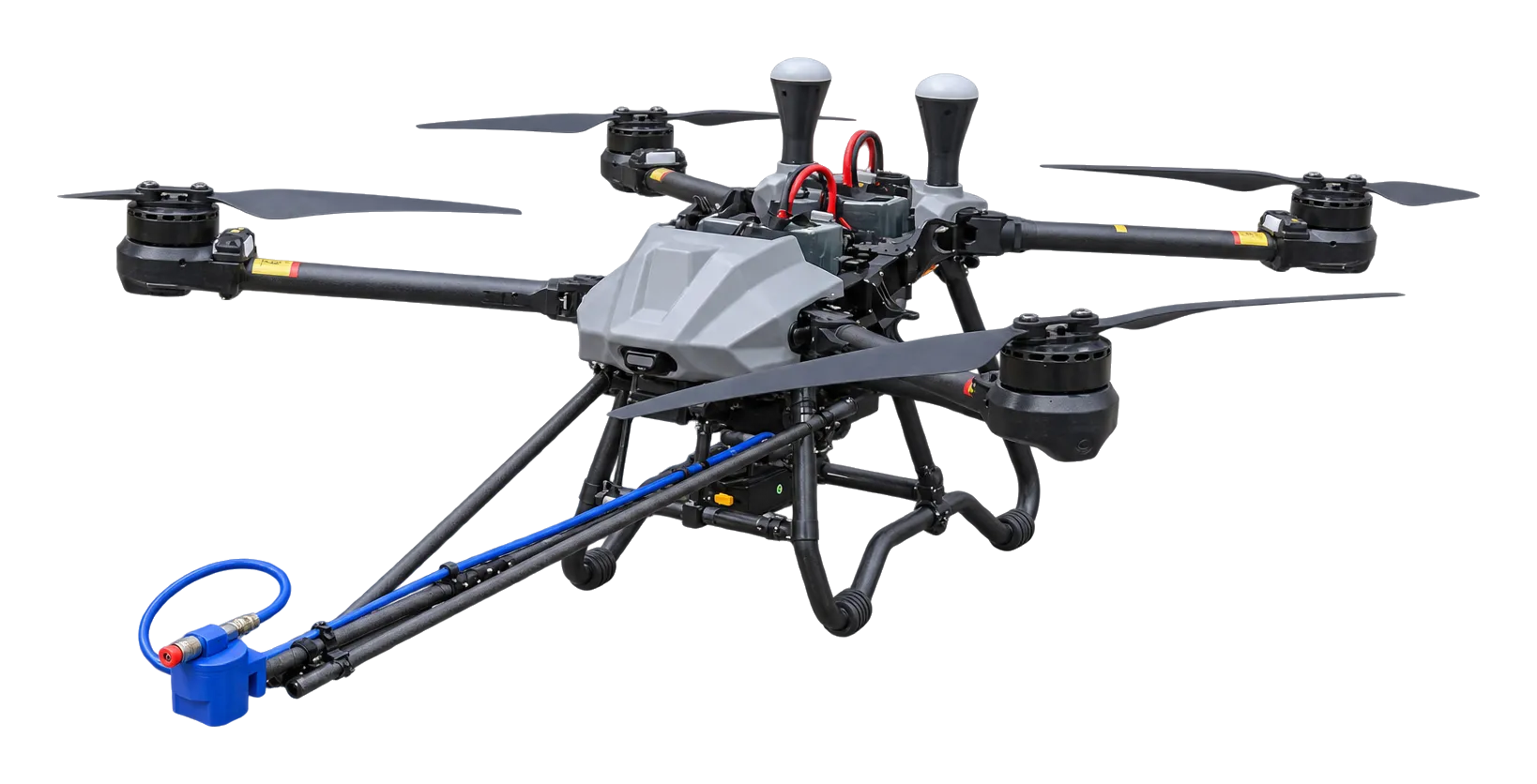
CW-65 High-Rise Cleaning Drone
Glass facades, substation insulators and solar arrays where ropes, cradles or lifts are slow or risky.
Specs on requestDetails of CW-65 High-Rise Cleaning Drone

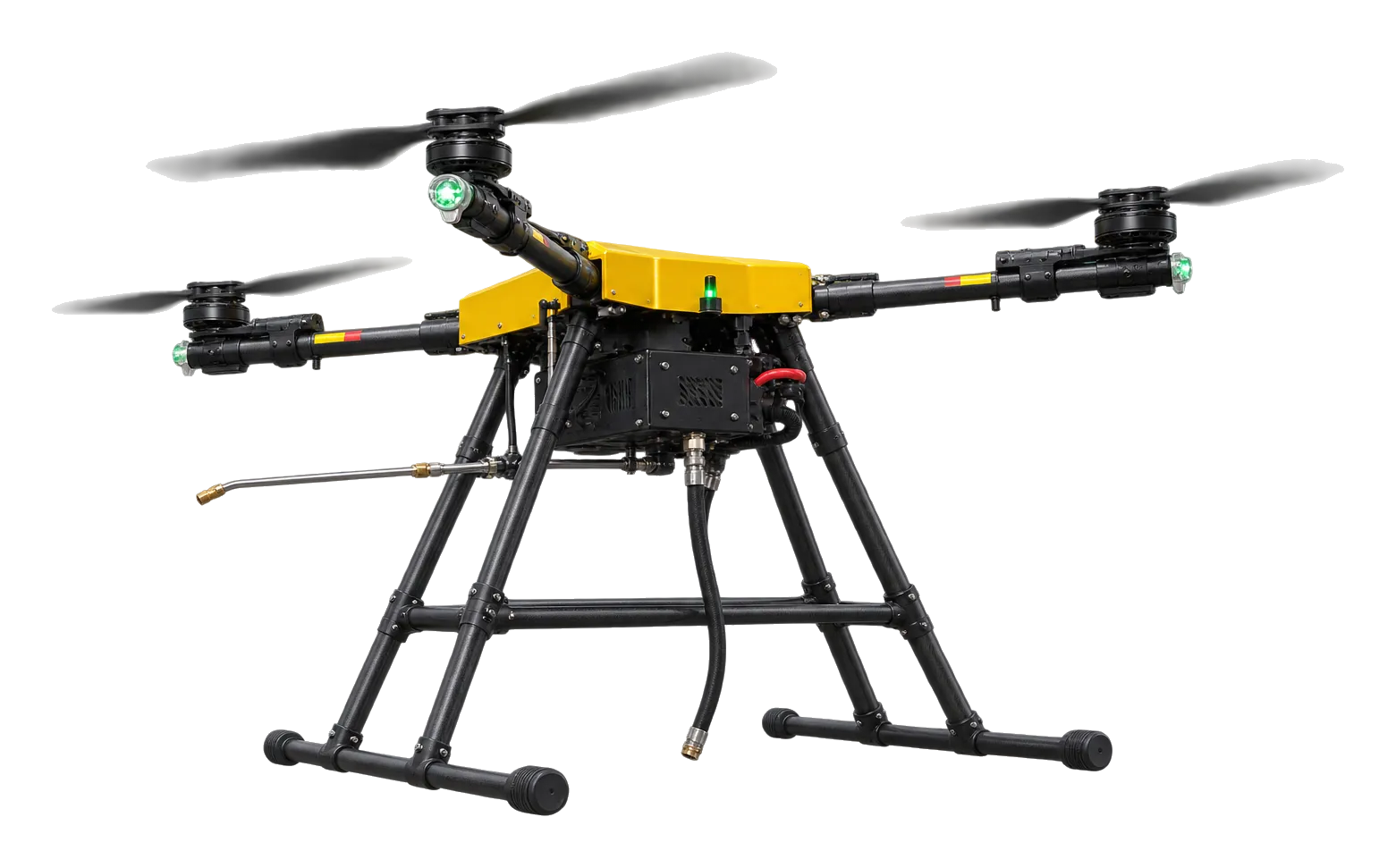
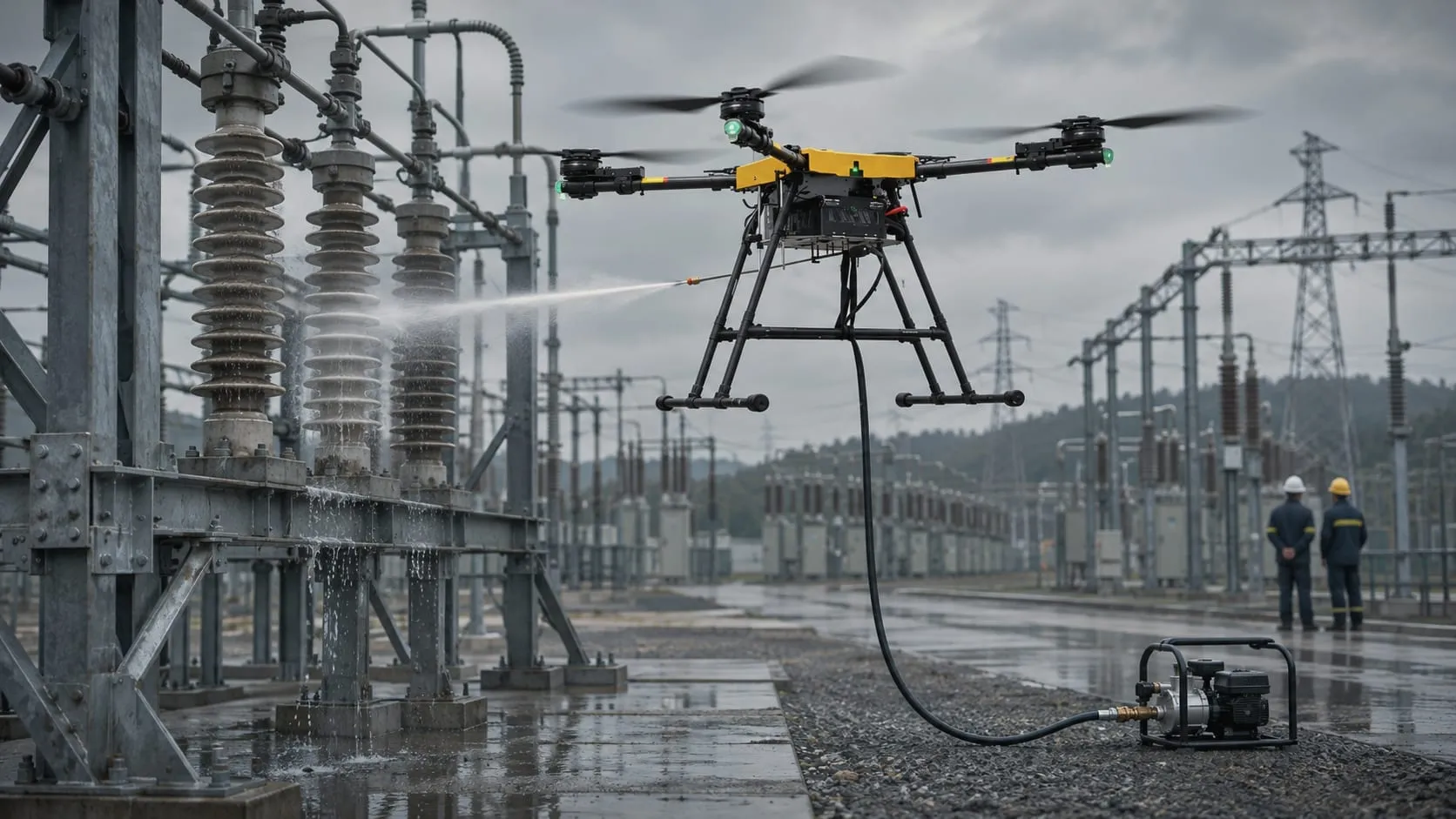
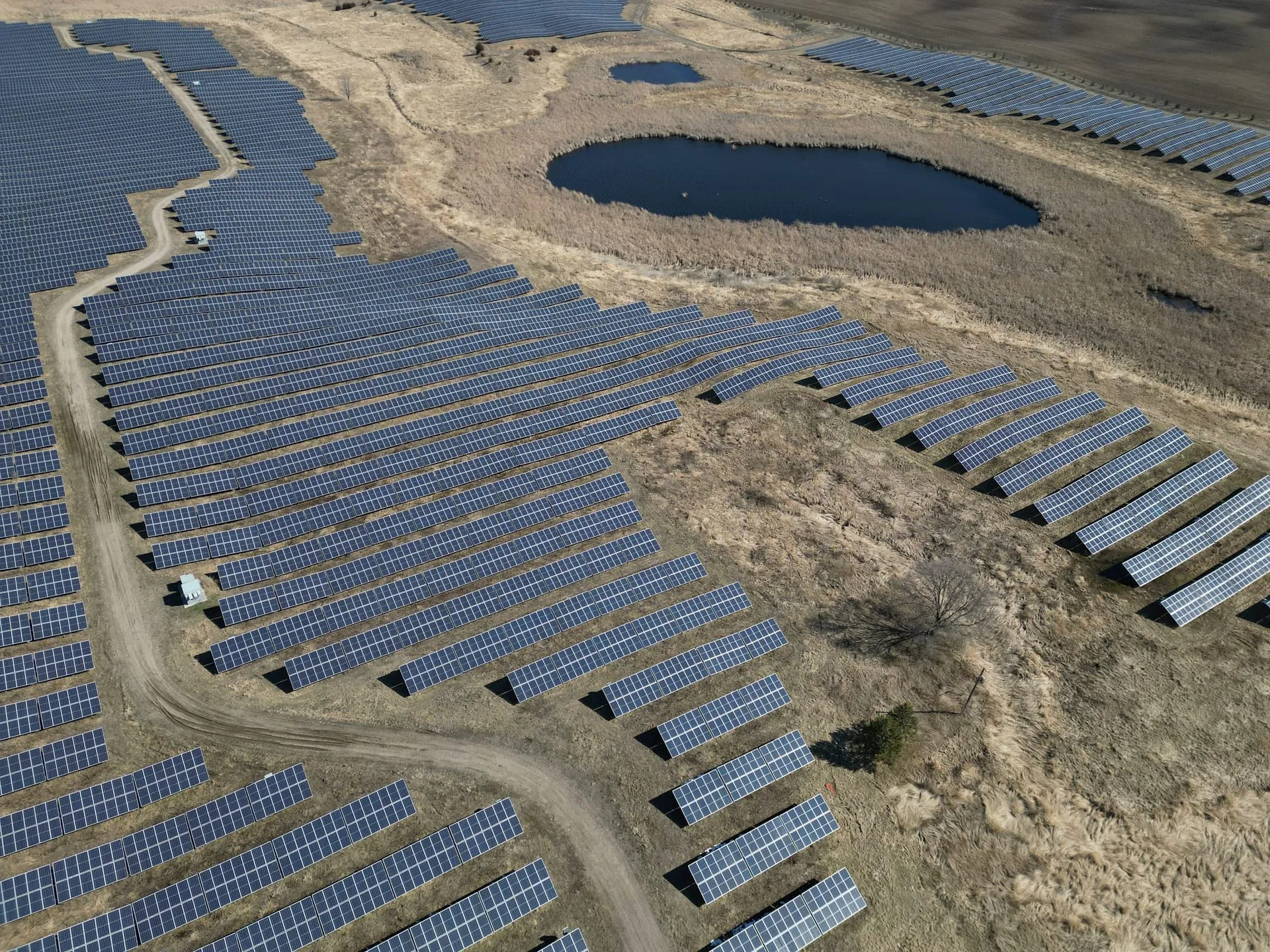
A mid-size cleaning drone in two versions: the CW-30P takes high-pressure water from a ground pump through a hose, the CW-30T carries its own tank. Three spray angles cover windows, roofs and solar panels up to about 50 m.
Price range varies with configuration, batteries and order quantity. The final price is on our quotation.
Supplier facts
Made by VEXAFLY Aviation Technology Co., Ltd., Nanjing, China · founded 2016 · customers in 60+ countries · 12-month standard warranty · ISO, CE · OEM / ODM · Partner programme
Best for:Mid-rise facades, roofs, insulators and solar arrays where the water supply can stay on the ground.
Specs on request · Reference values
Short answer: the CW-30 cleaning drone comes in two versions. The hose-fed CW-30P gets water from a 5.5 kW ground booster pump at up to 32 L/min and sprays it 6–10 m; the CW-30T carries a 30 L tank and sprays 3–5 m at lower pressure for sites without a hose route. Both work at heights up to about 50 m.
| Surface | Lance angle | Why |
|---|---|---|
| Glass facade, cladding | Horizontal | Jet hits the surface square on from a safe stand-off |
| Flat roof, canopy | 90° down | Aircraft hovers above, water falls straight onto the surface |
| Solar panels | 45° down | Follows the tilt of the panel rows |
Example only, an estimate. With the standard battery and 10 minutes of spraying per flight, five flights clean for about 50 minutes, plus battery swaps and moves between drops. On a tether, the limit becomes the crew and the water supply instead. We size batteries, hose length and pump position for your building before quoting.
For towers above 50 m, or when you want a larger aircraft that holds steadier in gusts, compare the CW-65. For other site work see the full cleaning range.
Parameters
| Model | CW-30P | CW-30T |
|---|---|---|
| Water supply | Hose from ground booster pump | On-board tank, 30 L |
| Nozzle water pressure | High pressure from 28 MPa pump | 0.8–1.8 MPa |
| Spray distance | 6–10 m | 3–5 m |
| Spray angles | Horizontal · 45° down · 90° down | Horizontal · 45° down · 90° down |
| Dimensions folded | 830 × 830 × 800 mm | 830 × 830 × 800 mm |
| Dimensions unfolded | 2150 × 2150 × 800 mm | 2150 × 2150 × 800 mm |
| Body weight | 21 kg | 21 kg |
| Max take-off weight | 60 kg | 60 kg |
| Max working height | ≤ 50 m | ≤ 50 m |
| Max climb / descent rate | ≤ 3 m/s | ≤ 3 m/s |
| Flight time | 8–15 min standard · 20–30 min extended · unlimited tethered | 8–15 min |
| Booster pump | 5.5 kW · 28 MPa · 32 L/min · 220 V, 50 kg | — |
| Camera | HD FPV camera | HD FPV camera |
| Wind resistance | Level 6 | Level 6 |
| Frame | Carbon fibre + aviation aluminium | Carbon fibre + aviation aluminium |
Reference values from the manufacturer brochure and data sheets; the 30 L tank volume is from the brochure. The data sheet gives level 6 wind resistance and the catalogue level 7; we plan with the lower figure. Final figures are confirmed in the quotation. Ask for a model recommendation →
Selection
Our engineers check these points with you, so the quotation fits your site rather than a catalogue default.
FAQ
Water is heavy. Keeping it on the ground means the aircraft only lifts the hose and lance, which keeps it small and lets it work as long as power lasts — especially on a tether.
The brochure gives a maximum working height of 50 m. For taller buildings, look at the CW-65, which is rated to 100 m.
Detergent is mixed at the ground unit. Check that the product suits the facade or panel coating and follow the site’s run-off rules.
The CW-30P is fed by hose from a ground pump: high pressure, 6–10 m throw and, on a tether, no time limit. The CW-30T carries 30 L on board at 0.8–1.8 MPa with a 3–5 m throw, for sites where no hose can be run, such as scattered rooftops or panels.
Request a Quote
Tell us the site, the task and the flight rules you work under. An engineer replies with a matched configuration and price.
Cleaning drone water supply in 2026: where the water comes from, what height and hose bore cost in pressure, which pump to pick, with an 80 m worked example.
Cleaning drone specifications in 2026: an RFQ template with CW-30P and CW-65 values, how each figure is measured, IP and wind codes and acceptance tests.
How much water a cleaning drone uses in 2026: litres per m² of glass, per MW of panels and per day, plus the flow × time rule and pure-water limits.
Glass facades, substation insulators and solar arrays where ropes, cradles or lifts are slow or risky.
Substations, solar sites, pipelines and industrial parks that need the same inspection flown again and again.
Routine inspection of power lines, substations, solar plants and industrial sites, by hand or from a dock.
Security patrols, campuses, small plants and teams that need one aircraft one person can carry and launch.