City · Site conditions
Facade Drones in New York 2026: FISP Rules, NYPD Permits and Which Aircraft Fits
Facade drones in New York in 2026: what a drone can and cannot do in a FISP inspection, the NYPD permit steps and when a cleaning drone is realistic.
- Author
- VEXAFLY Aviation Technology Co., Ltd.
- Scope
- City · Site conditions
- Published
- Length
- 5 min read · 5 sources
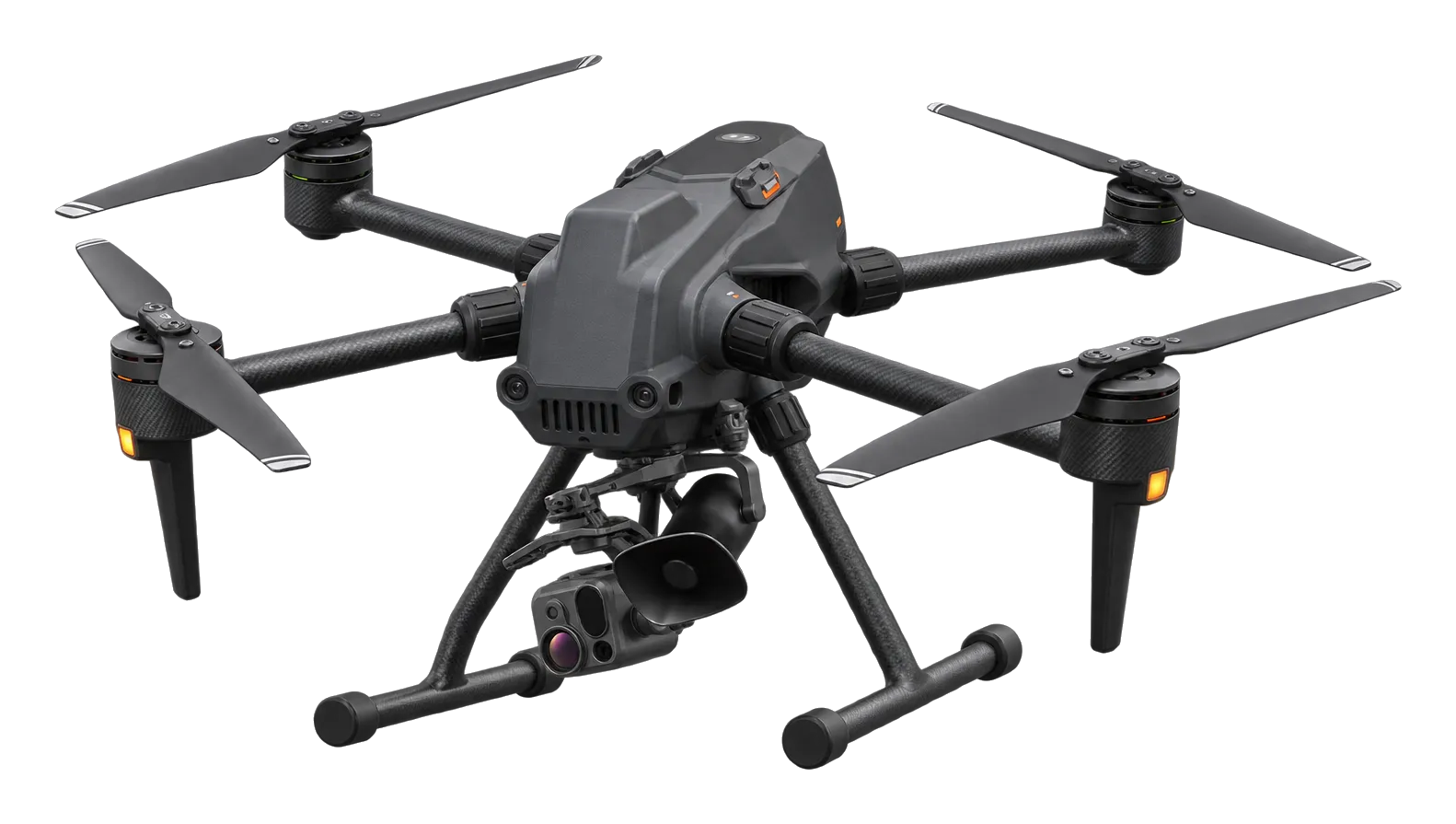
Short answer: a facade drone in New York is an inspection tool first. A camera drone under 55 lb can survey the walls of a tower for the five-year FISP cycle and hand the engineer images, video and thermal data, but the close-up, hands-on checks still happen. Washing a facade by drone is possible only with an FAA exemption and an NYPD permit, so for most owners inspection comes first and cleaning is a second project.
New York site conditions at a glance
| Condition | Figure | What it means for equipment |
|---|---|---|
| FISP cycle | Buildings higher than 6 storeys: exterior walls and appurtenances inspected every 5 years; reports filed through DOB NOW: Safety (NYC DOB) | A survey drone has repeat work on a fixed cycle |
| Hands-on rule | Close-up inspection at intervals of 60 ft (about 18 m) or less along the public right-of-way; the DOB states that drones, high-resolution photos and non-destructive testing do not remove the close-up requirement (DOB presentation) | The drone adds data; the inspector still works at the wall |
| NYPD permit | Since July 2023 a permit is required for drone take-offs and landings anywhere in the city, reviewed by the NYPD with DOT; aircraft must be FAA-registered and FAA-compliant (NYPD) | Allow lead time for every take-off and landing point |
| Notice duty | Permit holders notify each community board where images are captured and post notices within 100 ft (about 30 m) of the take-off and landing site (NYPD) | Add a notice step to every job plan |
| DOB position | A DOB report of 24 November 2021 said drones could add visual, video and thermal data to hands-on exams (DOB) | Expect drone data to supplement the exam, not replace it |
Facts checked on 26 November 2026.
Can a drone replace a Local Law 11 inspection?
No. FISP, which many owners still call Local Law 11, rests on a qualified exterior wall inspector (QEWI) examining the facade close up; the DOB’s own presentation traces the programme to Local Law 10 of 1980. What a drone changes is the planning and the evidence:
| FISP task | What the drone does | What stays manual |
|---|---|---|
| Survey the whole elevation for cracks, spalls and loose cladding | Full-height photo and video passes with zoom | Close-up checks and hands-on testing at the drop positions |
| Find damp or delaminated areas | A thermal pass with an infrared payload | Opening up and testing the suspect areas |
| Choose where the close-up checks go | A defect map ranks the worst-looking bays | The QEWI sets the final locations |
| Record the condition | Dated images attached to the report | The QEWI signs and files the report |
Which permits do you need to fly a facade job in New York?
Work through these steps in order; the NYPD step is the one out-of-town teams miss.
- FAA first. Register the aircraft, meet Remote ID and fly an aircraft under 55 lb under Part 107. Check controlled airspace and authorisation (for example through LAANC) before any flight.
- NYPD unmanned aircraft permit for each take-off and landing location, reviewed by the NYPD with DOT.
- Community board notice for each board covering the area where images are captured.
- Posted notices within 100 ft of the take-off and landing site.
- Street-level plan: a spotter, a closed area under the flight path and a landing spot away from the pavement.
- Agree the deliverable with the QEWI before the flight: which elevations, which images, which file format.
Read the current NYPD permit page before every project.
Inspection drone or cleaning drone for New York towers?
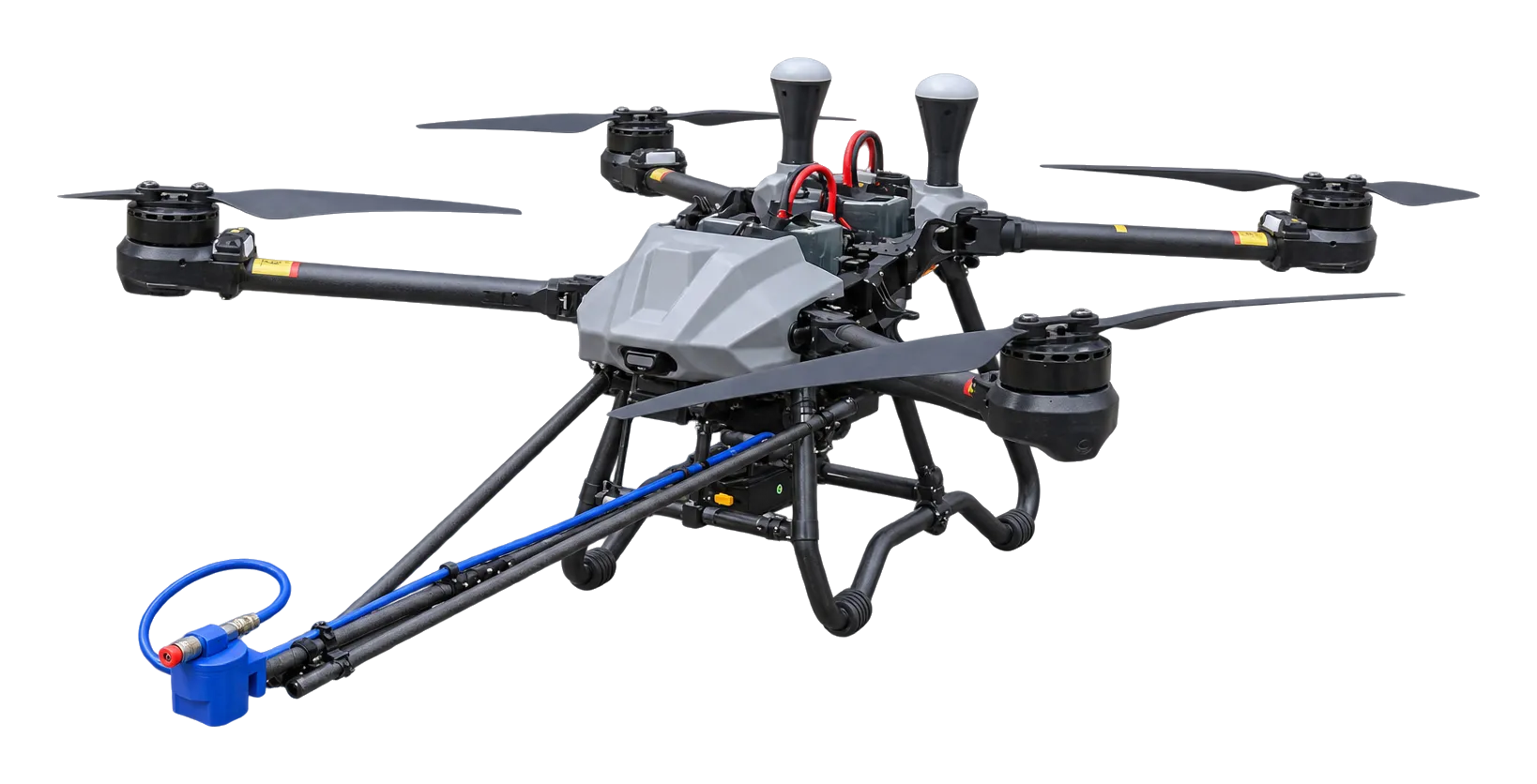
| Question | Inspection quadcopter (IS-4) | Cleaning drone (CW-65) |
|---|---|---|
| Take-off weight | 7 kg (15.4 lb) | 111 kg (245 lb) |
| FAA route | Part 107 | Section 44807 exemption |
| Height | Part 107: within 400 ft of a structure, up to 400 ft above its top | Rated to 100 m (about 328 ft), hose-fed or tethered |
| Weather | Wind level 7 (32–38 mph on the Beaufort scale); IP45, so no flights in rain | Wind level 7 in the brochure; IP67 airframe |
| Street impact | One pilot, a spotter, a small zone | Ground pump (5.5 or 13 kW), hose, water source, closed area below |
| Role in FISP | Data for the report | Not part of the FISP report |
Best for owners of buildings above six storeys facing the five-year cycle: an inspection quadcopter with a zoom and thermal gimbal, 7 kg and up to 63 min per flight in the brochure test.
Example: how many close-up drops does a frontage need?
Example (illustrative; the QEWI decides real locations). A building has 240 ft (about 73 m) of facade along the public right-of-way. With checks at intervals of 60 ft or less, 240 ÷ 60 = 4 intervals, so at least 5 drop positions including both ends. A drone survey before the drops shows which of those positions sit on the worst-looking bays and whether extra drops are worth adding. The drone does not reduce the count; it improves where the checks go.
What do wind and street conditions change?
Wind between towers speeds up at corners and over roofs, so the IS-4’s level 7 rating is a ceiling, not a working figure. IP45 means rain stops flights. For a CW-65 the hose adds a second hazard at street level: keep the area below closed, and plan for the 5.5 or 13 kW ground pump and a water source. Rooftop take-off points need the owner’s agreement and a site notice in the NYPD format. Compare other cleaning methods in drone vs rope access and the window cleaning safety guide.
What would we recommend for a New York tower?
| Job | Aircraft | Why | Hurdle |
|---|---|---|---|
| FISP visual and thermal survey | IS-4 with zoom and thermal payload | RTK positioning, up to 3 kg payload, 63 min in the brochure | Part 107; a thermal payload sits in the 100 % duty group |
| Mapping the worst bays before the close-up drops | IS-4 | Repeatable passes along each elevation | Part 107; NYPD permit |
| Facade washing in a quiet side street or plaza | CW-65, tethered, up to 100 m | Water stays on the ground; no battery limit when tethered | Exemption, NYPD permit, closed area below |
Before ordering any foreign-built drone, check the FCC Covered List status of the model, the Section 232 duty and FAA approval; read industrial drones in the United States and the 55-pound rules. For method choices see the facade inspection drone guide.
Next step
Send your facade length, height and the date of your next FISP filing to your inspector first; the inspector decides what imagery is useful. Then compare aircraft on the inspection drone range.
Q & A
Common questions
01Can I use a drone in NYC?
Yes, with permission at several levels. The aircraft must meet FAA rules, and the NYPD issues permits for take-offs and landings anywhere in the city. Check controlled airspace before flying and the NYPD page before every project.
02Can a drone replace a Local Law 11 inspection?
No. The DOB states that drones, high-resolution photos and non-destructive testing do not remove the requirement for close-up inspections. A drone gives the inspector images, video and thermal data to plan and document the work.
03What permits do I need to fly a drone for a facade job in New York?
FAA compliance for the aircraft, an NYPD unmanned aircraft permit for each take-off and landing location, notice to the community board and notices posted within 100 ft of the site. Plan the lead time into the project schedule.
04Can drones clean high-rise windows in Manhattan?
A cleaning drone such as the CW-65 is rated to 100 m, but at 111 kg it needs an FAA exemption, plus the NYPD permit, a water supply and a closed area below. For most owners rope access or a building maintenance unit is easier to approve today.
05How far apart must hands-on FISP checks be?
The DOB presentation sets close-up inspection at intervals of 60 ft or less along the public right-of-way. The qualified exterior wall inspector chooses the exact locations.
06Can I import a foreign-built inspection drone for New York work?
Check three things first: the model’s FCC Covered List status, the Section 232 duty (a thermal payload puts a drone in the 100 % group) and FAA approval. Confirm with your customs broker; see our guide to importing industrial drones from China.
References
- 1Facade Inspection & Safety Program (FISP) Filing Instructions — NYC Department of Buildings
- 2Unmanned Aircraft (UA) Permits — New York City Police Department
- 3DOB Releases Report on Unmanned Aircraft Systems — NYC Department of Buildings
- 4Facade Inspection Safety Program (presentation) — NYC Department of Buildings
- 5Beaufort Wind Scale — National Weather Service
VEXAFLY Aviation Technology Co., Ltd.. VEXAFLY Aviation Technology Co., Ltd. — industrial drone maker in Nanjing. Our application engineers write and check these pages and configure inspection, cleaning, lift and fire-response systems for project buyers. About VEXAFLY