Inspection
How to Start a Drone Inspection Business in 2026: Pick the Niche, Then the Kit
Starting a drone inspection business in 2026: niche first, then the report clients pay for, the aircraft and payload, US pilot paperwork and import checks.
- Author
- VEXAFLY Aviation Technology Co., Ltd.
- Scope
- Inspection
- Published
- Length
- 4 min read · 6 sources
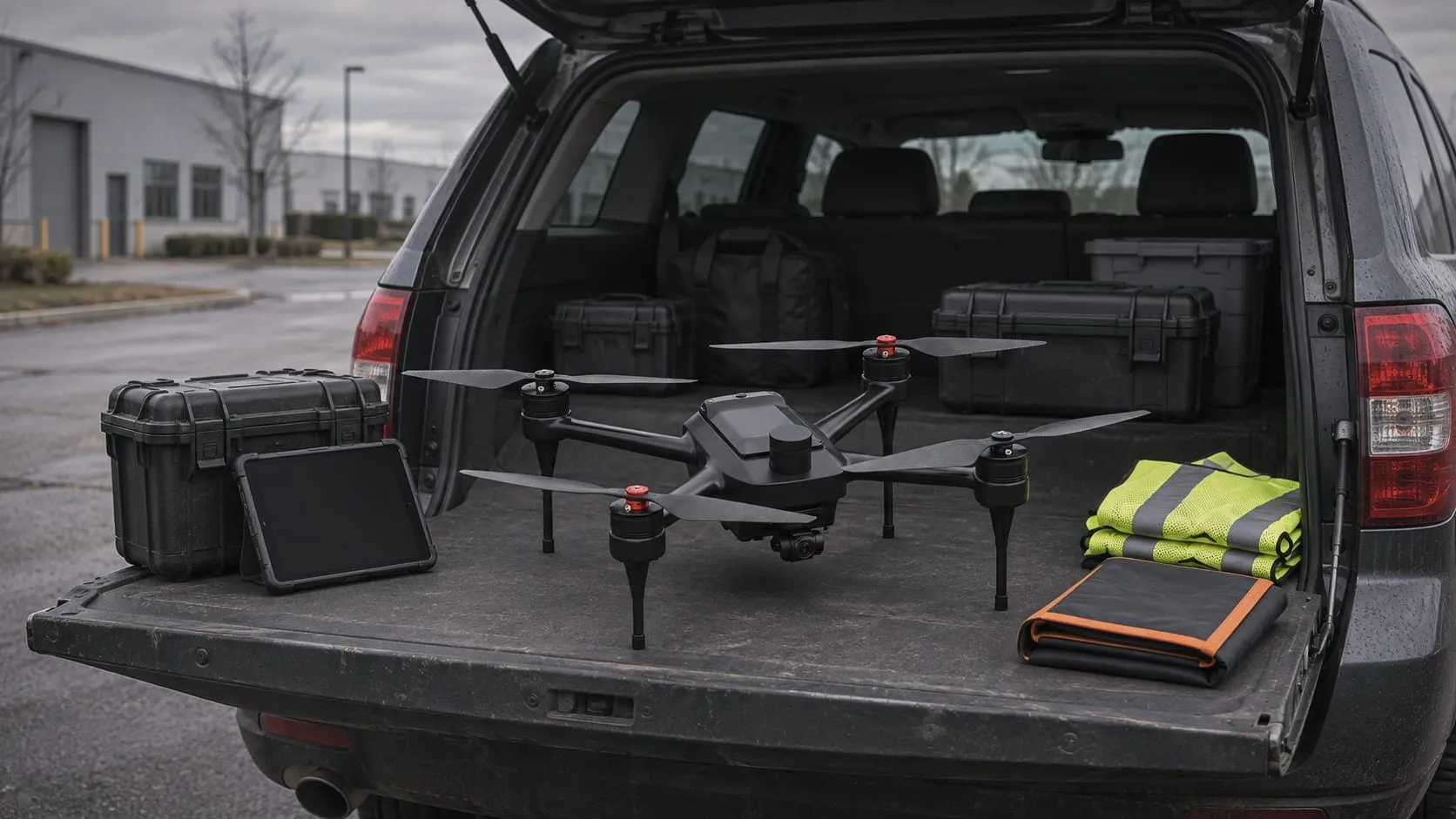
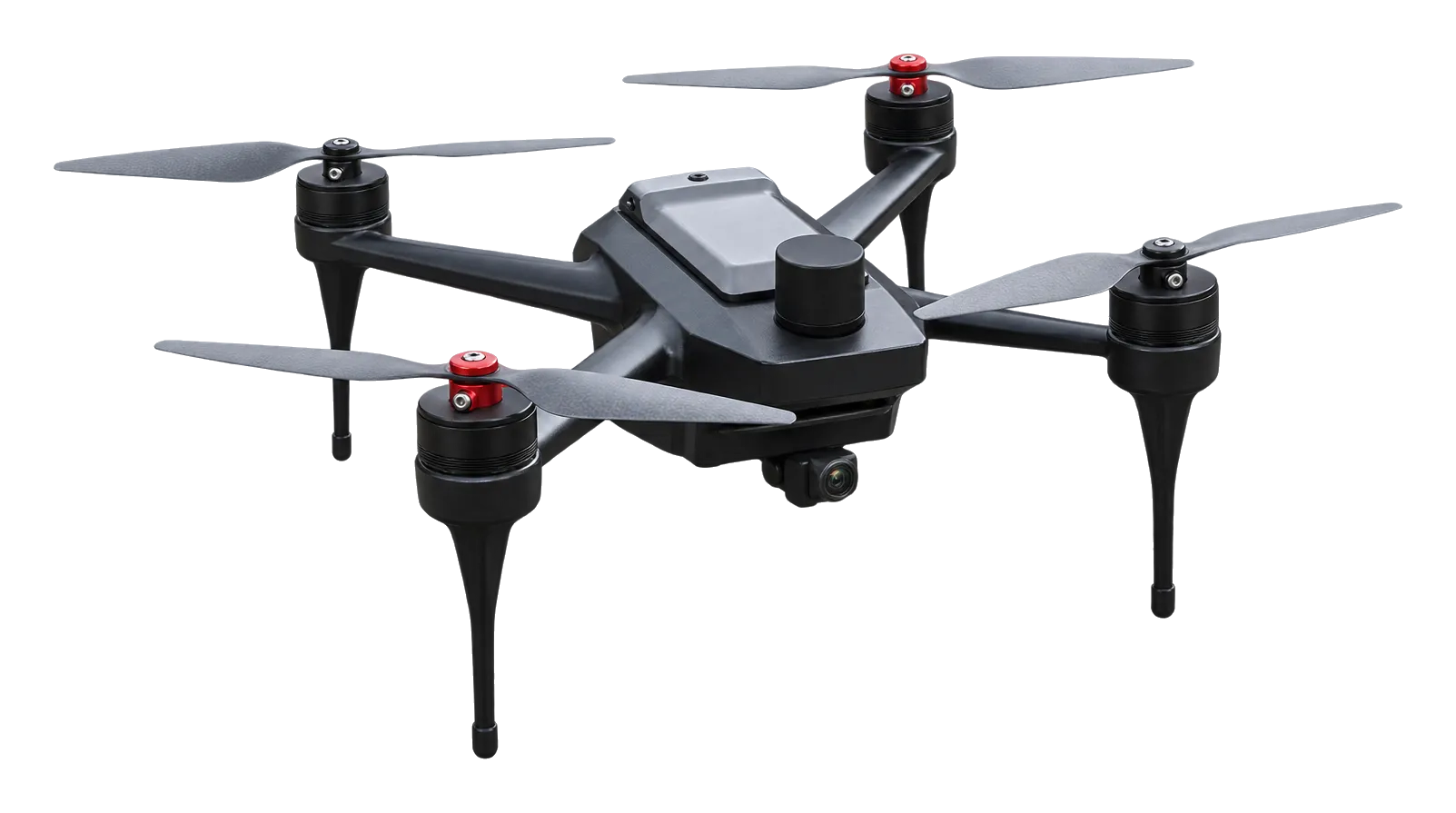
Short answer: to start a drone inspection business in 2026, choose one niche first, then the deliverable your client buys, then the aircraft that produces it, and only then the paperwork. Roofs and small solar plants suit a compact aircraft such as the IS-4X; substations, towers and plants suit a zoom aircraft such as the IS-4; long lines suit the IS-9.
Which niche should you pick?
Every niche asks the client for a different report and you the buyer for a different weather rating:
| Niche | What the client buys | Payload | Aircraft | Weather limit | Training clients ask for |
|---|---|---|---|---|---|
| Roofs and facades | Defect photos, thermal leaks | Zoom, thermal | IS-4X | IP67 | Thermography |
| Solar farms | Hot-spot and string report | Thermal | IS-4X or IS-4 | IP67 / IP45 | Thermography |
| Substations | Hot joints, insulator condition | Zoom plus thermal | IS-4 | IP45, no heavy rain | Electrical safety |
| Telecom towers | Close-up photos of mounts | Zoom | IS-4 | IP45 | Climbing safety awareness |
| Pipelines and long lines | Corridor photos, leak and clearance checks | Zoom, thermal | IS-9 | IP67 | Beyond-sight approval |
| Plant and tanks | Surface condition, hot spots | Zoom, thermal | IS-4 | IP45 | Site induction, permits |
Read our guides on solar farm, substation, cell tower and pipeline inspection before you choose.
What do clients actually pay for?
Not flight time. They pay for a document: defects located on a map or drawing, a photo of each defect, a severity rating and a recommended action. For thermal work, add the temperature difference against a normal component and the load at the time of flight. Build the report template before you buy the aircraft; it decides which payload you need and how much time you spend at the desk after each flight.
Which drone and payload for which niche?
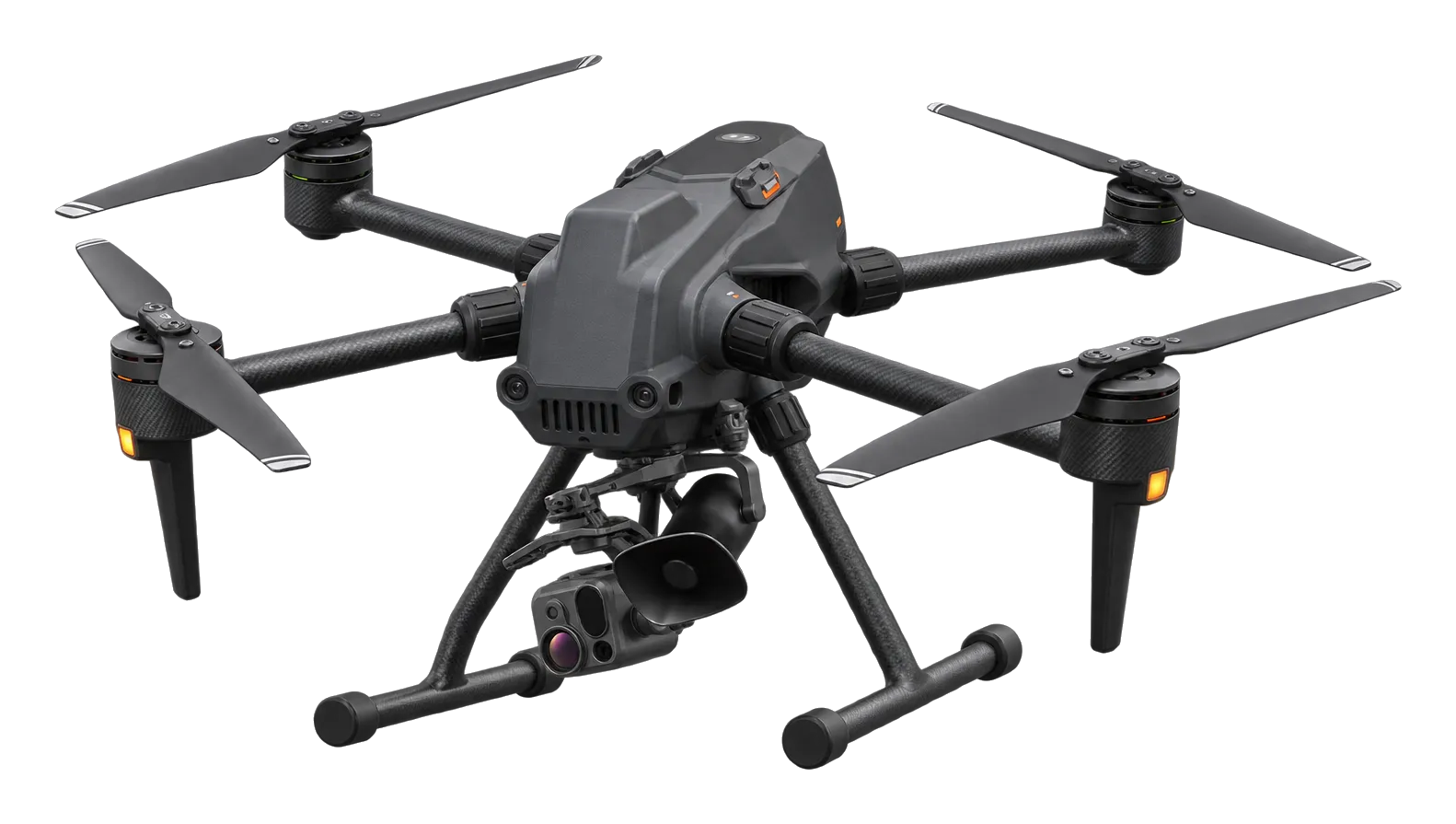
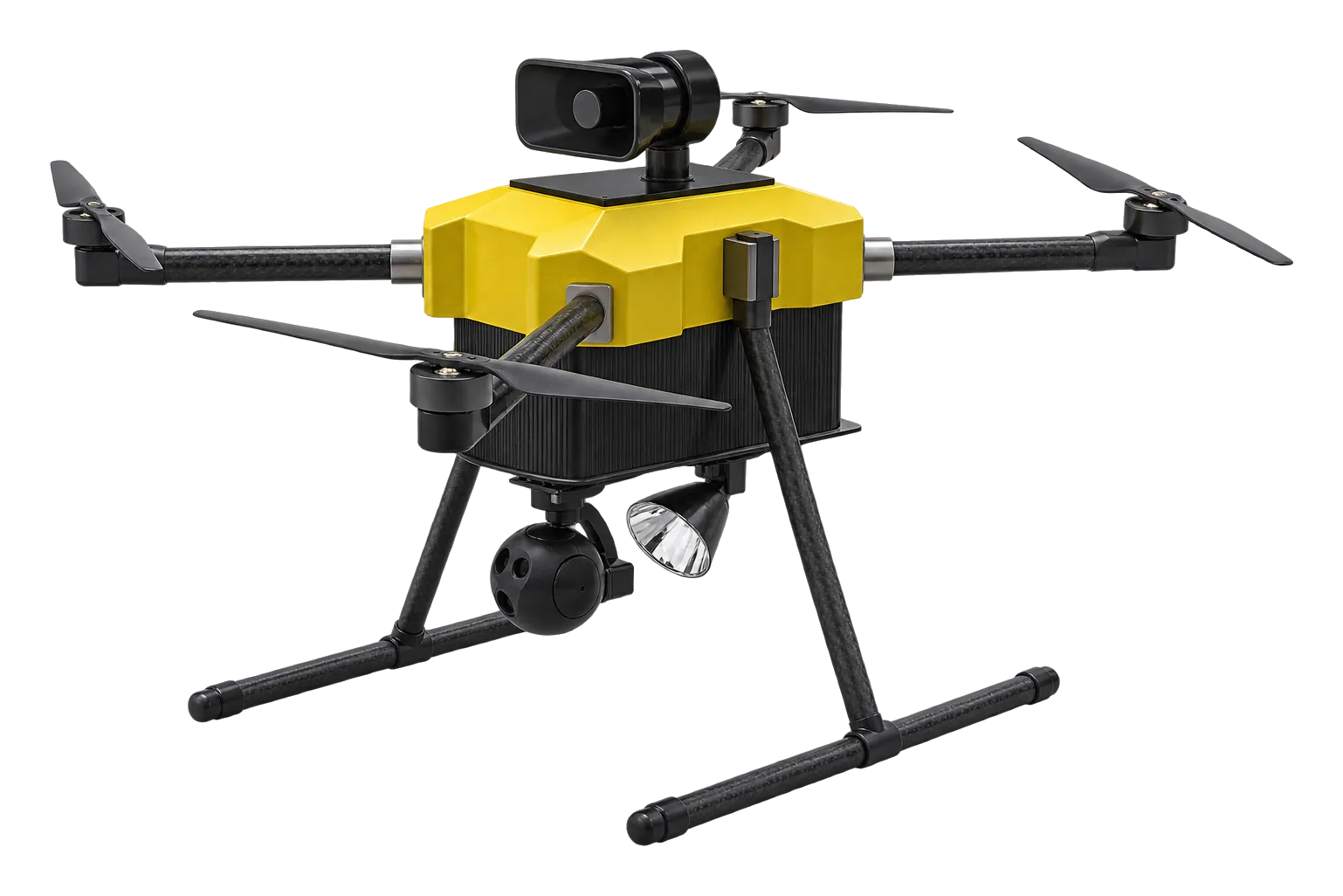
Zoom finds cracked insulators, loose pins and corrosion. Thermal finds hot joints and failing solar cells. A mapping camera makes orthomosaics. The IS-4X carries up to 2.5 kg on a quick-release mount, the IS-4 carries 3 kg with a four-optical gimbal (48 MP, 18× zoom plus infrared), and the IS-9 carries 3–5 kg for up to 120 minutes. See inspection drone payload selection for the sensor choice in detail.
How does the kit grow as the business grows?
| Stage | Trigger | Aircraft | Reference price (FOB China) |
|---|---|---|---|
| First contracts | Roofs, small solar, campuses | IS-4X plus a thermal or zoom payload | US$4,000–6,700 |
| Regular contracts | Towers, substations, plants | IS-4 with four-optical gimbal | US$9,100–11,400 |
| Corridor work | A pipeline or line client appears | IS-9 | US$42,800–50,000 |
Prices are reference ranges that vary with configuration and quantity; final prices are on quotation.
What paperwork do you need in the US?
- Remote Pilot Certificate: at least 16 years old, read and speak English, pass the knowledge test at an approved centre, then complete recurrent online training every 24 calendar months.
- Registration: $5 per drone, valid three years.
- Waivers: operations outside Part 107 limits need an FAA waiver; check the night and over-people rules before you promise a client a flight.
- Insurance: ask a specialist broker. We give no premium figures.
- Client credentials: roof clients like to see Part 107 and a thermography course; utility clients ask for site safety training.
What weather and site limits cost you jobs?
The IS-4 is IP45 and is not suited to heavy rain; the IS-4X and IS-9 are IP67. A business in a rainy region should start with an IP67 airframe. Wind levels are 6 for the IS-4X and IS-9 and 7 for the IS-4. See drone IP ratings for what the numbers mean.
Example: first-year sorties for a two-person team
Example only, with assumed figures. A two-person team chooses solar plus roofs. Assume 3 solar jobs a month, each needing 4 sorties, and 6 roof jobs a month, each needing 1 sortie. Over 12 months: 36 solar jobs × 4 sorties = 144, plus 72 roof sorties = 216 sorties a year, about four a week. One aircraft covers that; a second airframe is for redundancy, not capacity.
If a pipeline client then appears with 40 km a month, the IS-9’s 120-minute endurance and 65 km maximum range change the job from three days of short hops to one or two flights a day. That is the moment to buy it, not before.
Should you import kit from China in 2026?
Before ordering a foreign-built drone for US work, check its FCC Covered List status, the Section 232 duty and FAA approval for aircraft of 55 lb or more. A docking station and a drone with a thermal camera are in the 100 % duty group, and we cannot say that any of our models holds FCC authorisation. Confirm with your customs broker and the FAA; our guides import industrial drones from China and drone FCC certification explain the checks. Partners who resell or integrate can read the partner programme; see also inspection drone price.
Best picks
- Best for roofs, small solar and campuses: IS-4X, 2 kg frame, 60 min, IP67, from US$4,000.
- Best for substations, towers and plant close-ups: IS-4, 18× zoom plus infrared, 63 min.
- Best for pipelines and long lines: IS-9, 120 min, 65 km maximum range.
- Best for rainy regions: IP67 airframes (IS-4X, IS-9) rather than the IP45 IS-4.
Next step
Tell us your niche, the clients you want and the usual distance between your sites. We reply with the aircraft and payload for stage one and say when the next step is worth buying. For rules in your country, start with your aviation authority.
Q & A
Common questions
01Which inspection niche should I start with?
Start where jobs are frequent and the aircraft is light: roofs and small solar plants. Substations, towers and plants need zoom and experience; pipelines and long lines need range and approvals for beyond-sight flight.
02What certificates do I need to start in the US?
A Remote Pilot Certificate under Part 107: you must be at least 16, pass the knowledge test and complete recurrent online training every 24 calendar months. Each drone is registered for $5 and the registration lasts three years. Operations outside Part 107 need a waiver.
03Do I need a thermography certificate?
Not by law, but many clients ask for it when you sell roof or electrical thermal inspections. Showing Part 107, a thermography course and manufacturer training builds trust.
04How much does it cost to start?
Public guides put a mapping start-up at about $3,000–8,000 for workstation, software and GIS. Our reference aircraft prices, FOB China, run from US$4,000–6,700 for the IS-4X to US$42,800–50,000 for the IS-9. Insurance should be quoted by a specialist broker.
05Can I start with no money?
Subcontract flights to an established operator or rent kit for the first jobs. That teaches you the report side before you commit to an aircraft.
06Can I import an inspection drone from China into the US in 2026?
Not casually. Look up the model on the FCC Covered List, ask your broker about the Section 232 duty (100 % for docks and thermal-equipped drones) and ask the FAA about aircraft of 55 lb or more. Rules change, so confirm each step.
References
- 1Become a Certificated Remote Pilot — Federal Aviation Administration
- 2How to Register Your Drone — Federal Aviation Administration
- 3Part 107 Waivers — Federal Aviation Administration
- 4How to Start a Drone Business: An In-Depth Guide [New for 2026] — UAV Coach
- 5Drone Business Ideas: 15 Profitable Niches for Commercial Operators in 2026 — DroneBundle
- 6How to Start a Drone Roof Inspection Business — The Droning Company
VEXAFLY Aviation Technology Co., Ltd.. VEXAFLY Aviation Technology Co., Ltd. — industrial drone maker in Nanjing. Our application engineers write and check these pages and configure inspection, cleaning, lift and fire-response systems for project buyers. About VEXAFLY