Inspection
Substation Inspection Drones in 2026: Docked Rounds or Portable Crews?
Substation inspection drone guide for 2026: choose by substation type, plan a thermal round, handle interference and distances, and decide dock or portable.
- Author
- VEXAFLY Aviation Technology Co., Ltd.
- Scope
- Inspection
- Published
- Length
- 4 min read · 6 sources
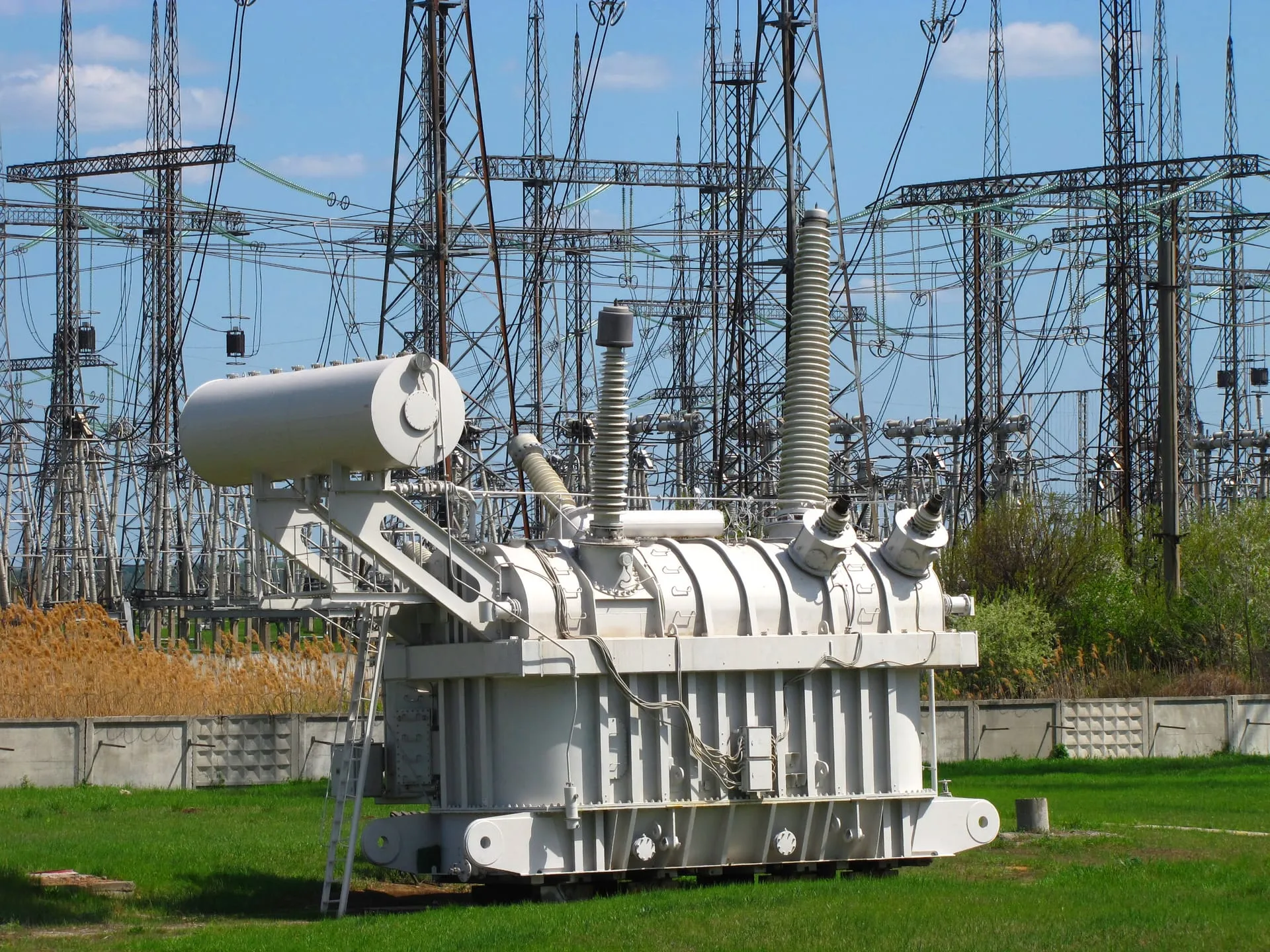
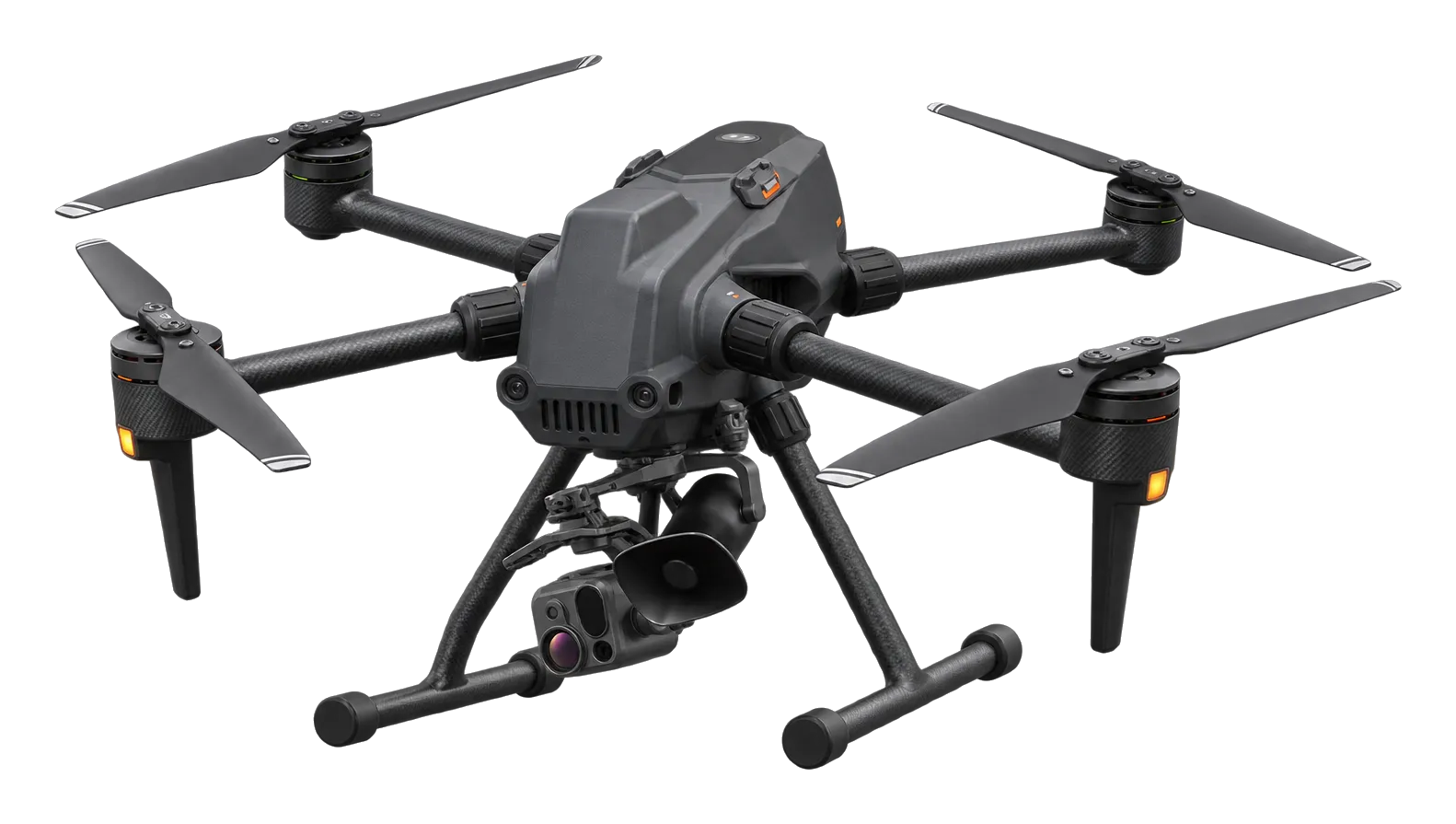
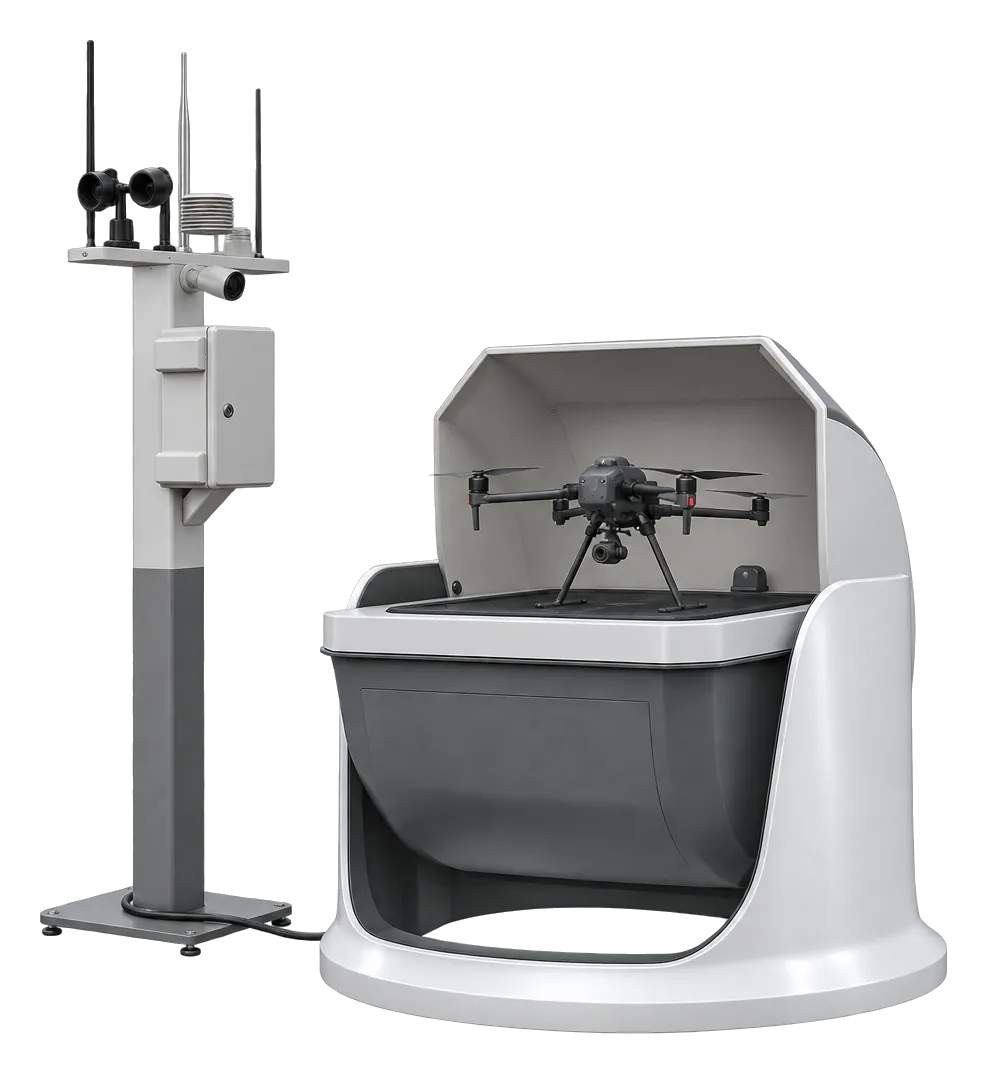
Short answer: in 2026 the right substation inspection drone depends on the type of substation. A remote unmanned outdoor yard suits a DS-1 dock with an IS-4 flying scheduled thermal rounds; a utility crew covering many yards suits a portable IS-4; fences and perimeters suit the lighter IS-4X. Indoor halls are not suited.
Which setup fits which substation?
| Substation type | What to inspect | Aircraft | Flight pattern | Limit |
|---|---|---|---|---|
| Remote unmanned outdoor yard | Bushings, joints, breakers, gauges | DS-1 plus IS-4 | Weekly or daily docked rounds | Power, Ethernet, approval for remote flights |
| Staffed or urban outdoor yard | Same, on request | Portable IS-4 | Crew-flown rounds | A crew drives to each site |
| Large switching or converter station | Many bays, long bus runs | IS-4 with a dock and a portable spare | Multi-leg waypoint routes | Route length against 63 min |
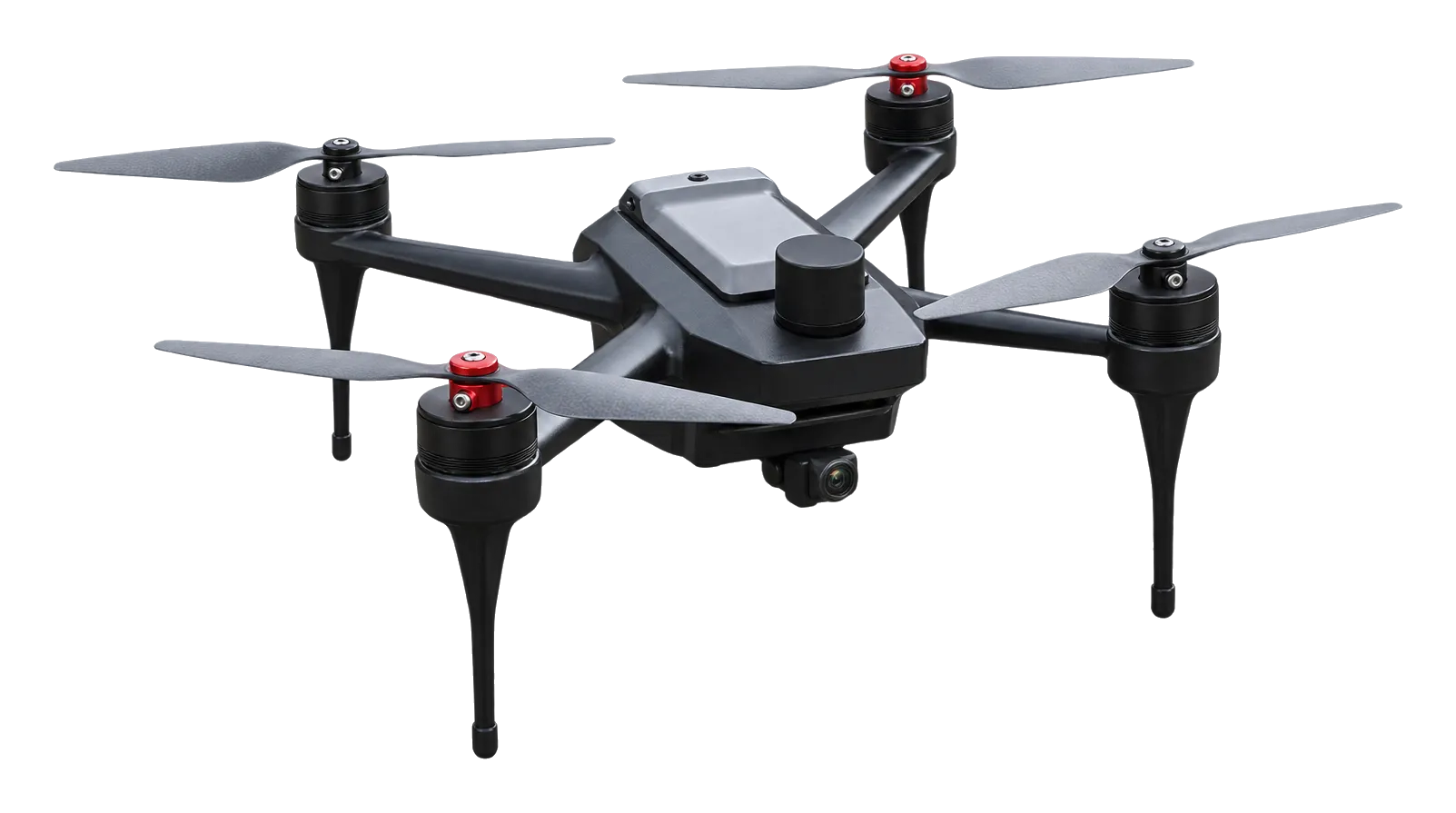
| Fence and perimeter | Intrusion, vegetation, access roads | IS-4X | Patrol laps | 2.5 kg payload, 5 km range |
| Indoor gas-insulated hall | n/a | Not suited | n/a | No sky view for RTK, tight space |
What can a drone see in a substation?
| Sensor | What it shows |
|---|---|
| Thermal | Hot joints, connectors, bushings, overloaded leads |
| 18× optical zoom | Gauges, oil-level windows, nameplates, cracked insulators, corrosion, nests |
| Wide visible | Fence line, vegetation, storm damage |
One published 2026 guide puts a substation inspection at 20–40 minutes on one battery for an M4T or M30T-class multirotor, which is a useful benchmark for your own routes.
How do you plan a thermal round?
Fly under load, so faults show. Use the same waypoints, altitude and viewing angle every round, and record load, ambient temperature and wind, so the images compare over time. We give no temperature-rise limits here; take them from your utility’s standards.
Example only, with assumed figures. A yard of 300 × 200 m. The perimeter is 2 × (300 + 200) = 1,000 m, flown at 5 m/s: 200 s, about 3.3 minutes. Twenty thermal and zoom waypoints at 30 s each take 10 minutes. Climb, transit and landing add 2 minutes. One round is about 15 minutes, roughly a quarter of the IS-4’s 63-minute brochure endurance. Two docked rounds a day are 30 minutes of flying, with the dock recharging between them.
Does electromagnetic interference stop a drone?
Steel gantries, large conductors and strong fields can disturb a magnetic compass. The IS-4 holds position to ±0.1 m with RTK and senses obstacles in all directions (front 0.7–40 m, sides up to 30 m), and its wind rating is level 7. Flight-test the yard at low height before the first job. Skydio markets an EMI-resistant substation drone, which is a maker claim. A dock needs its own siting: one maker keeps docks more than 200 m from radar and microwave stations and away from large steel structures.
How close may a drone fly to live equipment?
No page can set that for you. The utility’s rules, the voltage class and the maker’s limits decide. OSHA’s 1910.269 sets safety rules for people working on or near energised power equipment; ask your safety team how it applies to a drone crew. Use the zoom to keep your distance.
What must the yard allow for docked rounds?
Beyond the basics in drone dock or crewed inspection and installation requirements, a substation adds two questions: where the dock, 1.46 × 1.46 m plus a 2.3 m weather mast, can stand clear of live equipment and steel, and how it connects to the yard’s earthing and lightning protection. Ask the substation’s earthing engineer to approve the spot.
Are there flight restrictions over substations?
The FAA restricts flight over certain designated critical-infrastructure sites, from the ground to 400 ft; check its critical infrastructure page and the facility maps for your site. Remote flights need approval where your authority requires it; see BVLOS drone inspection. US buyers should check FCC Covered List status, the Section 232 duty (100 % on drones with integrated thermal imagers and on docking stations from 3 September 2026) and FAA approval for aircraft of 55 lb or more; see FCC certification.
Quick picks
- Best for remote unmanned yards: DS-1 plus IS-4, daily rounds, −35 to 50 °C.
- Best for crews covering many substations: IS-4, 63 min, four-optical gimbal with 18× zoom and infrared.
- Best for fence and night patrol: IS-4X, thermal payload option, IP67.
- Best for large converter stations: IS-4 with a dock, plus a portable spare.
Next step
Send the single-line diagram or yard layout, the number of bays and how often you inspect. We reply with a round plan and the aircraft and payload to match, through the contact form.
Q & A
Common questions
01What can a drone inspect in a substation?
Hot joints and bushings with a thermal camera, gauges, oil-level windows, nameplates and insulators with zoom, and the fence, vegetation and storm damage with a wide visible camera. It supports your inspectors; it does not replace tests that need a shutdown.
02Does electromagnetic interference affect drones in substations?
It can disturb a magnetic compass near steel gantries and large conductors. Mitigate with RTK positioning, obstacle sensing, a flight test of the yard and the maker’s guidance on distance from steel. Some makers market EMI-resistant aircraft; ask for the test evidence.
03How close can a drone fly to energised equipment?
The utility’s safety rules, the voltage class and the maker’s limits decide, so we give no distance here. Use zoom rather than proximity: the IS-4 carries an 18× optical zoom camera.
04Thermal or zoom: which camera for substations?
Both. Thermal shows heat, zoom shows what the heat is on. The IS-4 four-optical gimbal combines a 48 MP camera with 18× optical zoom and infrared.
05Portable drone or dock for substation rounds?
Dock the aircraft at a remote or unmanned yard you inspect often; fly a portable one where a crew already visits. Many utilities use both. See our dock-or-crew comparison.
06How much does a substation inspection drone cost?
The IS-4 lists at US$9,100–11,400 and the IS-4X at US$4,000–6,700 (reference FOB China, varying with configuration). The DS-1 dock is quoted per project.
References
- 1Substation Inspection — DJI Enterprise
- 2Electromagnetic (EMI) Resistant Drones for Efficient Substation Monitoring — Skydio
- 3Critical Infrastructure and Public Venues — Federal Aviation Administration
- 41910.269 Electric power generation, transmission, and distribution — OSHA
- 5Best Drones for Power Line Inspection in 2026 — DroneTrader
- 6DJI Dock Installation: In-depth Guide — heliguy
VEXAFLY Aviation Technology Co., Ltd.. VEXAFLY Aviation Technology Co., Ltd. — industrial drone maker in Nanjing. Our application engineers write and check these pages and configure inspection, cleaning, lift and fire-response systems for project buyers. About VEXAFLY