Inspection
Drone Dock or Crewed Flights? Choosing an Inspection Setup
When an automatic drone dock pays off and when crewed inspection flights are better: site needs, reach, rules and a worked cost-of-visits example.
- Author
- VEXAFLY Aviation Technology Co., Ltd.
- Scope
- Inspection
- Published
- Length
- 4 min read · 3 sources
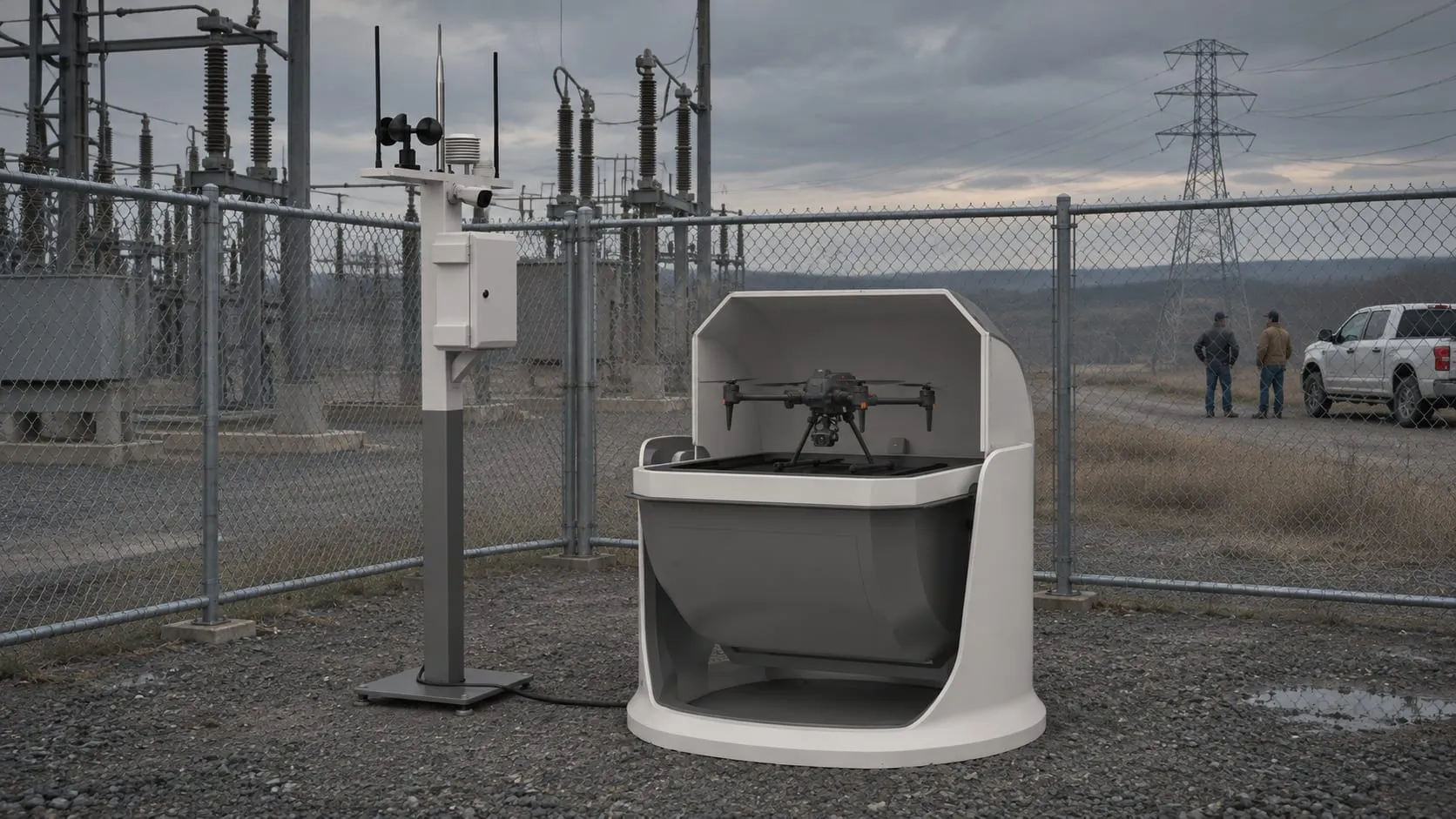
Short answer: choose a dock when one site needs the same inspection again and again, the site has power and a network connection, and local rules allow remote or automated launches. Choose crewed flights when you inspect many places now and then, or long lines and pipelines that a docked aircraft cannot reach and return from. Most utilities end up with both.
What a dock changes
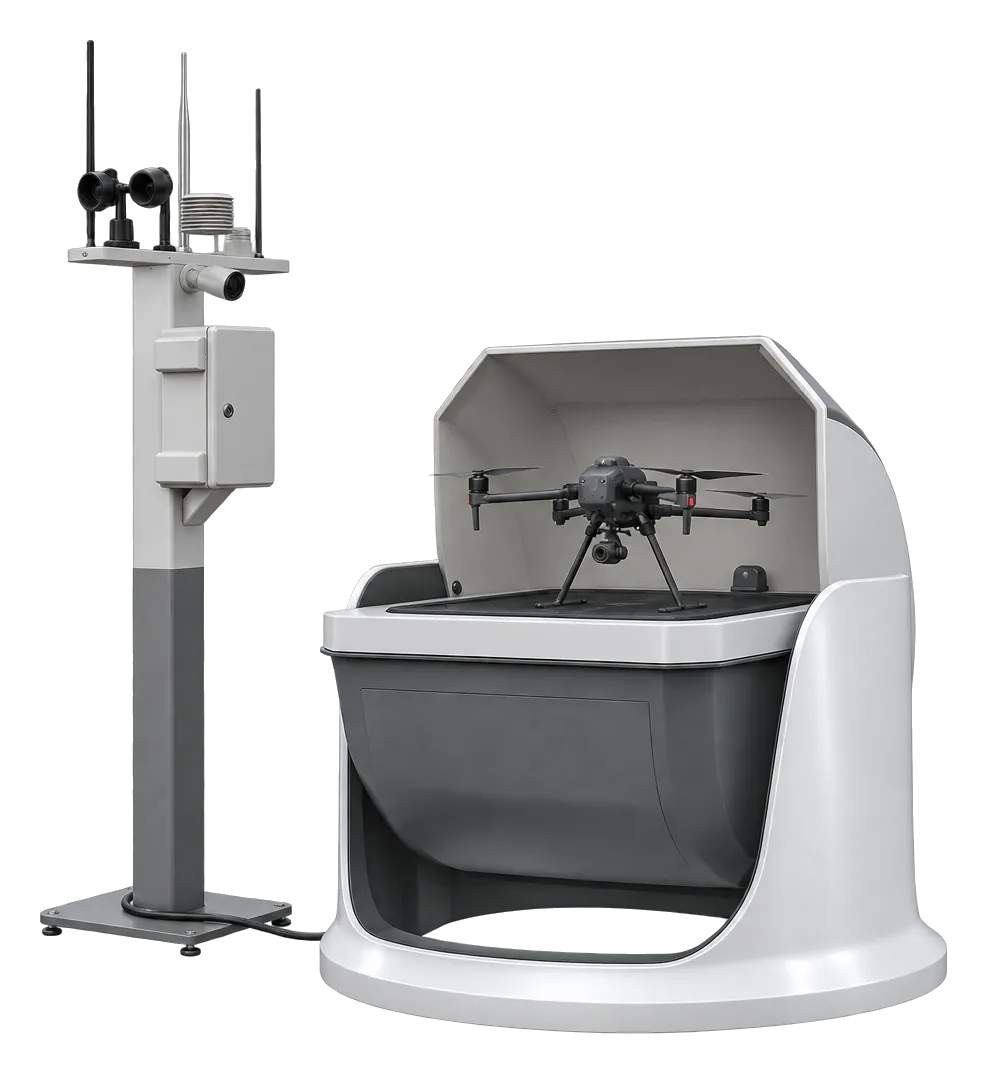
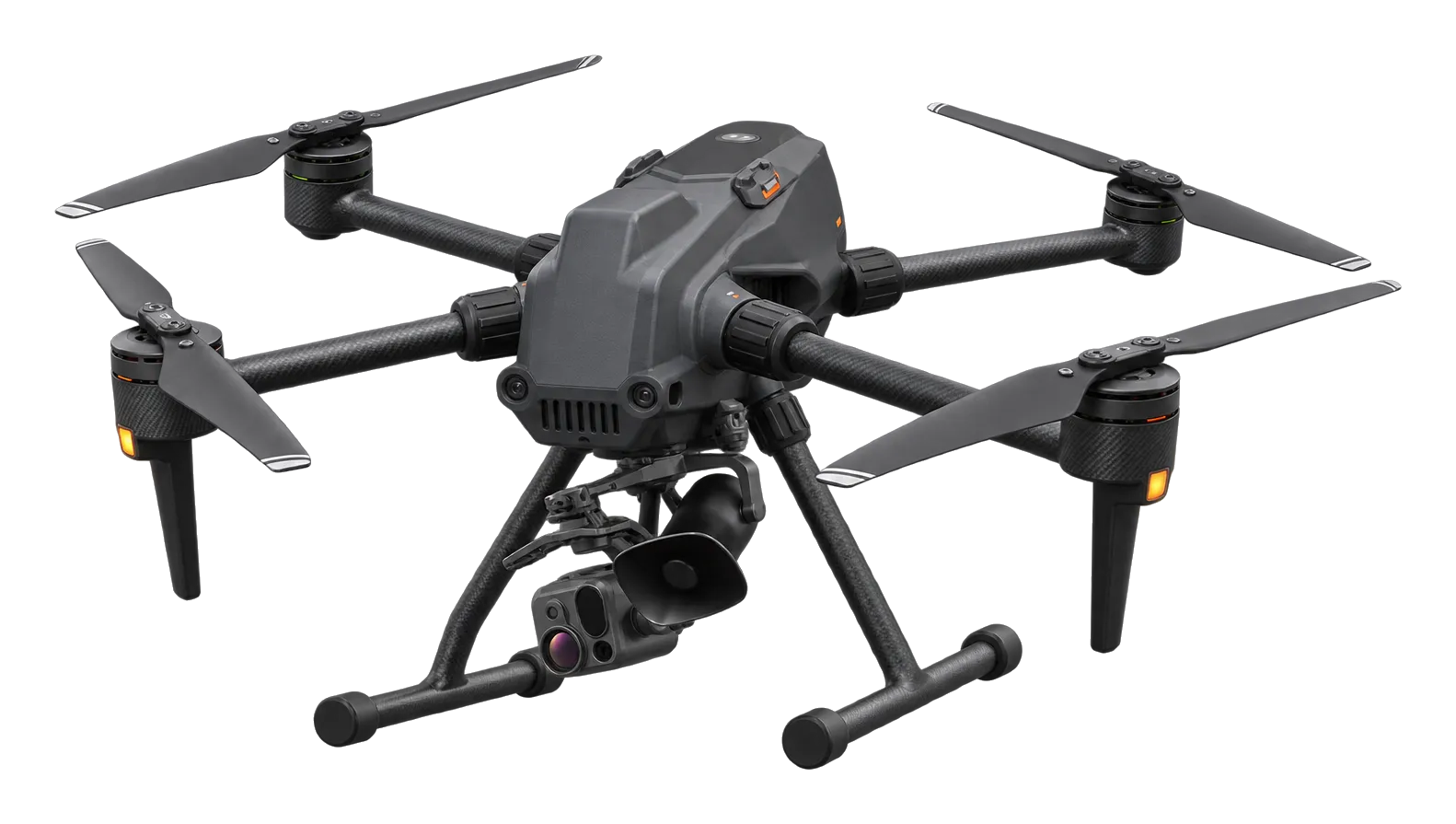
An automatic dock such as the DS-1 keeps an aircraft on site. It opens on schedule or on command, the IS-4 flies a set route, lands back on RTK and vision guidance and charges. Nobody drives to the site for routine checks; people look at the results from an office.
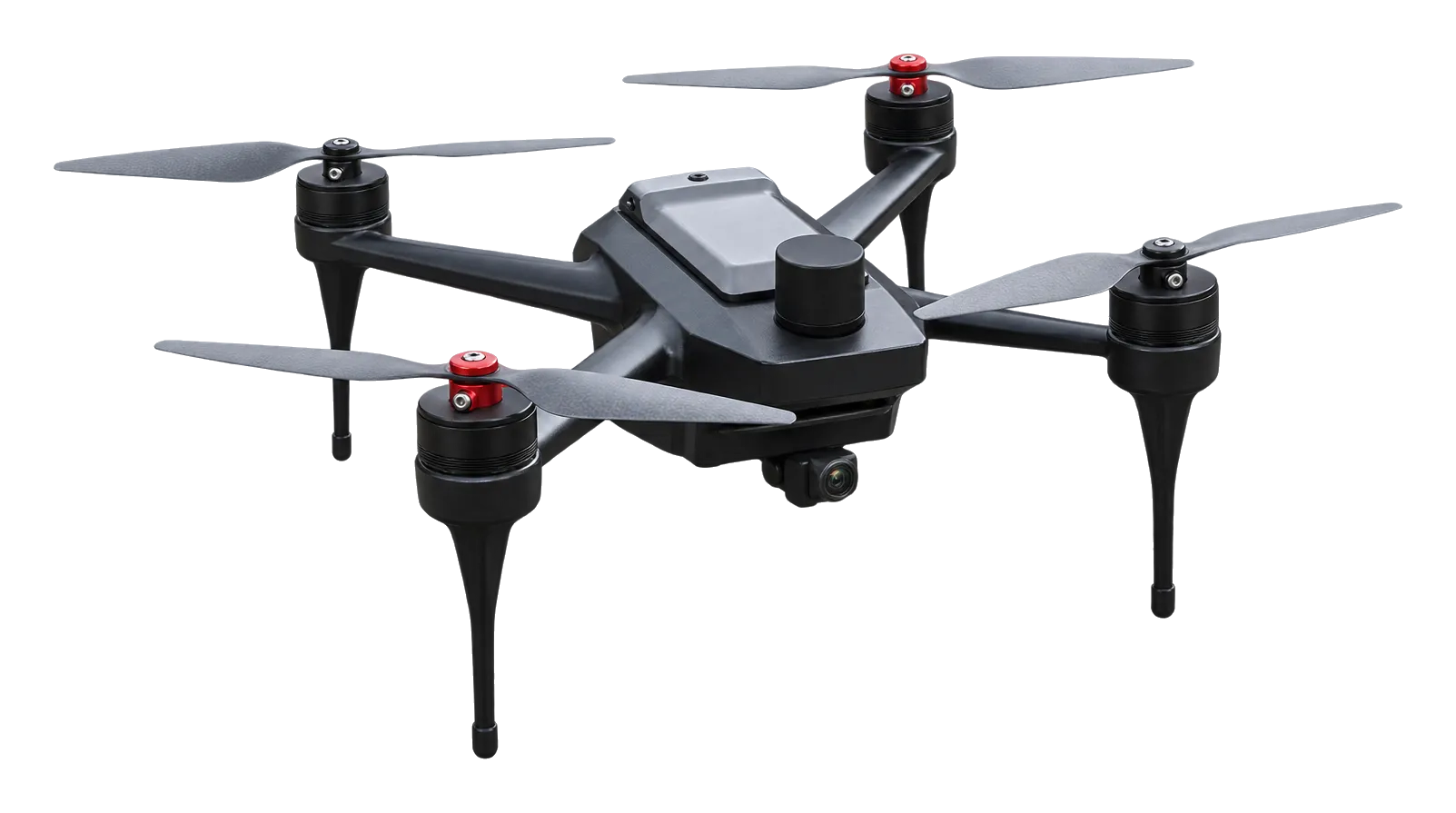
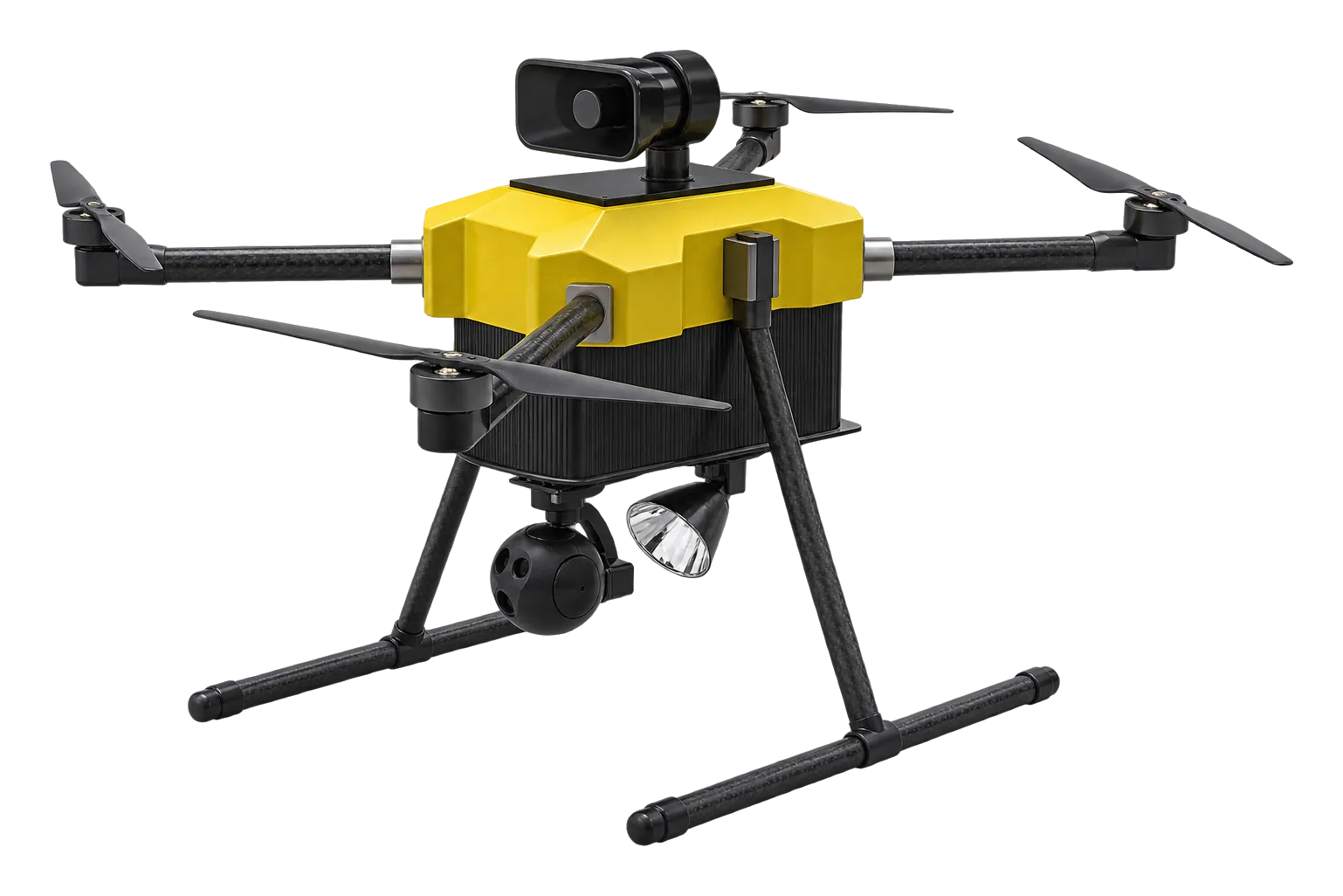
A crewed setup sends a team with a portable aircraft — the compact IS-4X, the IS-4 flown by hand, or the long-endurance IS-9. It costs travel time per visit but goes anywhere the team can reach, with whatever payload the job needs that day.
Most comparisons online list dock models and brands. The useful question for a buyer is different: how often is the same place inspected, and what does each visit cost today?
A quick comparison
| Question | Dock | Crewed flights |
|---|---|---|
| How many sites? | One site, inspected often | Many sites, visited now and then |
| Travel per flight | None for routine flights | Every flight |
| Response to an alarm | Minutes, aircraft is already there | As long as the drive takes |
| Site needs | Power, wired network, level and secure place | Access for the team |
| Route length | Within reach of the dock, with reserve | As far as the aircraft and rules allow |
| Payload | What the docked aircraft carries | Any payload the crew brings |
| Rules | Remote or automated flights must be approved | Standard remote pilot rules |
Worked example: counting crew hours
Example only, an estimate — replace the numbers with your own. A substation is 90 minutes’ drive from the depot. A two-person crew needs 3 hours of driving, 1 hour on site and half an hour to prepare: 4.5 hours per visit, or 9 crew hours.
| Inspection frequency | Visits per year | Crew hours per year |
|---|---|---|
| Monthly | 12 | 108 |
| Weekly | 52 | 468 |
| Twice a week | 104 | 936 |
At monthly visits, a crew is usually the cheaper and simpler answer. At weekly or more, the crew hours start to dwarf the cost of a dock, its installation and a remote pilot who reviews flights from the office. Add the value of faster response — a docked aircraft can look at an alarm within minutes instead of hours — and the case gets stronger. Your own labour rate, distances and the dock quotation decide where the line sits.
What the site must provide
A dock is a small piece of infrastructure, not just an aircraft. Before choosing a place, check:
- Power: the DS-1 draws up to 1,700 W at peak and has a UPS backup; plan a protected supply.
- Network: a wired Ethernet connection to send video and data and to receive commands.
- Base: a level concrete pad or a rooftop mount for a unit of about 1.46 × 1.46 m plus the weather mast, with clear airspace above.
- Security: inside the site fence, away from vehicle routes and from equipment that interferes with radio links.
- Climate: the DS-1 is rated −35 °C to 50 °C and IP54; check snow load, dust and lightning protection.
How far a dock reaches
A dock covers the area its aircraft can fly out to, work in and return from with a reserve. With an 8 km control range on paper, a practical working radius is smaller: route time, wind and hovering for close looks all use battery. Map your routes, then test them. Long linear assets — transmission lines, pipelines, rail corridors — usually need a crew with an aircraft like the IS-9, which flies up to 120 minutes in the brochure figures.
Check the rules first
Remote and automated operations are regulated differently from flights where a pilot stands next to the aircraft. In the United States, commercial flights follow the FAA’s remote pilot rules, and operations outside them — such as flying beyond visual line of sight — need a waiver. In Europe, most docked operations fall into EASA’s “specific” category and need an authorisation based on a risk assessment. Other countries have their own processes. Ask your aviation authority what is allowed at your site before you budget for a dock; we provide technical documents for the application but cannot guarantee approval.
A mixed fleet is normal
Utilities and industrial operators rarely choose one model for everything. A common pattern is:
- Docks on the few sites that are inspected most often or need fast alarm response.
- Crews with portable aircraft for the many sites visited monthly or less.
- A long-endurance aircraft for lines and pipelines.
Because the IS-4 flies both from the dock and by hand, crews and docks can share aircraft type, spare parts and training.
What to prepare before asking for a quote
- The site layout and where a dock could stand, with photos
- Routes, how often they are flown and what must be seen (cracks, hot spots, intruders)
- The payload: zoom, thermal or both
- Climate: temperature range, wind, rain, snow, dust
- Power and network available at the site
- Where the data should go and who reviews it
With these points our engineers can tell you whether a dock, a crew or both make sense, and what the system should include. See the inspection range or send us your site details.
Q & A
Common questions
01Can one dock cover several sites?
A dock serves the area its aircraft can reach and return from with a margin. With an 8 km control range, sites a few kilometres apart can share a dock if the rules allow flights between them; sites far apart need their own dock or a crew.
02Does a dock replace the pilot?
It automates take-off, landing and charging. Whether someone must supervise the flight, and from where, is set by your aviation authority. In many countries a remote pilot still monitors every docked flight.
03What data do we get?
The same imagery and video as a crewed flight with the same payload. Where it is stored, who reviews it and how quickly are part of the setup to plan before installation.
04Can we start with crewed flights and add a dock later?
Yes. The IS-4 is flown by hand or from the DS-1 dock, so a team can begin with crewed flights, learn the routes and move a busy site to docked operation later.
05What happens in bad weather?
The DS-1 has its own weather station for wind, rain, temperature, humidity and air pressure, so flights can be held when conditions are outside limits. A crew makes the same call on site.
06How long does installation take?
The dock itself is quick to set down; the time goes into the concrete base or rooftop mount, power, network, site security and approvals. Plan those first.
References
- 1Certificated Remote Pilots including Commercial Operators — Federal Aviation Administration
- 2Part 107 Waivers — Federal Aviation Administration
- 3Specific category — civil drones — European Union Aviation Safety Agency
VEXAFLY Aviation Technology Co., Ltd.. VEXAFLY Aviation Technology Co., Ltd. — industrial drone maker in Nanjing. Our application engineers write and check these pages and configure inspection, cleaning, lift and fire-response systems for project buyers. About VEXAFLY