Inspection
Pipeline Inspection Drones in 2026: Patrol Intervals, Range and Sensors by Pipeline Type
Pipeline inspection drone guide for 2026: US patrol intervals, km per sortie, sensors for leaks and ground movement, and which aircraft fits each pipeline type.
- Author
- VEXAFLY Aviation Technology Co., Ltd.
- Scope
- Inspection
- Published
- Length
- 4 min read · 6 sources
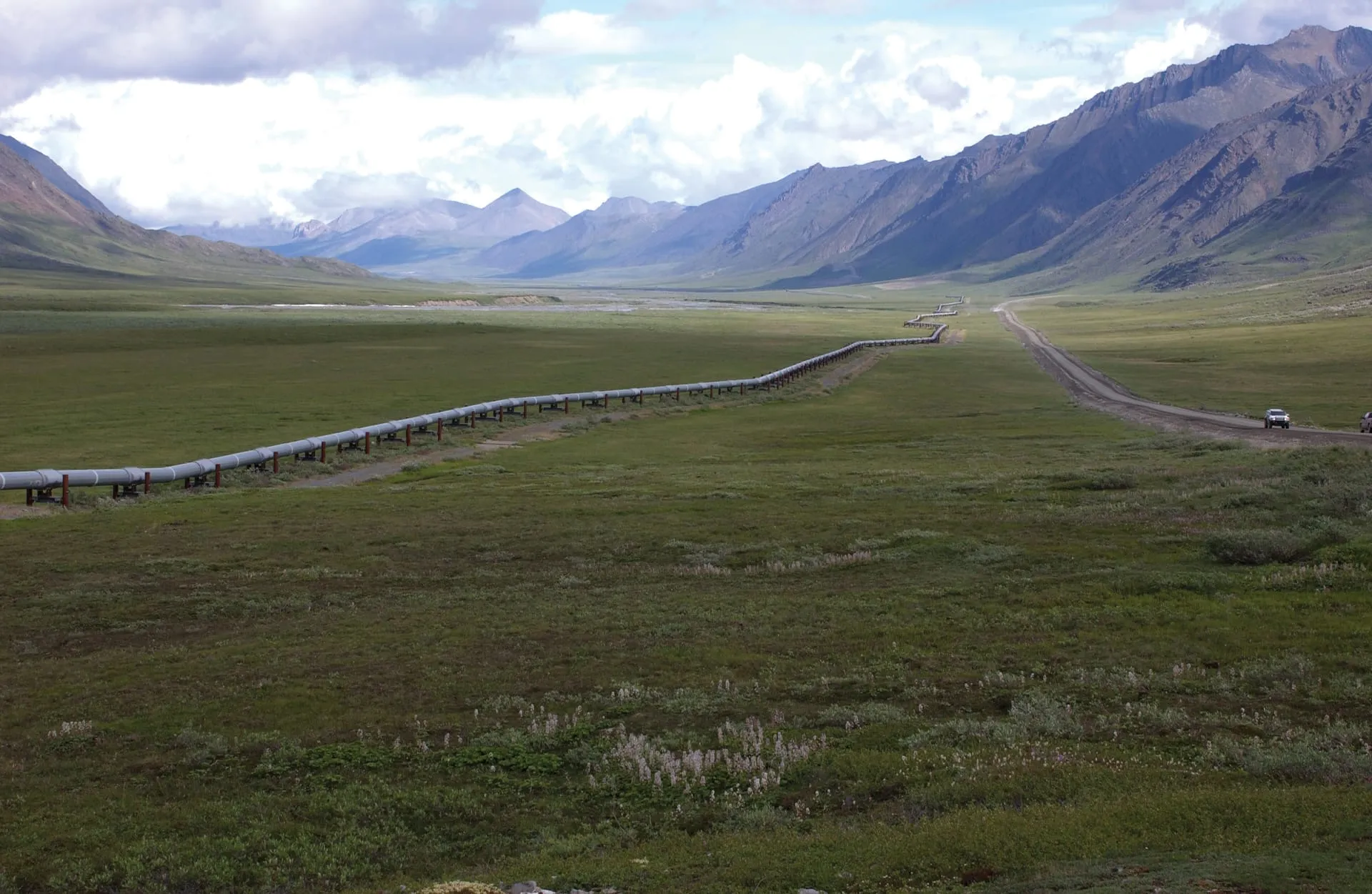
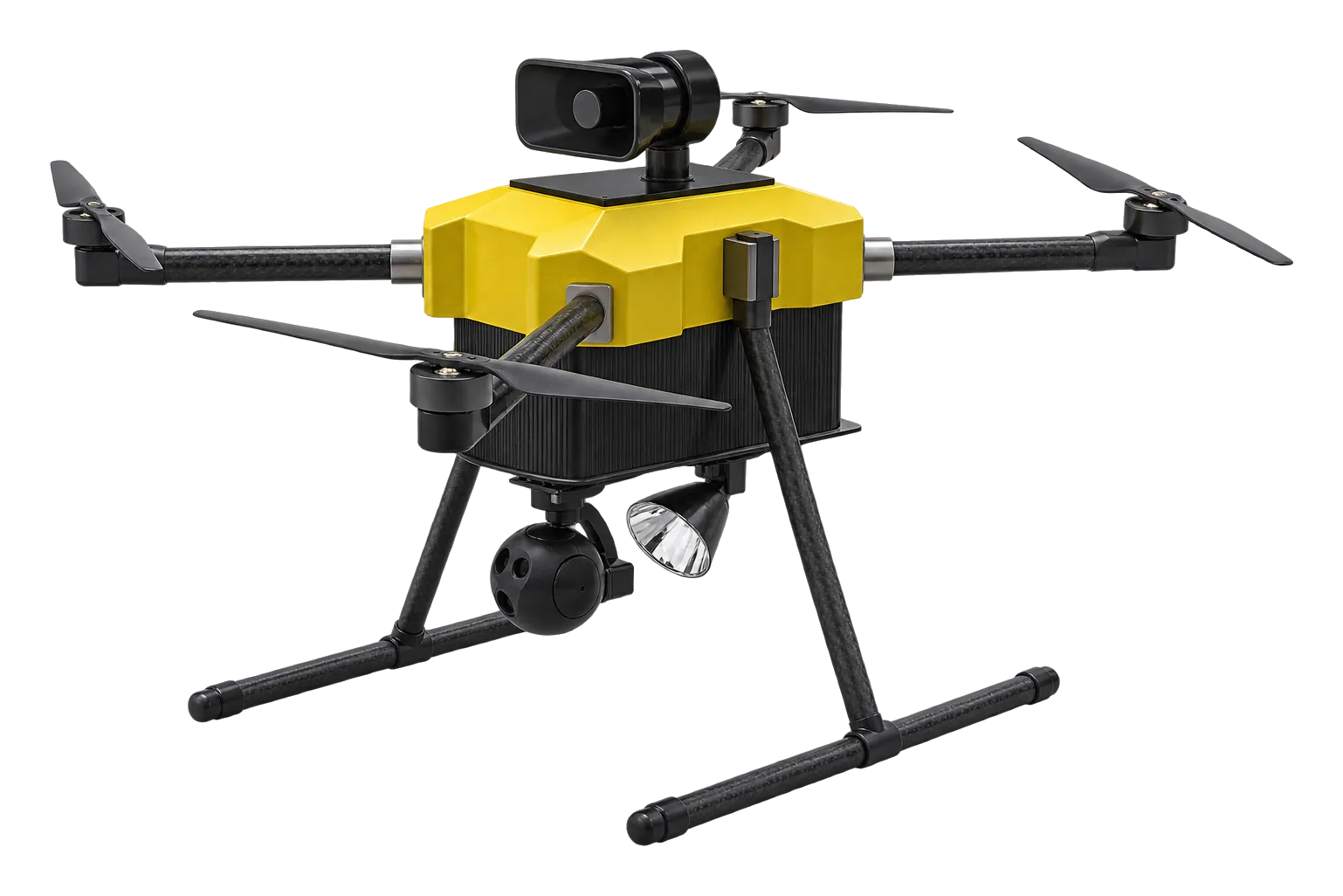
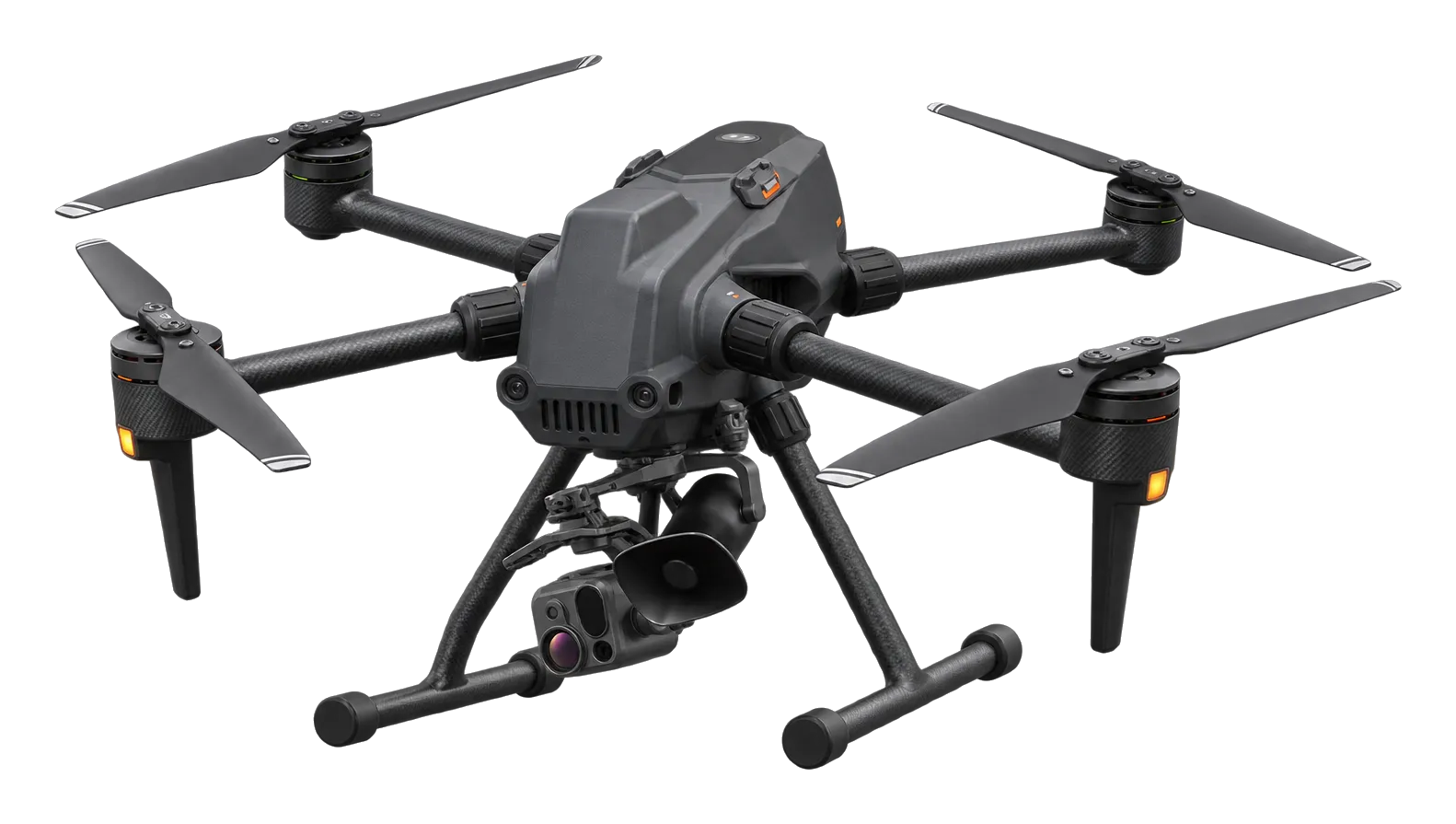
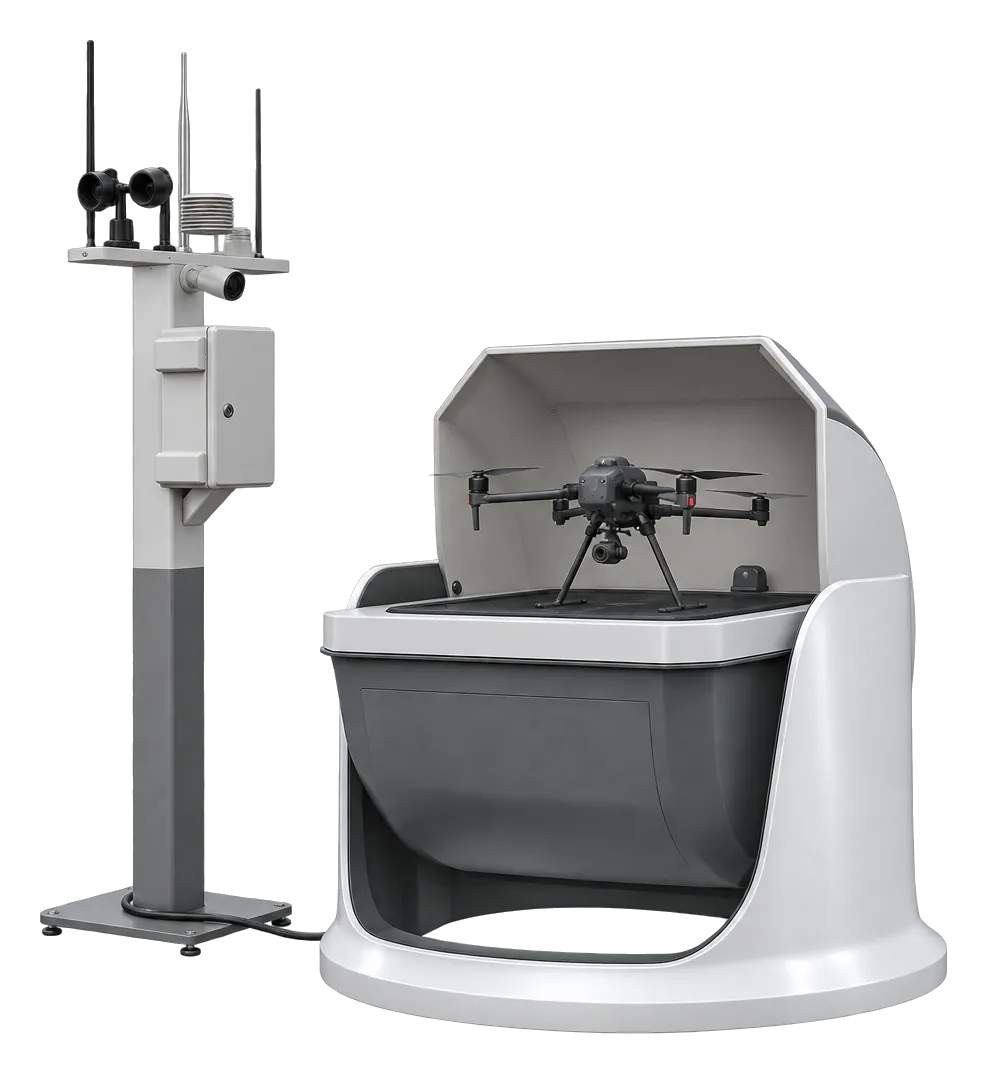
Short answer: in 2026 the right pipeline inspection drone follows the patrol interval and the terrain. A long rural right-of-way patrolled every few weeks needs the long-endurance IS-9, up to 120 minutes in the brochure; stations, valves and pipe racks suit the IS-4; a pump or compressor station checked often can use a DS-1 dock. Flying beyond sight needs approval in most countries.
Which setup fits which pipeline?
| Pipeline situation | Patrol interval (US) | Aircraft | Payload | Flight mode | Limit |
|---|---|---|---|---|---|
| Hazardous liquid, rural right-of-way | At most 3 weeks, at least 26 a year | IS-9 | Zoom and thermal | Beyond sight or visual legs | Approval; payload weight |
| Gas transmission, class 1–2 | At most 15 months, at least yearly | IS-9, or IS-4 for segments | Zoom | Visual legs or beyond sight | Long sections |
| Gas transmission, class 3–4 | Twice a year (class 3), four times a year (class 4) | IS-4 or IS-4X | Zoom | Visual line of sight | People and roads below |
| Stations, valves, pipe racks | Operator schedule | IS-4, or DS-1 plus IS-4 | Thermal and zoom | Crewed or docked | 8 km dock reach |
| Cold, desert or permafrost | As above | IS-9 | As above | Crewed | Payload above 5 kg |
How often do the rules require a patrol?
Under 49 CFR 195.412, operators of hazardous liquid lines inspect the right-of-way surface at intervals of up to 3 weeks and at least 26 times each calendar year. Under 49 CFR 192.705, gas transmission patrols run up to 15 months (at least once a year) in class 1 and 2, 7½ months (twice a year) in class 3 and 4½ months (four times a year) in class 4, and more often at highway and railroad crossings. Flying is an accepted method. In April 2026 PHMSA published a proposal to state that patrols may use remote sensing including drones; one vendor reports the frequencies are unchanged. See BVLOS drone inspection for approvals.
How do patrol intervals turn into sorties?
Example only, with assumed figures. A 120 km hazardous liquid line patrolled 26 times a year is 26 × 120 = 3,120 km of right-of-way a year. An IS-9 with a 3 kg sensor has 65 minutes of brochure endurance. Keep a 30 % reserve: 65 × 0.7 ≈ 45 minutes. At 8 m/s that is 8 × 60 × 45 = 21,600 m, 21.6 km one way with a crew vehicle moving to the landing point. So 120 ÷ 21.6 ≈ 6 sorties per patrol, and 6 × 26 = 156 sorties a year. Every one of them needs beyond-sight approval or visual legs.
Which sensor finds what?
| Sensor | Finds | Note |
|---|---|---|
| Zoom camera | Washouts, encroachment, third-party digging, marker damage | The core payload |
| Thermal | Soil temperature anomalies near buried lines, hot station equipment | Read in stable weather |
| Gas sensing | Possible leaks | Separate sensor class; check weight and fit |
| LiDAR | Ground movement, slope change, vegetation | Weight against the IS-9 table |
The IS-9 carries 3–5 kg, with endurance of 90, 75, 65, 60 and 50 minutes at 1, 2, 3, 4 and 5 kg.
What do desert, forest, permafrost and rivers change?
The IS-9 is rated IP67 and −40 to 50 °C, so it fits cold steppe and wet routes. Forest cover hides the pipe, so plan lower and slower passes. River crossings add wind and the risk of losing the aircraft in water, so plan landing points on dry ground. The IS-4 is IP45; keep it out of heavy rain.
What about flying beyond sight along a right-of-way?
In the US, flight beyond visual line of sight needs a Part 107 waiver or another authorisation; see the FAA waivers page. In Europe it usually falls in the specific category. Range is not approval: the IS-9 lists 65 km maximum range, but an authority approves a route and a safety case. US buyers should also check FCC Covered List status, the 100 % Section 232 duty on thermal-camera drones and FAA approval for aircraft of 55 lb or more with their customs broker; see importing from China. Related guides: oil and gas drone inspection and cold weather.
Quick picks
- Best for long rural right-of-way patrols: IS-9, 120 min, 65 km maximum range, IP67.
- Best for stations, valves and pipe racks: IS-4, 63 min, 18× zoom and infrared.
- Best for cold regions: IS-9, −40 °C.
- Best for repeated checks around a pump or compressor station: DS-1 plus IS-4, 8 km reach.
Next step
Send the line length, class locations, crossings and how you patrol today through the contact form. We return the sorties a year for your route and the aircraft to match.
Q & A
Common questions
01What kind of drone is used for pipeline inspection?
Multirotors for stations, valves and short sections; long-endurance multirotors or VTOL aircraft for long rural right-of-way. The choice follows the patrol interval, the length and the terrain.
02How far can a pipeline drone fly in one sortie?
In our example an IS-9 with a 3 kg sensor covers about 21.6 km one way after a 30 % reserve at 8 m/s. Real distance depends on payload, wind, speed and temperature.
03Does PHMSA allow drones for right-of-way patrols?
A 2021 PHMSA interpretation (PI-21-0006), as summarised by one vendor, says the liquid rule does not preclude drones. A proposed rule published on 24 April 2026 would state it in the text. Check the Federal Register for the current status.
04How often must a pipeline be patrolled?
In the US, hazardous liquid right-of-way inspections happen at intervals of up to 3 weeks and at least 26 times a year. Gas transmission patrols range from 15 months (at least yearly) in class 1 and 2 to 4½ months in class 4.
05Can drones detect methane leaks?
Some gas-sensing payloads exist, but they are a separate sensor class. We list no methane payload; send the model and weight and we check fit against the IS-9 table.
06Do I need BVLOS approval for pipeline patrols?
Usually yes for long legs. Without it, plan visual-line-of-sight legs with a moving crew. See our guide to BVLOS inspection.
References
- 149 CFR 192.705 Transmission lines: Patrolling — eCFR (US Government)
- 249 CFR 195.412 Inspection of rights-of-way and crossings under navigable waters — eCFR (US Government)
- 3Pipeline Safety: Integration of Innovative Remote Sensing Technologies for Right-of-Way Patrols (NPRM) — Federal Register
- 4Drones for Pipeline Inspections — Acecore Technologies
- 5Pipeline Inspection — DJI Enterprise
- 6Part 107 Waivers — Federal Aviation Administration
VEXAFLY Aviation Technology Co., Ltd.. VEXAFLY Aviation Technology Co., Ltd. — industrial drone maker in Nanjing. Our application engineers write and check these pages and configure inspection, cleaning, lift and fire-response systems for project buyers. About VEXAFLY