Inspection
Oil and Gas Drone Inspection in 2026: What a Drone Can Reach and What It Cannot
Oil and gas drone inspection in 2026: flares, tanks, well pads and offshore topsides by asset, hazardous-area limits, standoff zoom and what needs an inspector.
- Author
- VEXAFLY Aviation Technology Co., Ltd.
- Scope
- Inspection
- Published
- Length
- 4 min read · 7 sources
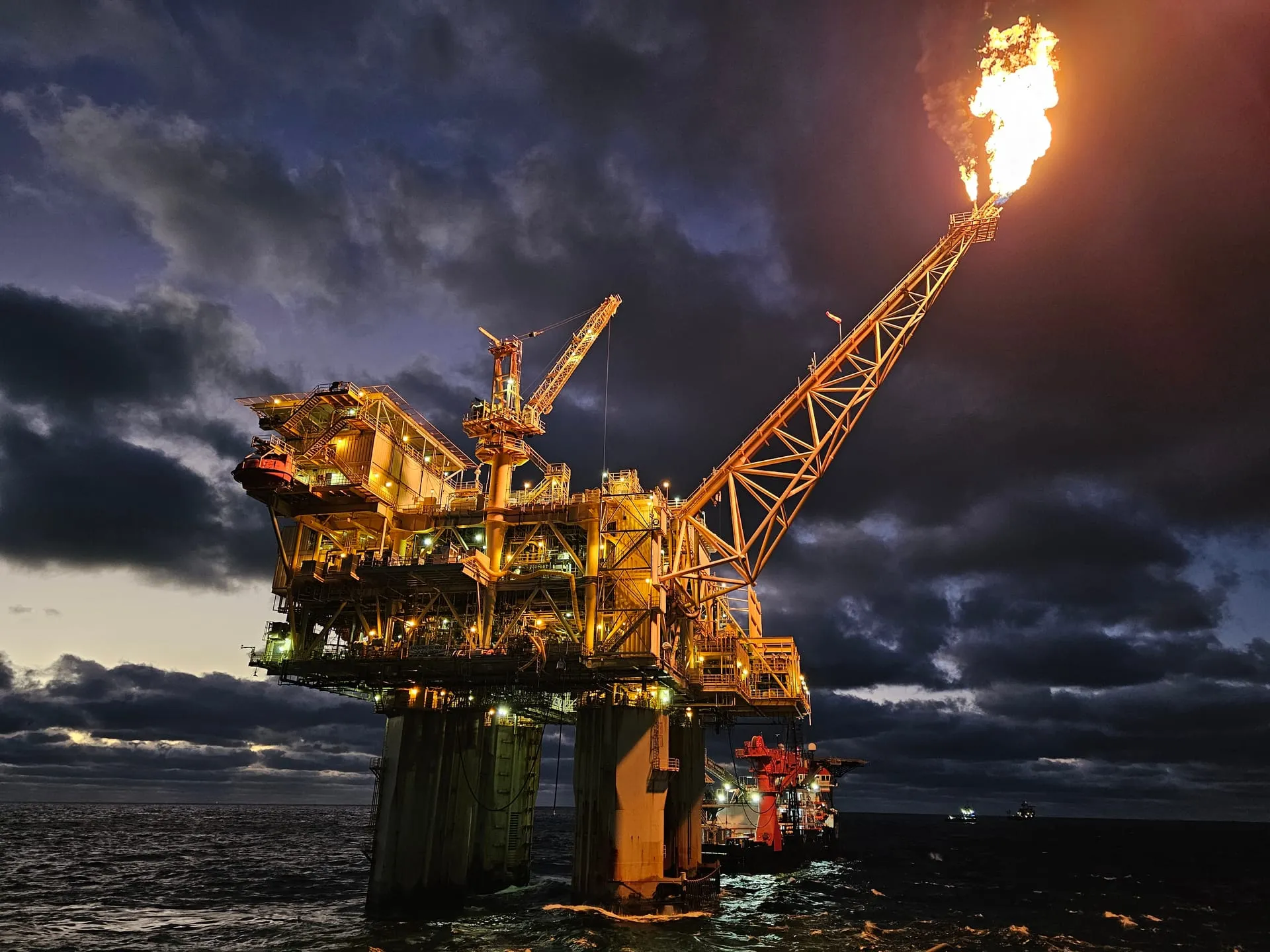
Short answer: in 2026 oil and gas drone inspection works best on the outside of assets: flare stacks, tank roofs and shells, pipe racks, well pads and platform topsides. A drone gives a safe, fast first look from a standoff. It does not enter hazardous zones, test steel thickness or replace the certified inspector who signs the report.
Which asset needs which setup?
| Asset | What the drone records | Aircraft | Zone and site limit | Who takes over |
|---|---|---|---|---|
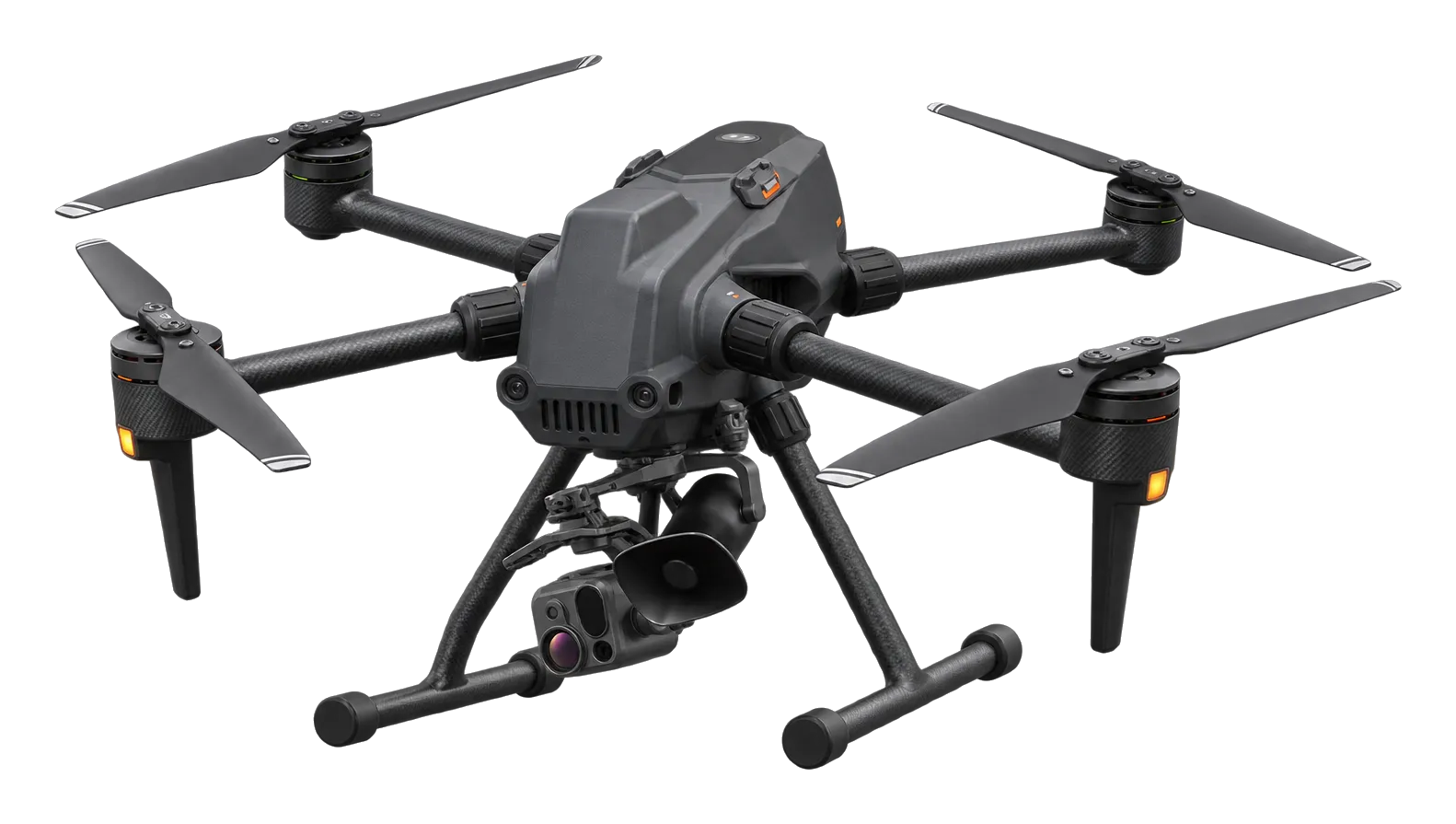
| Flare stack or boom | Structure, tip, supports, paint | IS-4, zoom from standoff | Radiant heat; stay out of classified zone | Rope access, scaffold for tip repair |
| Storage tank roof and shell | Corrosion, coating, roof drains, floating roof seals | IS-4 | Vents and gas near the roof; stay outside the zone | API 653 inspector, UT thickness, tank entry |
| Pipe rack and process area | Supports, insulation, leaks of liquid | IS-4 | Congested, many obstacles | Technician, NDT |
| Compressor or pump station | Surface and exhaust stacks | IS-4 | Noise, hot surfaces | Operator rounds, gas survey |
| Well pad and gathering line | Pad condition, vegetation, line corridor | IS-9 | Long distance, weather | Pipeline integrity team |
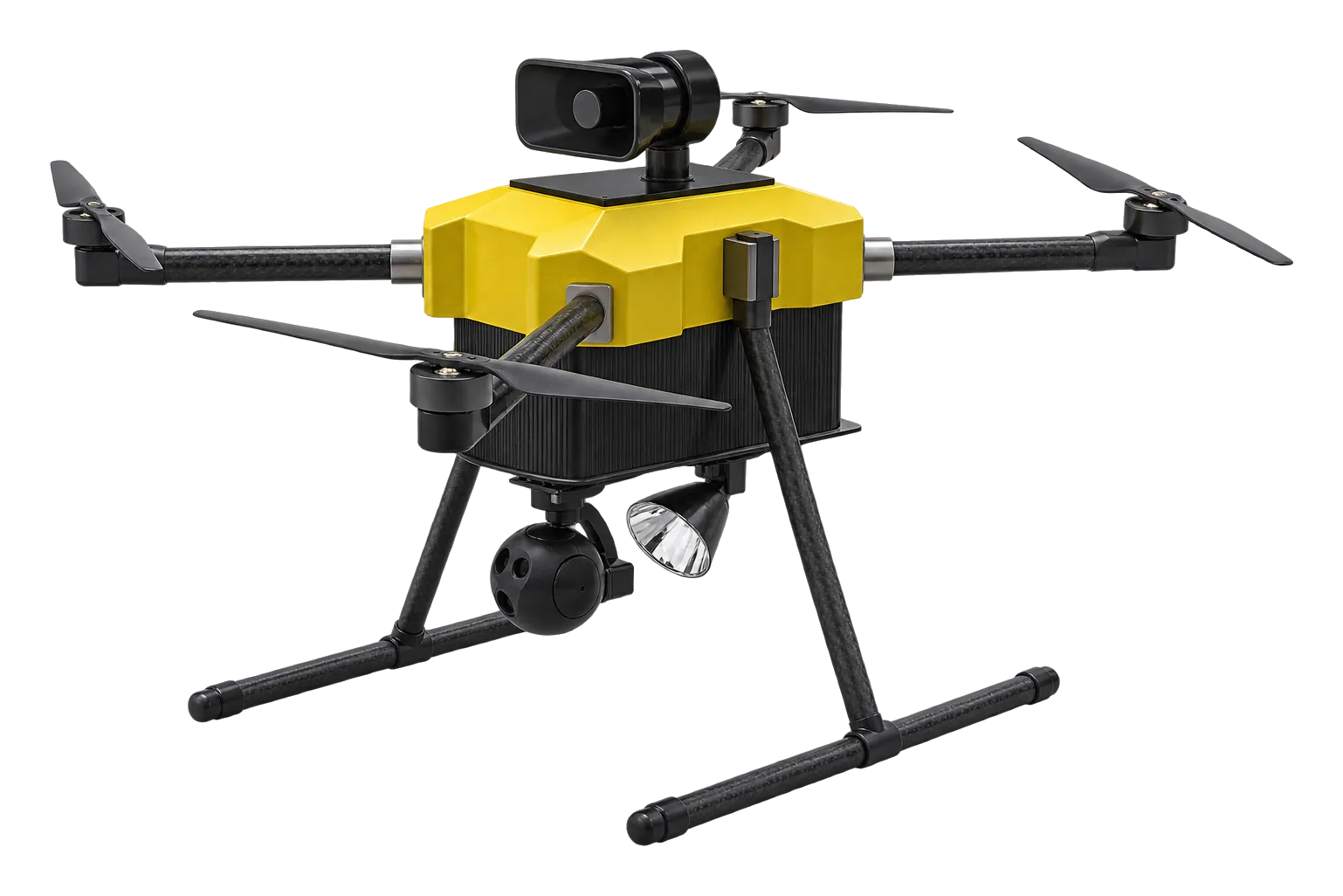
| Offshore topsides | Structure and cranes above water | IS-9, IP67 | Spray, deck launch approval | Rope access, ROV below the splash zone |
Long pipelines are a separate job; see pipeline inspection drones.
Can a drone fly in a hazardous area?
Not ours. Equipment used in classified locations must be intrinsically safe, approved or safe for the location. In the US that is the rule in OSHA 1910.307 for Class I Division 1 and 2 and Zone 0, 1 and 2. In Europe the ATEX framework applies, in Great Britain through HSE guidance, and IECEx is the international scheme.
The IS-4, IS-4X and IS-9 carry no ATEX, IECEx or intrinsically safe rating. Fly outside classified zones, from a standoff, under the site permit-to-work and with gas-free confirmation where the site requires it. Ask the safety officer to draw the zone boundary on the flight plan.
How close can you fly to a flare stack?
The flare operator and the site rule set the distance. Radiant heat and gas downwind both matter. What the aircraft can offer is zoom: an 18× optical zoom divides apparent distance by 18.
Example (assumptions): the flare tip is at 60 m. The site keeps the drone 30 m from the tip. At 18× zoom, the tip looks as if it were 30 ÷ 18 ≈ 1.7 m away. This ignores lens quality and atmosphere, so treat it as an illustration of why zoom matters. Thermal images across hot gas shimmer, so plan the thermal pass with the flare at its minimum.
Thermal or a gas camera?
Thermal shows surface temperature: hot bearings, insulation damage, a hot nozzle. Methane leak surveys need an optical gas imaging camera. US rules under EPA OOOOb call for periodic OGI surveys at compressor stations, and a vendor summary reports an EPA-approved alternative method for drone-mounted OGI in September 2025 with stated limits on standoff and wind (Dronehub). That is a secondary source, and the EPA proposed changes on 29 October 2026, so check the current EPA rule. We sell no OGI camera; a heavier payload on the IS-9 would need a weight and interface check first. See inspection drone camera selection.
What changes offshore?
Salt spray, steady wind and the take-off point. The IS-9 is rated IP67 and works from −40 °C to 50 °C; the IS-4 is rated IP45, which means light rain only. Launching from a vessel or helideck is a site-approval matter, and we make no claim that our aircraft are approved for decks. For the regime on the UK side see the HSE offshore pages. Anything below the waterline belongs to an ROV.
Who signs the tank inspection?
A certified person. The API 653 programme certifies aboveground storage tank inspectors. A drone supplies roof, shell and nozzle pictures and can cut the scaffold hours; the thickness readings, the floor and the interior stay with the inspector, a contact drone or a caged drone. Treat drone work as the first stage of that plan.
What does the aircraft choice cost?
| Aircraft | Reference price (FOB China) | Fits |
|---|---|---|
| IS-4 | US$9,100–11,400 | Plants, tanks, flares from standoff |
| IS-9 | US$42,800–50,000 | Well pads, long lines, rain and cold |
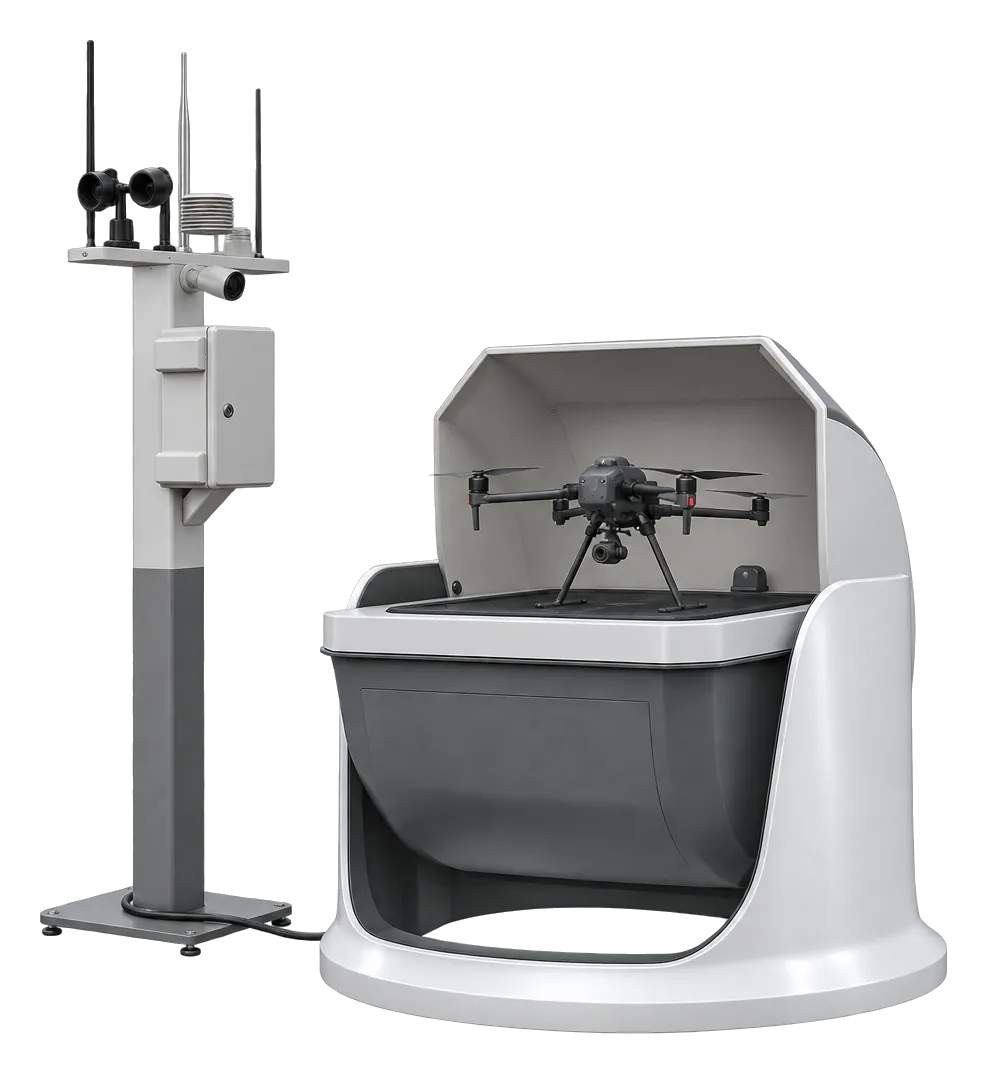
| DS-1 dock | Quoted per project | Fixed rounds at a station |
Prices vary by configuration and quantity; final price on quotation.
Notes for US buyers
In the US, check three things before ordering a foreign-built drone: its FCC Covered List status, the Section 232 duty and FAA approval for aircraft of 55 lb or more. Confirm with your customs broker and the FAA. See importing industrial drones and FCC certification. For Gulf Coast conditions see our Houston market page.
Which aircraft for which part of the field?
- Best for flare externals and tank roofs: IS-4 with the four-optical gimbal, 18× zoom, 63 min.
- Best for well-pad rounds and gathering lines: IS-9, up to 120 min, 65 km, IP67, −40 °C.
- Not our job: tank interiors (caged drone), steel thickness (contact drone), underwater (ROV).
Send the asset list, the zone drawings and the permit rules for your site and we will match them to an aircraft and payload; our service team can discuss training. For flights beyond sight on long corridors read BVLOS inspection.
Q & A
Common questions
01Which assets can a drone inspect on an oil and gas site?
The visible exterior: flare booms and stacks, tank roofs and shells, pipe racks, compressor stations, well pads and platform topsides above water. Interiors, welds under insulation and underwater risers need other methods.
02Can a drone fly in a hazardous area?
Not ours. None of the IS-4, IS-4X or IS-9 carries an ATEX, IECEx or intrinsically safe rating, so they must not fly inside a classified zone. Plan the flight outside the zone and under the permit-to-work, and ask the plant safety officer for the boundary.
03How close can you fly to a flare stack?
It is set by the site rule and the flare operator, not by the drone. Plan a standoff that keeps the aircraft away from radiant heat and downwind gas, and use zoom for detail. We give no distance because it depends on the flare and the wind.
04Is thermal or a gas camera better for leak checks?
They answer different questions. Thermal shows surface temperature. An optical gas imaging camera shows gas as a plume. Methane surveys under regulation need the gas camera; drone thermal does not substitute.
05What changes offshore?
Salt spray, wind and take-off from a deck. The IS-9 is rated IP67 and the IS-4 IP45, so prefer the IS-9 near spray. Deck operation is a site-approval matter and we do not claim approval for any vessel.
06Who signs a tank inspection?
A certified inspector. API 653 sets the certification for aboveground storage tank inspectors. Drone images support the external part of the work.
References
- 11910.307 Hazardous (classified) locations — OSHA
- 2Equipment for potentially explosive atmospheres (ATEX) — European Commission
- 3ATEX and explosive atmospheres — Health and Safety Executive
- 4IECEx — IECEx
- 5API 653 Aboveground Storage Tank Inspector — American Petroleum Institute
- 6Oil and Gas Drone Inspection in 2026 — Dronehub
- 7Offshore oil and gas — Health and Safety Executive
VEXAFLY Aviation Technology Co., Ltd.. VEXAFLY Aviation Technology Co., Ltd. — industrial drone maker in Nanjing. Our application engineers write and check these pages and configure inspection, cleaning, lift and fire-response systems for project buyers. About VEXAFLY