PV-2 ProPersonal air mobility
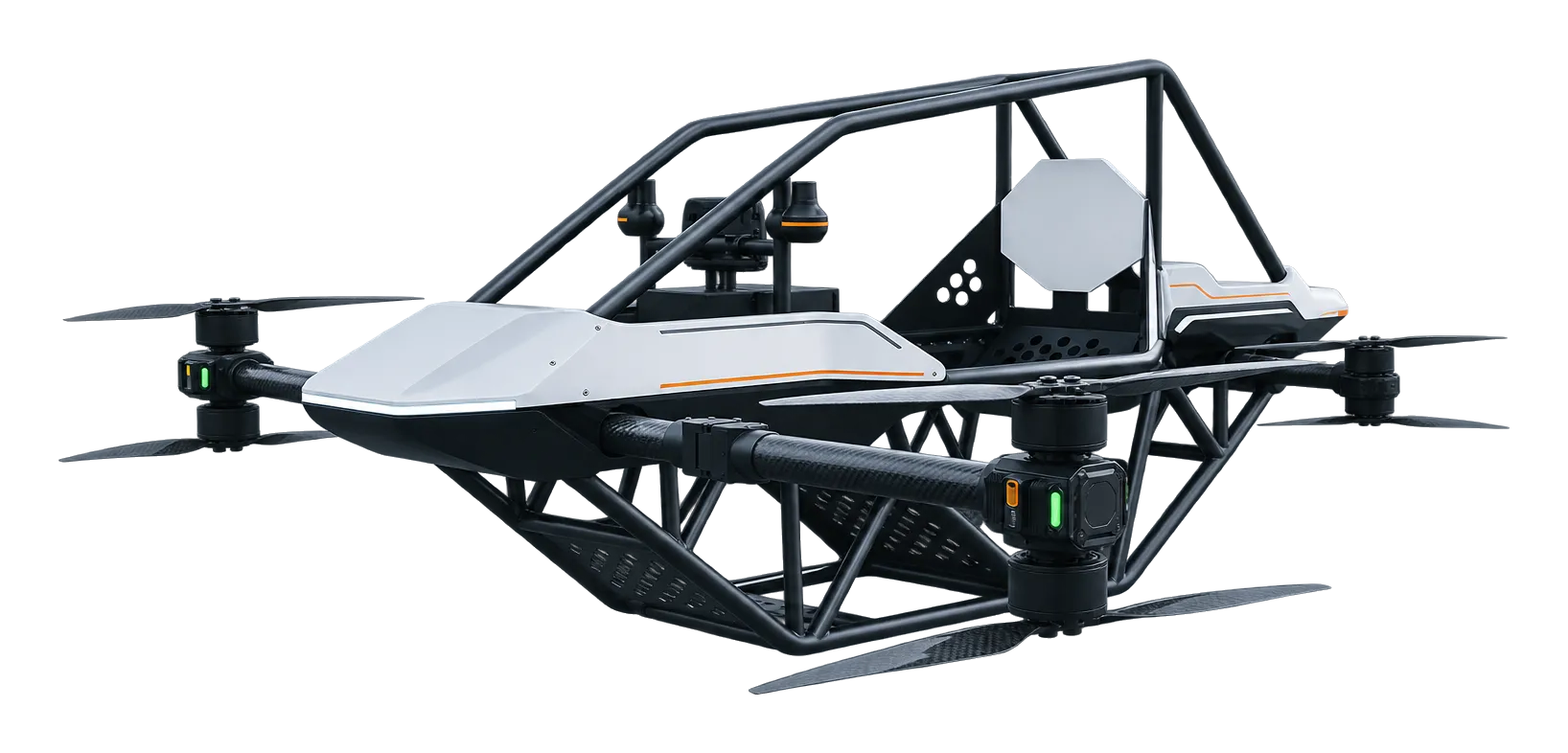
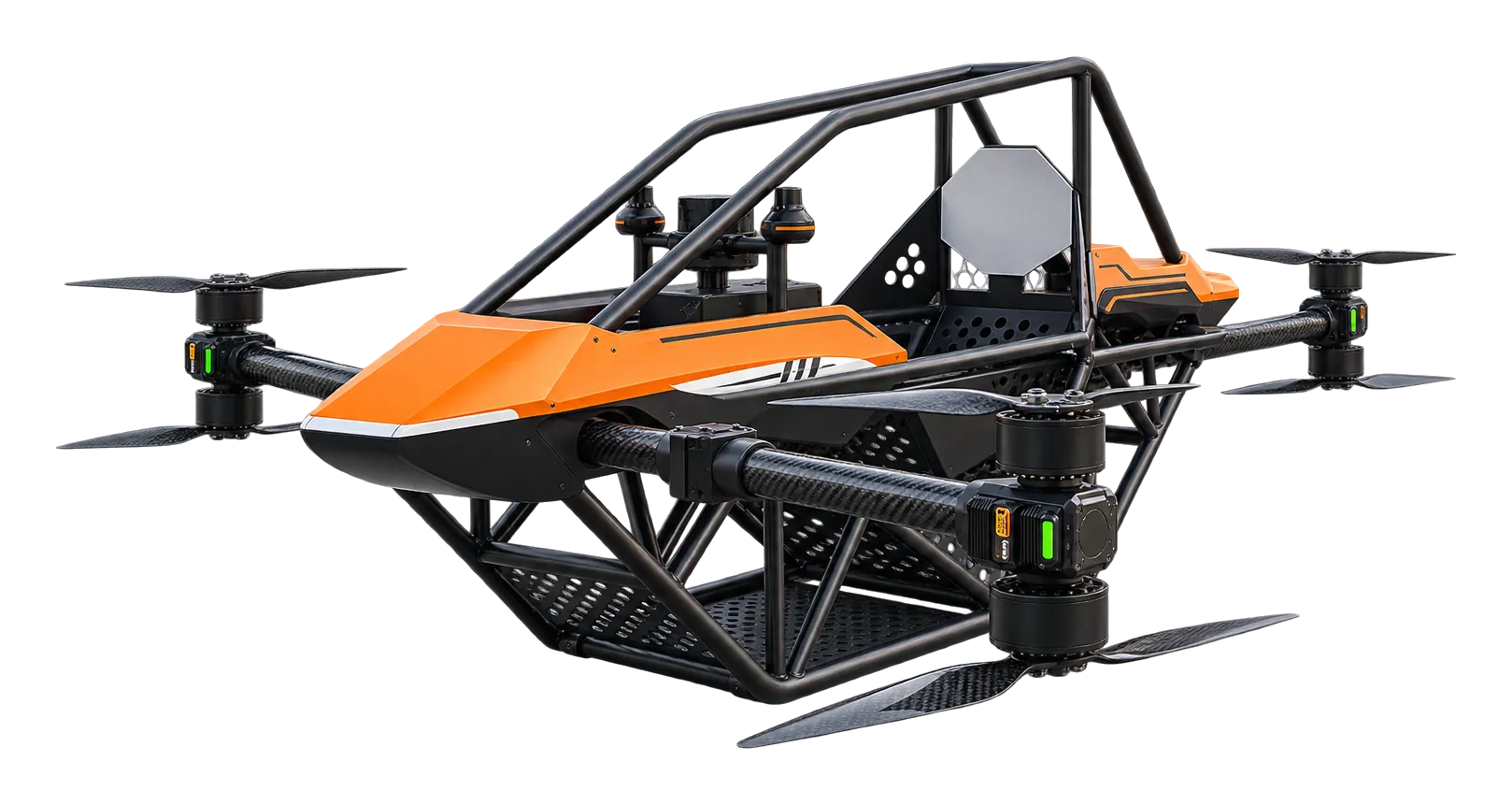
PV-2 Pro Personal Air Vehicle
Demonstration flights, tourism sites and closed-field programmes that want the longest endurance in the PV series.
Specs on requestDetails of PV-2 Pro Personal Air Vehicle

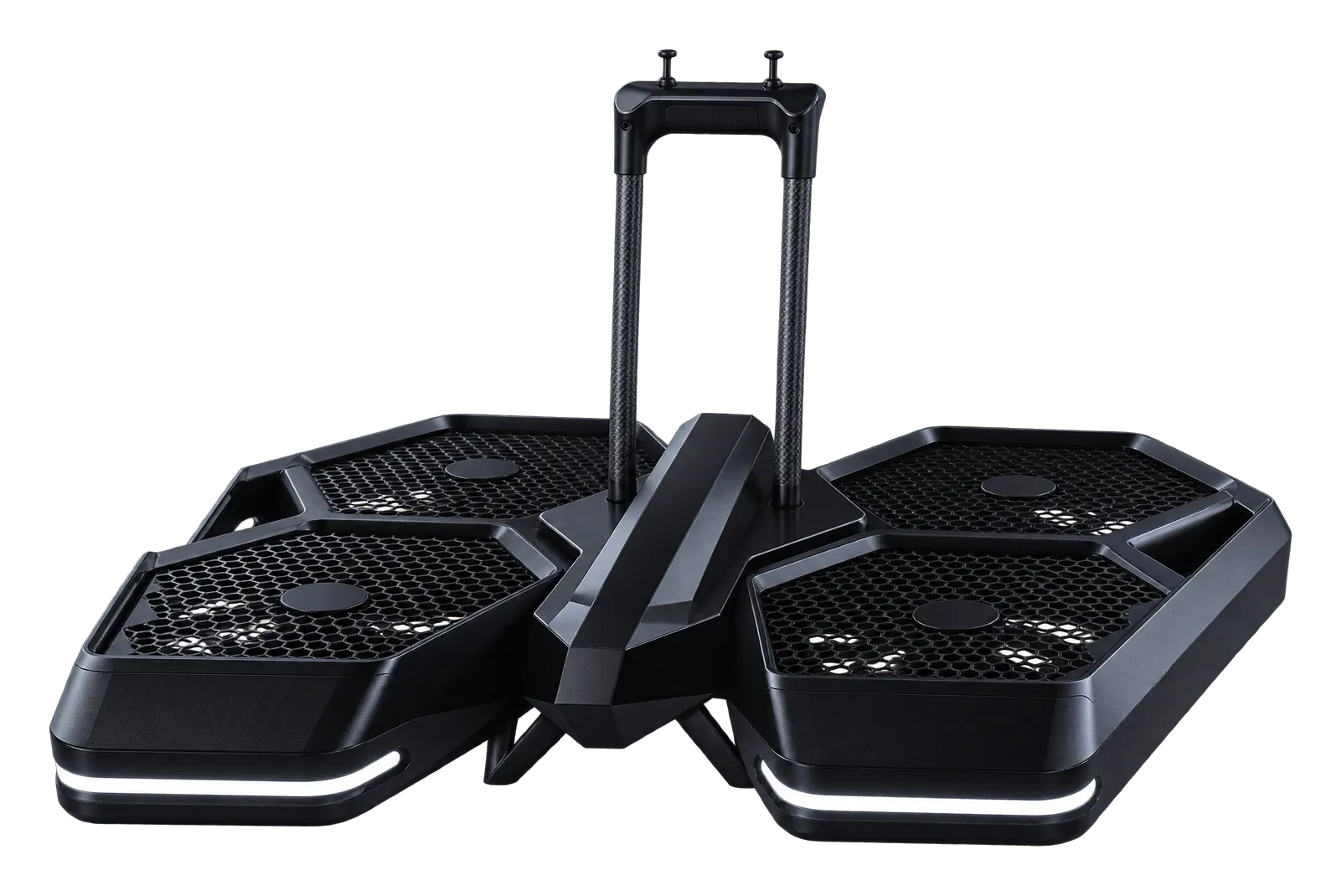
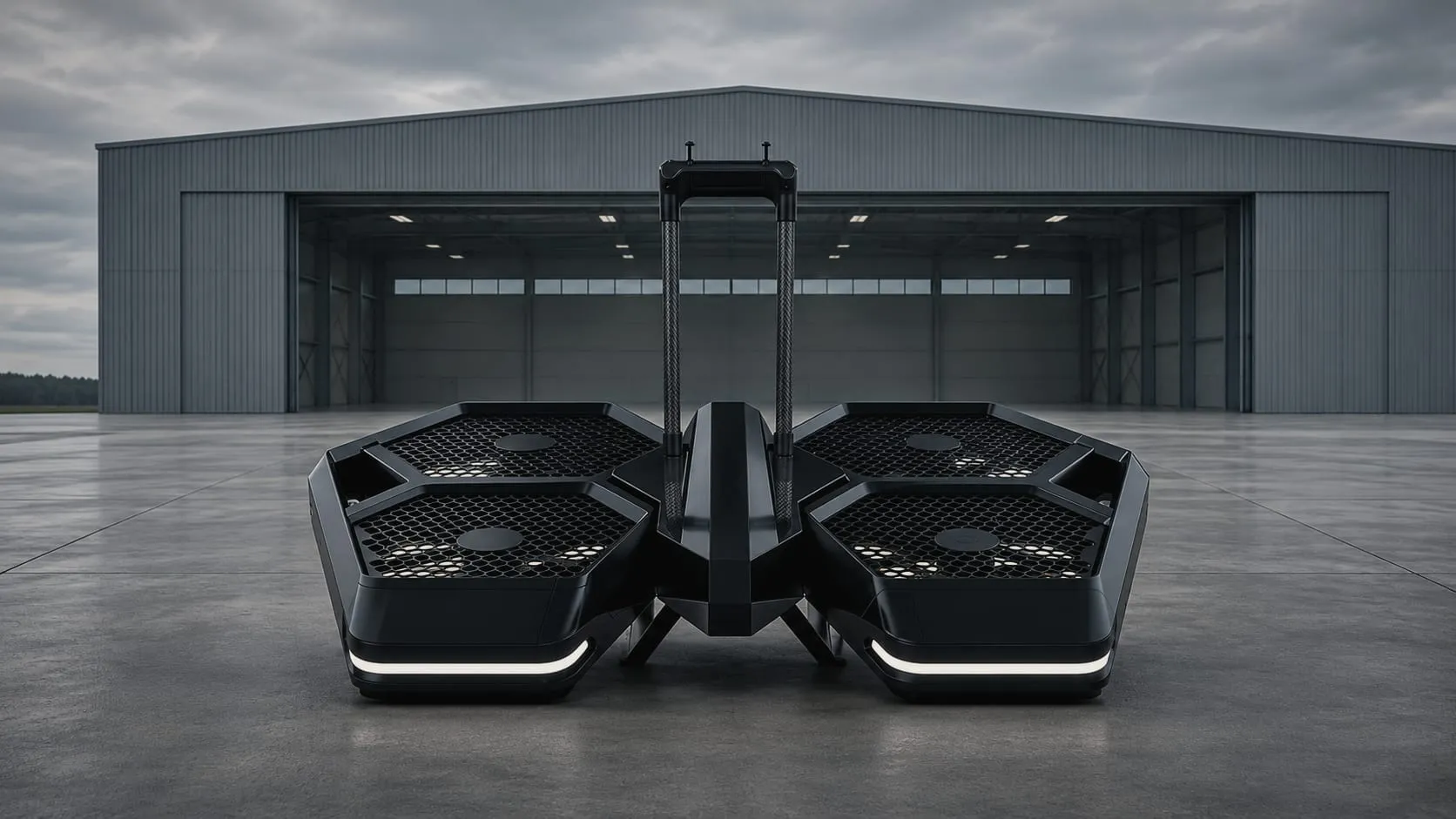
A standing, single-person electric air vehicle with enclosed ducted rotors. Slow and low by design, with side-stick, semi-autonomous and fully autonomous flight modes.
Price range varies with configuration, batteries and order quantity. The final price is on our quotation.
Supplier facts
Made by VEXAFLY Aviation Technology Co., Ltd., Nanjing, China · founded 2016 · customers in 60+ countries · 12-month standard warranty · ISO, CE · OEM / ODM · Partner programme
Best for:Experience flights, exhibitions and closed sites where slow, low flying is the point.
Specs on request · Reference values
Short answer: the PV-U is a standing, single-person electric air vehicle with enclosed ducted rotors. It flies slowly and low — 18 km/h and 5 m in the brochure — with manual, semi-autonomous and fully autonomous modes, which makes it a fit for experience flights and exhibitions rather than travel.
| Mode | What the system does | Typical use |
|---|---|---|
| Side-stick + controller | Rider or operator flies, aircraft stabilises | Trained pilots |
| Semi-autonomous | Holds attitude and position | Experience flights with guidance |
| Fully autonomous | Take-off, route and landing by itself | Shows and repeated demonstrations |
Use a flat, fenced area with a clear take-off pad, a charging point and a spectator line well outside the flight area. Ask your aviation authority early: the rules for this kind of aircraft are still being written in many countries. Compare with the seated PV-2 Pro and PV-2 ST.
Parameters
| Configuration | Quad-rotor multirotor, ducted fans, electric |
|---|---|
| Occupants | 1 |
| Dimensions (incl. propellers) | 3550 × 3550 × 1715 mm |
| Empty weight without / with battery | 107 kg / 164 kg |
| Max payload | 90 kg |
| Max take-off weight | 254 kg |
| Endurance | 15–30 min |
| Max level speed | 18 km/h |
| Service ceiling | 5 m above ground |
| Wind resistance | Level 6 |
| GNSS | GPS, BeiDou, Galileo, GLONASS, QZSS |
| Positioning accuracy | RTK 0.8 cm H / 1.5 cm V; single point 0.4 m H / 0.8 m V |
| Fleet | Multi-aircraft coordination supported |
Reference values from the manufacturer brochure, measured under specific test conditions. Airworthiness, licensing and where you may fly are set by your local aviation authority. Ask for a model recommendation →
Selection
Our engineers check these points with you, so the quotation fits your site rather than a catalogue default.
FAQ
It can be flown with a side-stick and controller, in a self-stabilised position-hold mode, or fully automatically with take-off, landing and a set route. The mode used depends on your programme and your authority’s rules.
The brochure gives 18 km/h top speed and a 5 m service ceiling. It is built for slow, low flights over a defined area.
Protection functions cover low battery, power anomalies, degraded navigation accuracy and data-link loss, according to the brochure. Your site procedure still needs a trained operator on the ground.
No. Each country’s aviation authority decides how such aircraft are classified and where they may fly. We supply technical documents to support your application.
Request a Quote
Tell us the site, the task and the flight rules you work under. An engineer replies with a matched configuration and price.
Best personal eVTOL in 2026 by use: experience flights, private fields, two-seat travel and certified service, with public facts on Jetson, Helix and EH216-S.
eVTOL safety features in 2026: redundancy, parachutes at low height, flight-control protections, IP ratings and standards, with a maker checklist and PV data.
eVTOL tourism in 2026 for site operators: site types, rider limits, permissions, weather go/no-go and a flights-per-day calculation with battery sets.
Demonstration flights, tourism sites and closed-field programmes that want the longest endurance in the PV series.
Shorter demonstration and leisure flights where a lighter, more compact aircraft is easier to move.
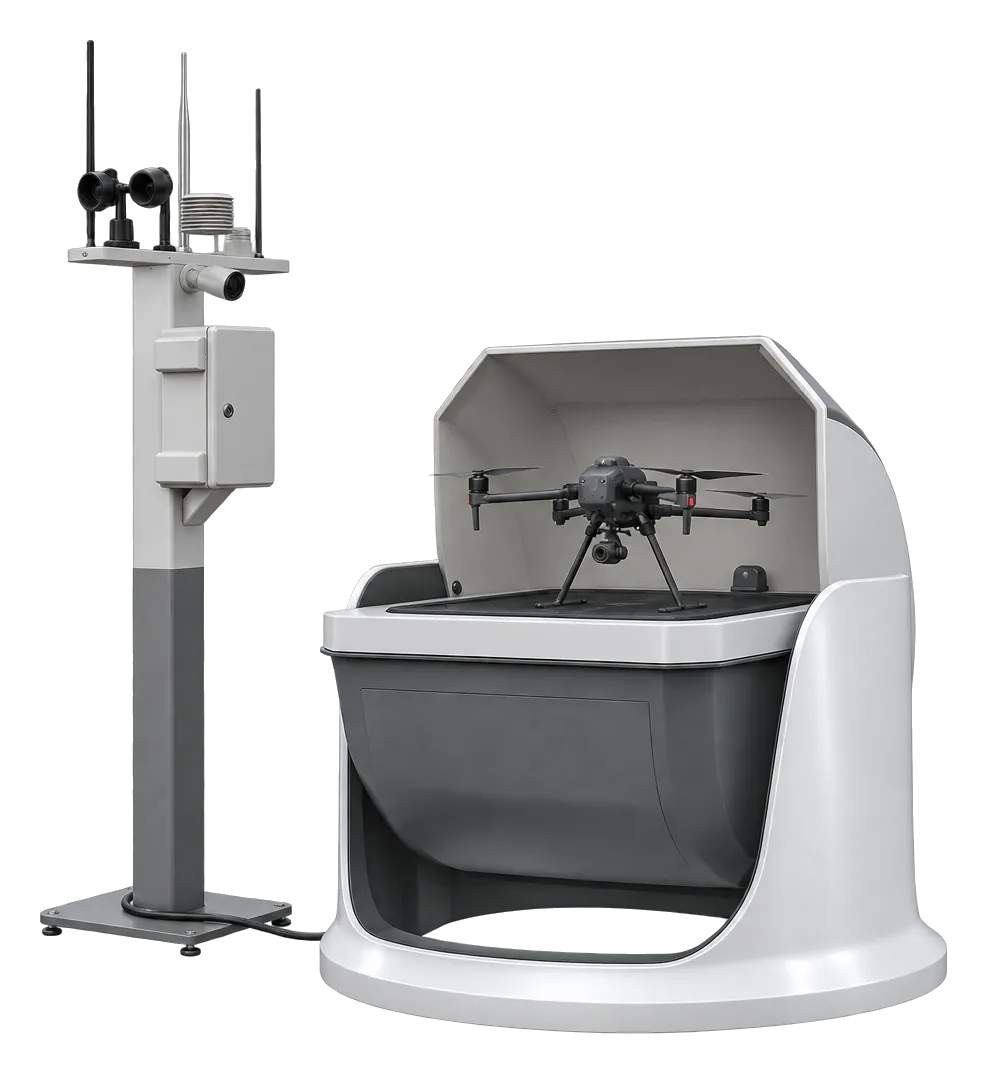
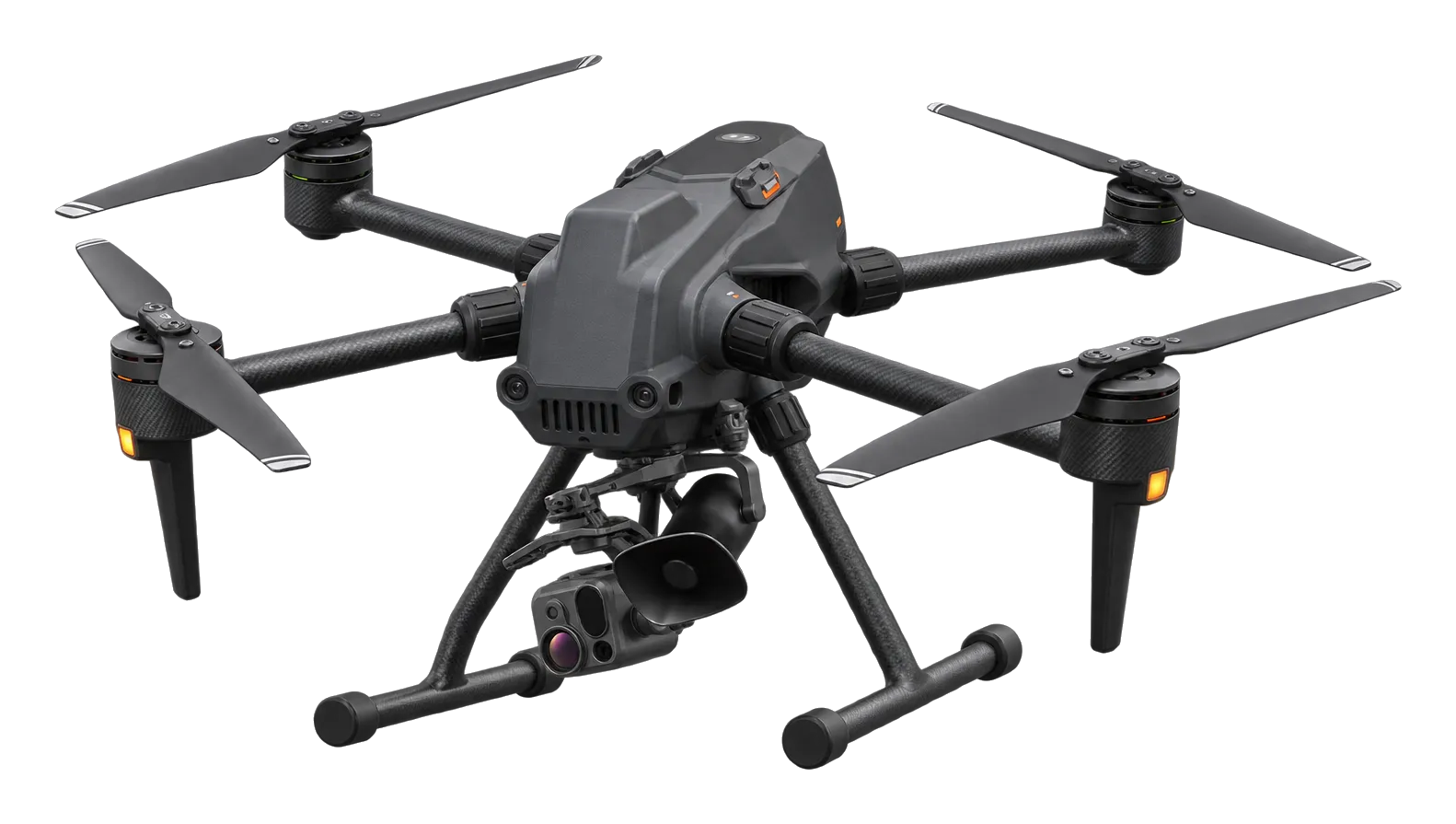
Substations, solar sites, pipelines and industrial parks that need the same inspection flown again and again.
Routine inspection of power lines, substations, solar plants and industrial sites, by hand or from a dock.