Personal air mobility
eVTOL Tourism in 2026: How to Run Experience Flights at a Park, Resort or Lake
eVTOL tourism in 2026 for site operators: site types, rider limits, permissions, weather go/no-go and a flights-per-day calculation with battery sets.
- Author
- VEXAFLY Aviation Technology Co., Ltd.
- Scope
- Personal air mobility
- Published
- Length
- 5 min read · 6 sources
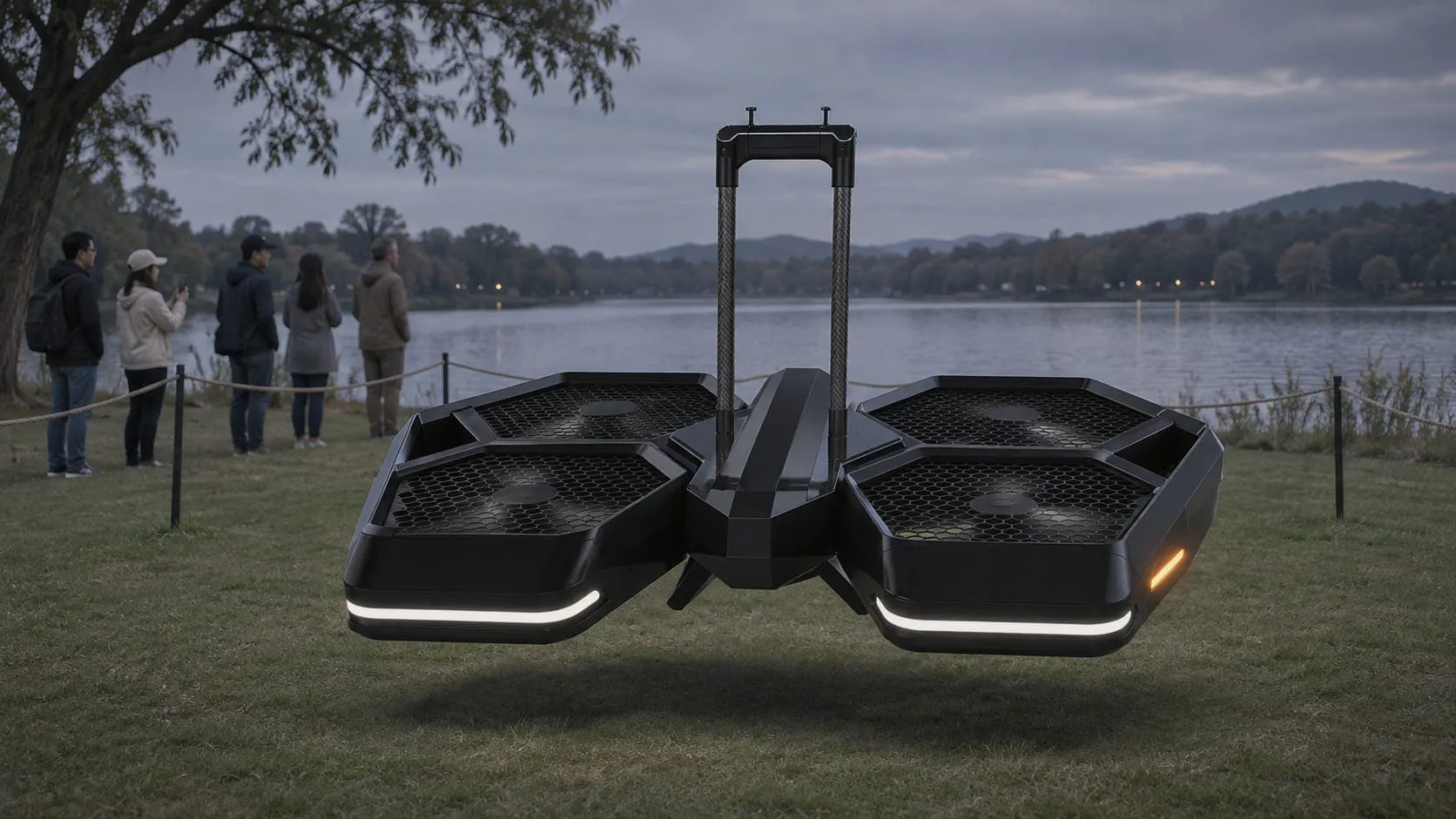
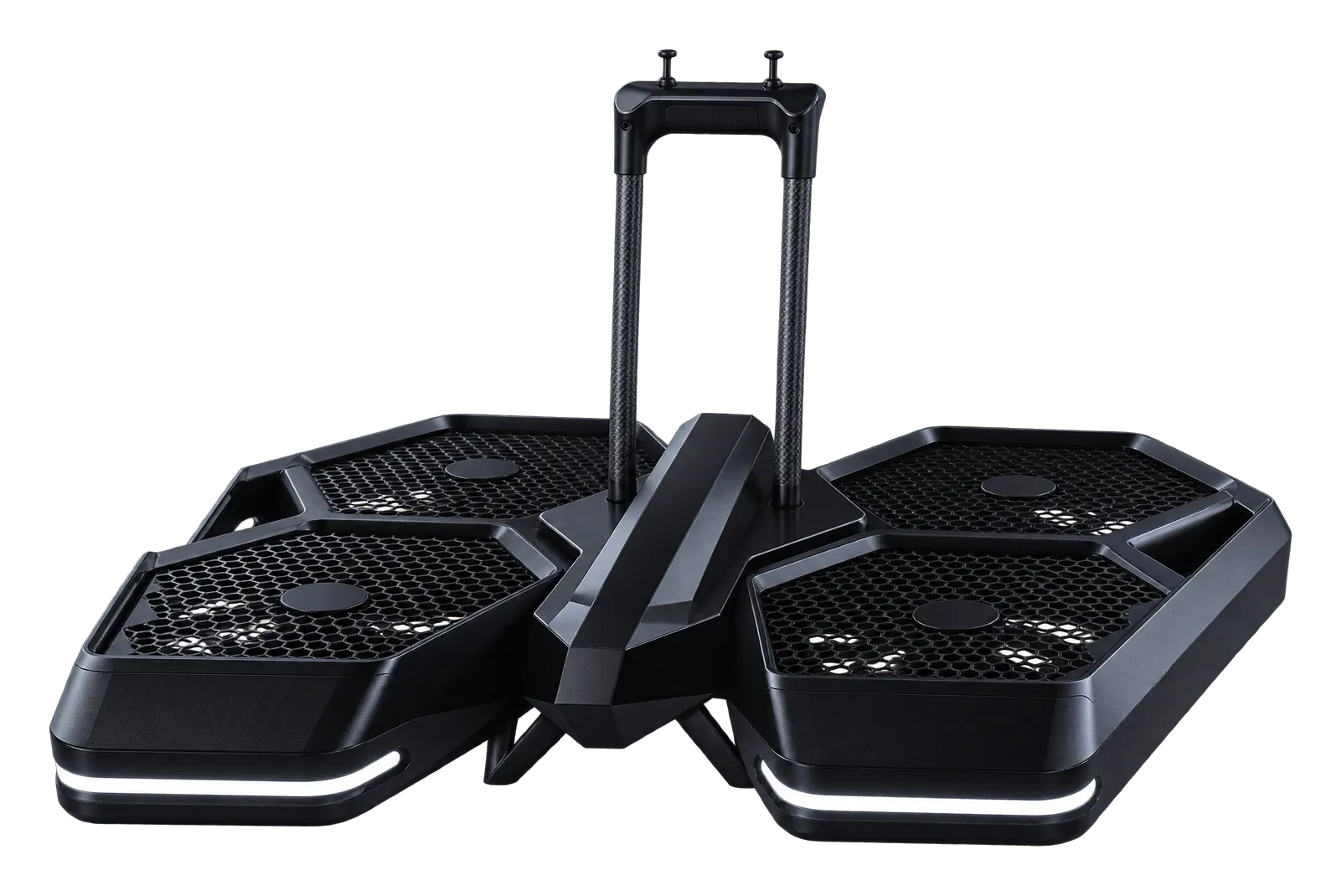
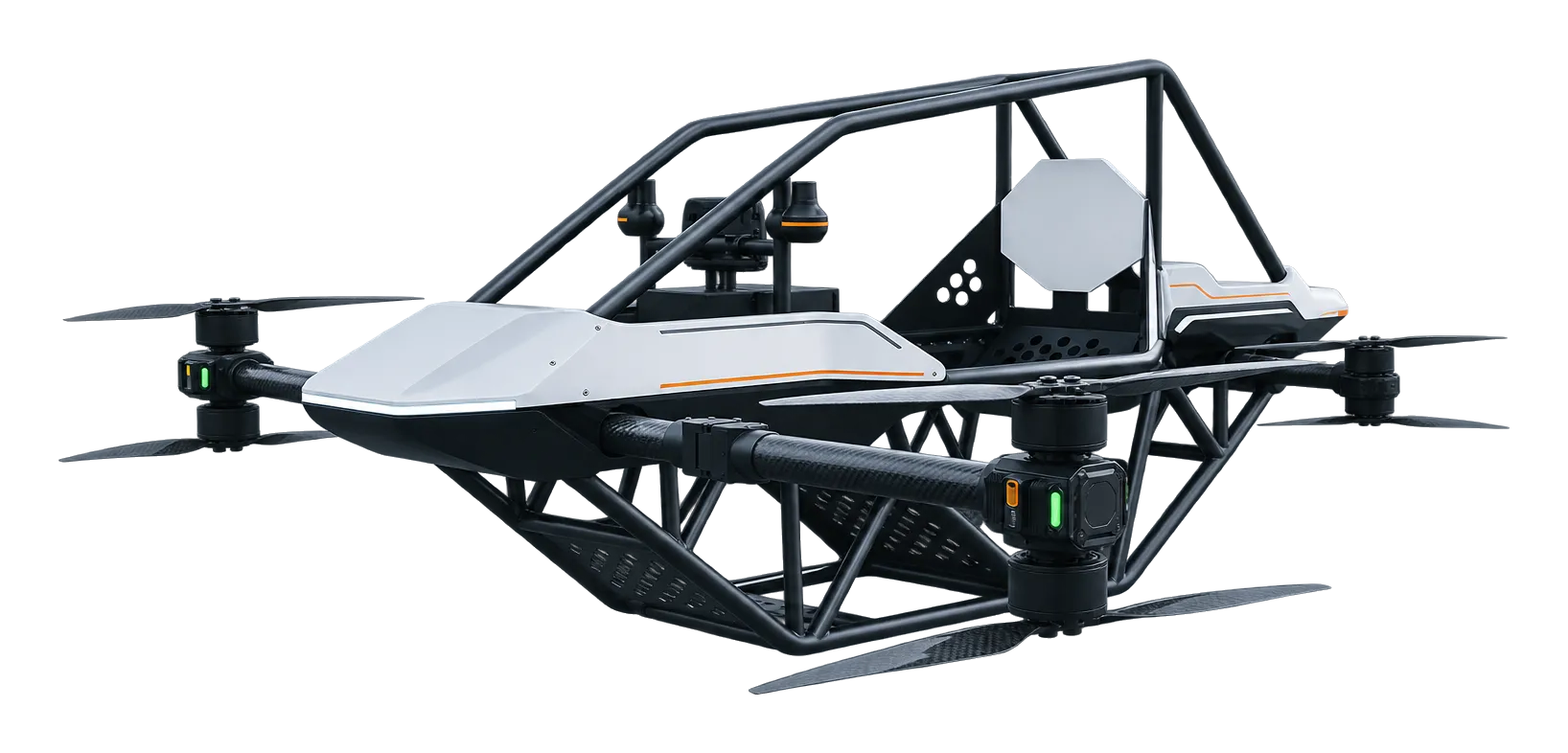
Short answer: in 2026 eVTOL tourism is practical as short, low, supervised experience flights at a fenced site. The standing PV-U (18 km/h, 5 m ceiling) is built for it; the seated PV-2 Pro (40–60 min) suits longer showcase flights. What limits a park is permission, rider weight, weather and battery sets rather than the aircraft, and the example below shows how to size them.
Which site, which aircraft, which permission question?
| Site | Aircraft | Typical flight | First permission question |
|---|---|---|---|
| Lakeside park | PV-U | 6-minute loop at walking pace | May we fly over water and near the public? |
| Resort lawn | PV-U or PV-2 Pro | Hover and a short route in the grounds | How far are guests and buildings from the flight area? |
| Theme park | PV-U | Autonomous route repeated all day | Can the route avoid queues and crowds? |
| Airfield | PV-2 Pro | Longer circuits inside the field | Do the airfield operator and your authority consent? |
| Exhibition forecourt | PV-U or PV-2 ST | Short hover for visitors | Insurance, fencing and a closed area |
What does an experience flight look like today?
LIFT’s centre in Austin, Texas sells a US$199 introductory flight: ground instruction, a VR simulator, then a 5–8 minute solo flight with an instructor on the radio. Geofences and a Beginner mode limit speed and manoeuvres. Riders must be 18 or older and weigh 235 lb (107 kg) or less; flights run in daylight and good weather, with wind up to 25 mph and gusts to 30, and guests are told to allow 2–3 hours. LIFT says it is not selling the HEXA to individuals.
EHang flew Sri Lanka’s first human-carrying eVTOL flights on 11 November 2026, a scenic loop along the Colombo coast that it calls groundwork for future authorised commercial operations. Air-taxi fares are not published, so US$199 is the only checked price for a ride.
Standing or seated for your guests?
Compare on operations, not data sheets:
| Question | PV-U | PV-2 Pro |
|---|---|---|
| Rider weight limit (payload) | 90 kg | 120 kg |
| Flight length | 15–30 min | 40–60 min |
| Control | Side-stick, semi-autonomous or fully autonomous route | Dual-mode controls, on-board touch display |
| Safety systems listed | Enclosed ducted rotors, protections for low battery and link loss | Whole-aircraft parachute, obstacle radar |
| Top speed | 18 km/h | 100 km/h |
What permissions do you need?
- US, Part 103: one occupant, recreation or sport only. LIFT says its paid flights run under it; any other operator needs the FAA’s own view (see the Part 103 guide).
- US, certified aircraft: Part 136 covers sightseeing flights for compensation or hire in an aeroplane, powered-lift or rotorcraft. Under 91.147, nonstop passenger flights for hire that start and end at one airport within 25 statute miles need a Letter of Authorization from the Flight Standards office, plus Part 136 safety rules and drug and alcohol testing. Powered-lift air tours follow Part 136 (194.308).
- China: the first CAAC operator certificates for human-carrying pilotless aircraft came in March 2025.
- Elsewhere: ask your authority for a site-specific permission before you sell a ticket.
What are the rider limits and briefing rules?
These are our suggestions, to agree with your insurer and authority:
- Rider plus gear below the payload: 90 kg for the PV-U, 120 kg for the PV-2 Pro.
- A minimum age (LIFT uses 18) and a signed waiver.
- A scripted briefing, a helmet and a sign-off before every flight.
- Daylight only, with one named go/no-go decision maker on site.
What are the weather go/no-go limits?
| Condition | Brochure or reference | Suggested site rule |
|---|---|---|
| Wind | Level 6 in the brochure; Beaufort 6 is 22–27 knots (11.3–13.9 m/s) | Set a lower limit; LIFT uses 25 mph (11.2 m/s) with gusts to 30 mph (13.4 m/s) |
| Rain | PV-2 ST is rated IP35; no IP rating in the PV-U or PV-2 Pro files | Treat rain as no-fly |
| Visibility and light | Not stated | Daylight and good visibility only |
| Temperature | Not stated | Ask us for battery limits |
The brochure’s level 6 is a maximum, not an operating limit.
Example: how many flights can one aircraft make in a day?
Example only. Assumptions: 7 hours open; 6 minutes airborne per guest; a 10-minute cycle per flight (landing, rider change, briefing, take-off); a 5-minute landing reserve; swappable packs with a 60-minute recharge per set. Swappable packs and the recharge time are our assumptions, not brochure figures, so confirm them with us. PV-U endurance is 15–30 minutes.
| At 15 min endurance | At 30 min endurance | |
|---|---|---|
| Usable time after reserve | 10 min | 25 min |
| 6-minute flights per pack set | 1 | 4 (24 min) |
| Time one set stays in the aircraft | 10 min | 40 min (4 cycles) |
| Set cycle including recharge | 70 min | 100 min |
| Sets needed for a flight every 10 min | 7 (70 ÷ 10) | 3 (100 ÷ 40, rounded up) |
| Flights per day, one aircraft | 6 × 7 = 42 | 42 |
Both cases reach 42 flights before weather. What changes is how many pack sets you buy and charge: 7 or 3. Weather and no-shows will cut the total.
How should the site be laid out?
A fenced flight area with a take-off pad (size and surface), a spectator line outside the downwash, a charging corner away from the pad (charging guide), a briefing area and a first-aid point. Staff: a pilot or operator, a ground marshal, a safety officer and a battery technician. The safety features guide lists what to ask the maker.
Which aircraft for which tourism use?
- Best for first-time riders at parks: the PV-U, with 18 km/h, a 5 m ceiling and an autonomous mode.
- Best for longer showcase flights: the PV-2 Pro, 40–60 min with a whole-aircraft parachute.
- Best for touring between events: the PV-2 ST, which folds to 950 mm wide.
Next step
Send us the site type, opening hours, rider weight range and country. We reply with a flights-per-day sheet showing battery sets and charger load for your programme. Operators who want to open several sites can start from the partner programme; see also the air mobility range.
Q & A
Common questions
01How much will an eVTOL ride cost?
Air-taxi fares are not published. The only price we could check is LIFT's US$199 introductory flight at its Austin centre: training plus a 5–8 minute solo flight.
02How many flights a day can one aircraft do?
In our example, 42 six-minute flights over a 7-hour day with a 10-minute cycle. The real number depends on pack sets, charger power, weather and guest flow.
03What weight limit applies to riders?
Rider and gear must stay under the payload: 90 kg for the PV-U, 120 kg for the PV-2 Pro. LIFT sets 235 lb (about 107 kg) for its aircraft.
04What happens when the weather turns?
You stop and land. Write the wind limit, the rain rule and the decision maker into your site procedure. LIFT refunds or rebooks guests when weather cancels a flight.
05Do guests need a licence?
That depends on the route your authority assigns; Part 103 sets no pilot licence. See our licence guide and ask the authority before selling tickets.
References
- 1Fly HEXA — LIFT Aircraft
- 2HEXA FAQ — LIFT Aircraft
- 3EHang Marks Sri Lanka's First Human-Carrying eVTOL Flights — EHang
- 414 CFR Part 136 — Commercial Air Tours — eCFR (National Archives)
- 514 CFR 91.147 — Passenger-carrying flights for compensation or hire — eCFR (National Archives)
- 6Beaufort wind force scale — Met Office
VEXAFLY Aviation Technology Co., Ltd.. VEXAFLY Aviation Technology Co., Ltd. — industrial drone maker in Nanjing. Our application engineers write and check these pages and configure inspection, cleaning, lift and fire-response systems for project buyers. About VEXAFLY