Market · Site conditions
Drones in Nigeria 2026: NCAA Part 21 Classes, Security Clearance and Site Conditions
Drones in Nigeria in 2026 for industry: NCAA Part 21 classes, the security clearance and End User Certificate, humid heat, pipeline surveys and rice farms.
- Author
- VEXAFLY Aviation Technology Co., Ltd.
- Scope
- Market · Site conditions
- Published
- Length
- 3 min read · 4 sources
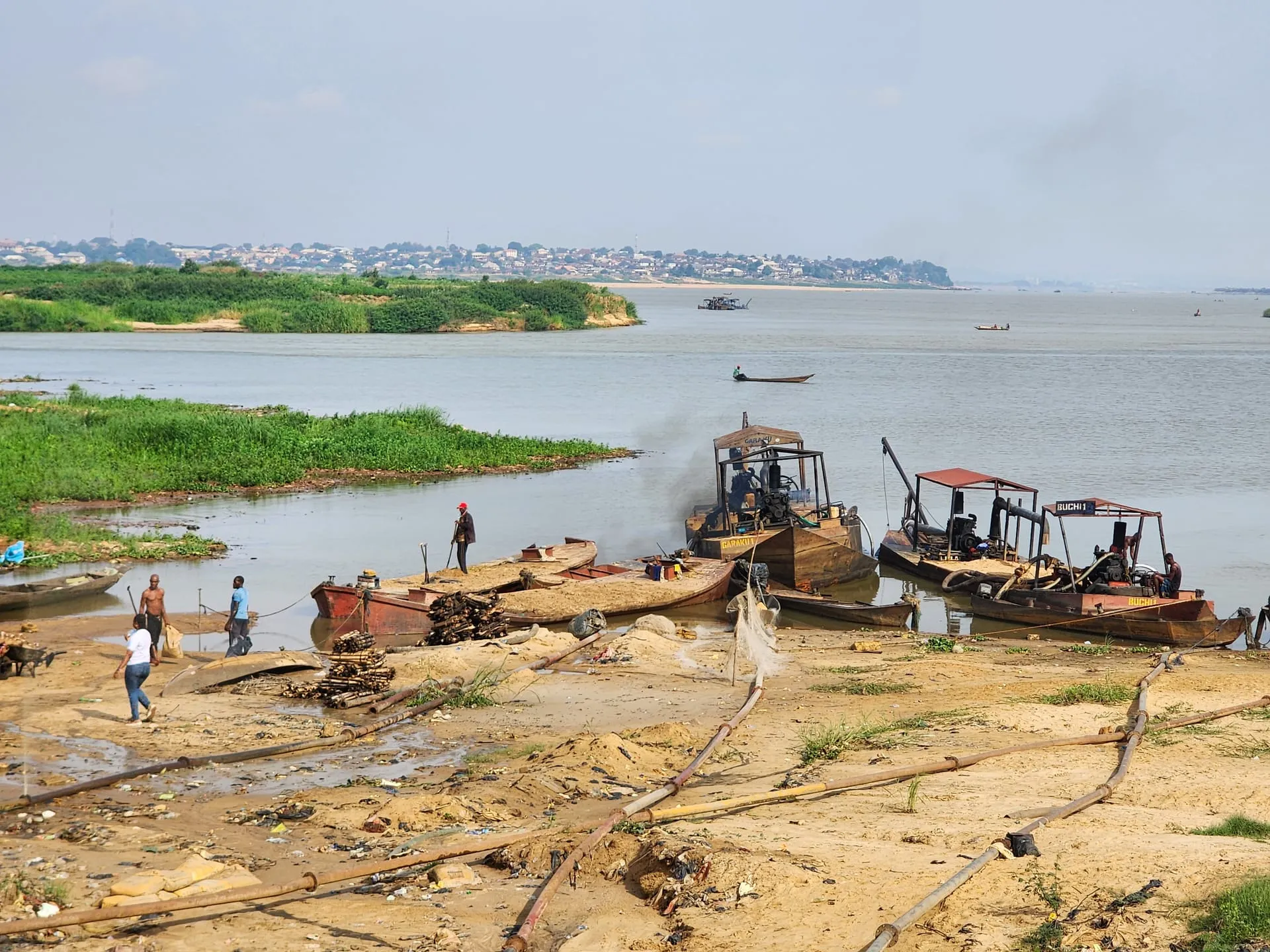
Short answer: drones in Nigeria are regulated by weight class under NCAA Part 21, and the step that takes time is not the aircraft but the Security Clearance and End User Certificate. Plan that first, then choose equipment for humid heat, long rights-of-way and rice and row-crop farms. Everything below describes civil survey, inspection and farm work.
Nigeria site conditions at a glance
| Condition | Figure | What it means for equipment |
|---|---|---|
| Small class | Above 250 g to 25 kg, VLOS, prior authorisation (NCAA Part 21) | IS-4 and IS-9 class |
| Medium and Large | Above 25 to 150 kg and above 150 kg, VLOS or BVLOS with prior authorisation (same document) | AS-30, CW, HL and RX |
| Security | Security Clearance and End User Certificate, and an approved security programme (Part 21.13) | Add months, not days |
| Maintenance | Above 25 kg: approved maintenance organisation or authorised persons | Workshop plan |
| Pipelines | Vandalism incidents rose from 57 in 1998 to over 2,500 in 2008 (ACCORD) | Asset owners need regular surveys |
| Farmland | 79 million ha arable; crops are 85 % of agricultural GDP (FAO) | A large spraying market |
Facts checked on 28 November 2026. The south is humid with a heavy rainy season.
Which NCAA class is your aircraft?
| Model | Weight | Part 21 class |
|---|---|---|
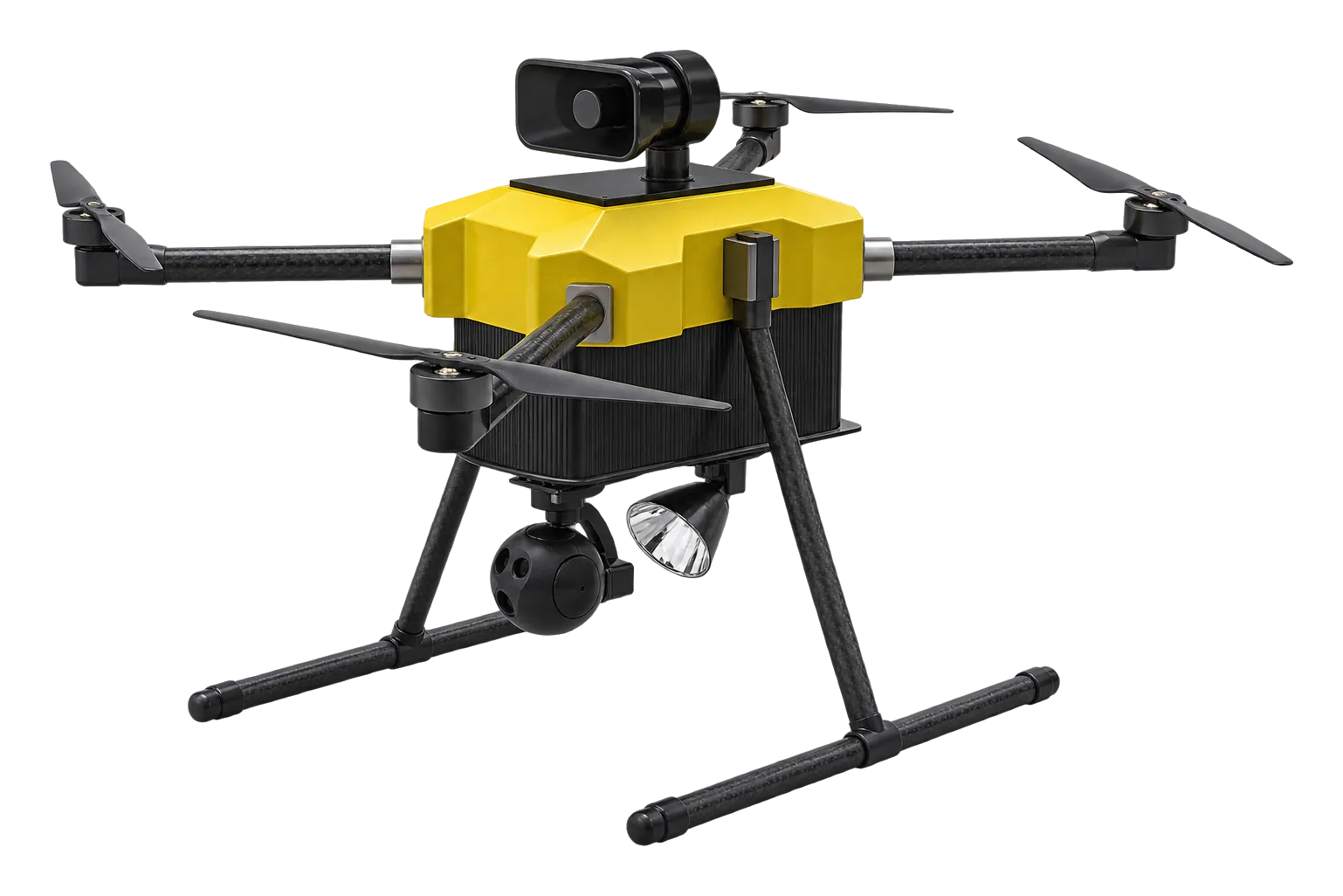
| IS-4 | 7 kg | Small |
| IS-9 | 7.3 kg airframe plus 3–5 kg payload | Small |
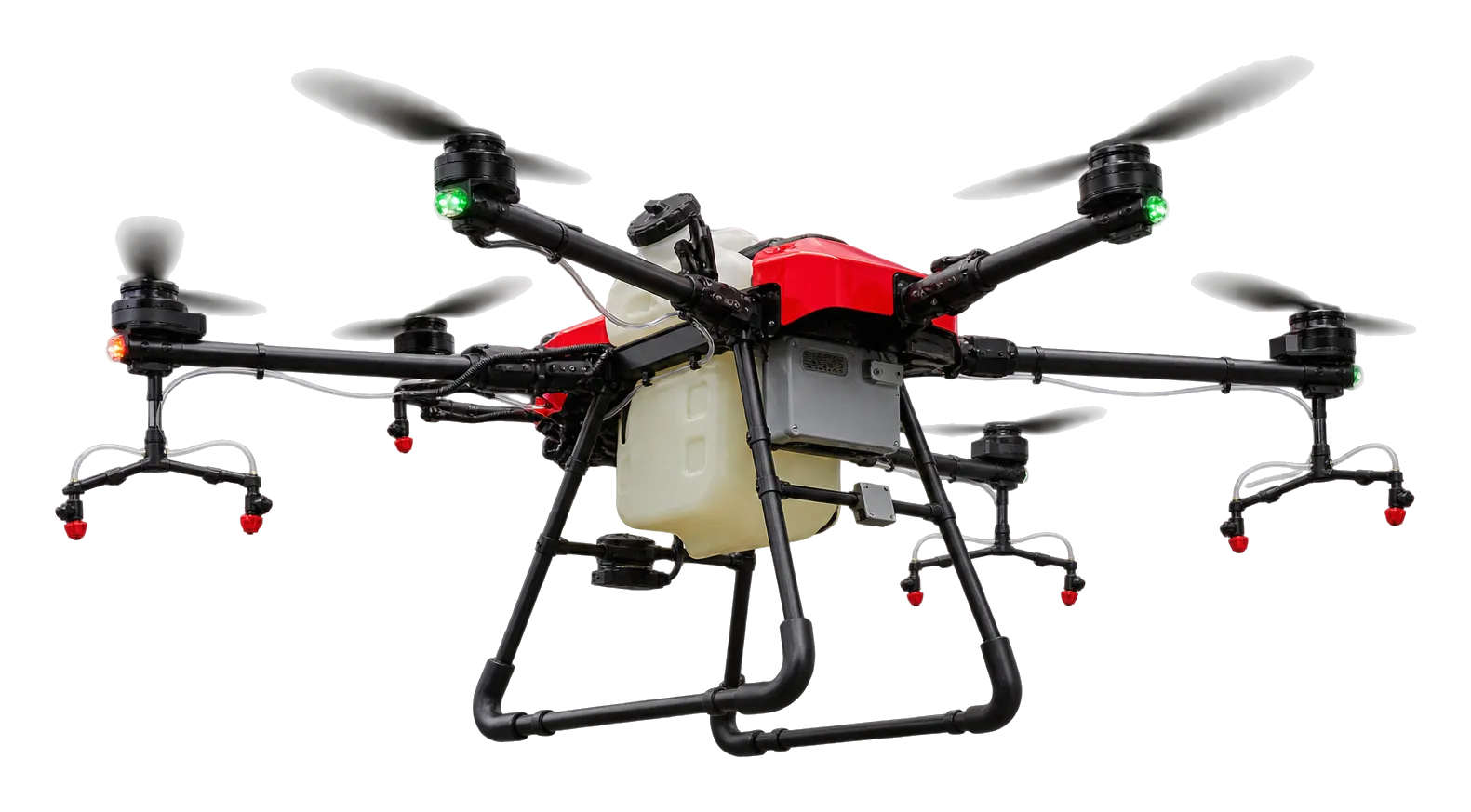
| AS-30 | 68 kg take-off | Medium |
| CW-65 | 111 kg take-off | Medium |
| HL-100 | 60 kg plus 100 kg payload | Large when loaded |
Small does not mean free: prior authorisation applies to every class. The NCAA also lists an RPAS Operator Certificate (21.4); see its Part 21 page.
How long does security clearance take?
No processing time is published, so plan it as the critical path: apply early, name the end user and use, and keep the aircraft shipment behind the paperwork. Start with the import guide.
What does humid heat and rain do to a drone?
Choose a sealed aircraft. The IS-9 and AS-30 are IP67. IP67 means short immersion, not a pressure jet. Rinse after wet or salty work, dry in storage and keep batteries cool; see IP ratings explained.
How do you survey a pipeline or power corridor?
Example (assumptions labelled). The IS-9 with a 3 kg sensor flies 65 minutes in the brochure. At a 10 m/s cruise and 40 % kept for wind, climbs and reserve, usable track is 10 × 60 × 65 × 0.6 = 23,400 m, about 11.7 km out and back from one take-off point. A 50 km corridor needs about 50 ÷ 11.7 ≈ 4.3, so 5 take-off points. Work with the asset owner; this is leak-sign and right-of-way survey only. Read pipeline inspection and power line selection.
What about rice and row crops?
The AS-30 sprays 30 L and spreads 40 L, with 8–12 ha/h quoted by the maker. Tank litres are not payload kilograms, and pesticide rules apply. A service contractor often serves smallholder clusters; see rice paddy spraying drones.
Recommended configurations
| Job | Model | Why |
|---|---|---|
| Right-of-way and leak-sign survey | IS-9 zoom or thermal | 90 / 75 / 65 / 60 / 50 min at 1–5 kg |
| Transmission corridors | IS-9 | IP67, long range |
| Wet rice fields | AS-30 | IP67, spray and spread |
- Best for long corridors: the IS-9, up to 120 minutes, 65 km maximum range in the brochure.
- Best for wet rice fields: the AS-30, 68 kg take-off weight, IP67.
For a neighbour market, see Ghana.
Next step
Send the asset type, route length and end user. We reply with the class table and the document list the clearance may ask for.
Q & A
Common questions
01Which NCAA documents does a Nigerian commercial operator hold?
An RPAS Operator Certificate, an NCAA-approved security programme and a Security Clearance and End User Certificate. Part 21 sets the classes and permissions; read the current text and ask the NCAA about your aircraft.
02What is the weight limit for a small drone in Nigeria?
Small is above 250 g up to 25 kg, flown within visual line of sight with prior authorisation. Medium is above 25 to 150 kg and Large above 150 kg; those can apply for visual or beyond-visual-line-of-sight flights with prior authorisation.
03Do drone operators in Nigeria need security clearance?
Yes. Part 21 requires each applicant to obtain a Security Clearance and End User Certificate from the appropriate security agency. Allow time for it in your project plan.
04Which drone survives humid heat and heavy rain?
Choose a sealed IP67 aircraft such as the IS-9 or AS-30, rinse it after wet work and dry it in storage. IP67 means short immersion, not a pressure jet.
05Can drones survey pipelines in the Niger Delta?
A long-endurance aircraft such as the IS-9 can survey a right-of-way for leak signs with the asset owner. We describe survey and inspection only, and the permissions above come first.
References
- 1Nig.CARs Part 21: Remotely Piloted Aircraft System (RPAS) — Nigerian Civil Aviation Authority
- 2Nig. CARs 2023: Part 21 RPAS — Nigerian Civil Aviation Authority
- 3Oil pipeline vandalism in the Niger Delta — ACCORD
- 4Nigeria at a Glance — FAO
VEXAFLY Aviation Technology Co., Ltd.. VEXAFLY Aviation Technology Co., Ltd. — industrial drone maker in Nanjing. Our application engineers write and check these pages and configure inspection, cleaning, lift and fire-response systems for project buyers. About VEXAFLY