Personal air mobility
Do You Need a License to Fly an eVTOL? 2026 Rules by Aircraft Type and Country
Do you need a license to fly an eVTOL in 2026? A matrix for US Part 103, light-sport, powered-lift, Italy, the UK and the EU, with official links and dates.
- Author
- VEXAFLY Aviation Technology Co., Ltd.
- Scope
- Personal air mobility
- Published
- Length
- 5 min read · 6 sources
Short answer: in 2026 the honest answer to do you need a license to fly an eVTOL is: it depends on the aircraft class your authority assigns. In the US a single-seat ultralight vehicle under Part 103 needs no pilot licence; a light-sport or powered-lift aircraft does. Europe and the UK decide nationally. For every PV aircraft, airworthiness, flight permission and pilot licensing follow your local aviation authority’s rules.
Which licence applies to which kind of eVTOL?
| Aircraft class and place | What the pilot needs | Official source |
|---|---|---|
| US ultralight vehicle (Part 103) | No airman or medical certificate, and no age, knowledge or experience requirement, if every Part 103 condition is met | 14 CFR Part 103 |
| US light-sport aircraft (MOSAIC rule, effective 22 Oct 2025) | A pilot certificate; sport-pilot privileges were widened | Federal Register |
| US powered-lift (winged eVTOL) | A pilot certificate with a powered-lift category rating; alternate paths under SFAR 120 until 21 Jan 2035 | 14 CFR Part 194 |
| Italy, ultralight identification | Registration in the VDS system, pilot qualification and a medical certificate (the Jetson ONE case, as reported by the maker) | Jetson |
| UK microlight | A UK national licence; the CAA microlight definition does not apply to rotorcraft or gyroplanes | UK CAA |
| EU certified VTOL-capable aircraft | VCA type-rating courses under Article 4f of Regulation (EU) 1178/2011 (guidance of 9 July 2025) | EASA |
| China, EH216-S | Pilotless; operators hold CAAC operator certificates, the first in March 2025 | EHang |
When is no licence needed in the US?
Only when the vehicle is a Part 103 ultralight. The vehicle must:
- carry a single occupant, for recreation or sport only;
- hold no airworthiness certificate, US or foreign;
- weigh under 254 lb empty if powered, excluding floats and safety devices meant for deployment in a catastrophe, such as a parachute (batteries are not excluded);
- reach no more than 55 knots calibrated airspeed at full power in level flight, with a power-off stall speed of 24 knots or less.
No licence is not the same as no rules. Part 103 still limits flight to daylight, away from congested areas and open-air assemblies, and out of controlled airspace without authorisation. The Part 103 guide takes this section by section.
Is a multicopter a powered-lift?
On the face of the FAA definitions, no. 14 CFR 1.1 defines a powered-lift as a VTOL aircraft that uses nonrotating airfoils for lift in horizontal flight, and a rotorcraft as one that depends principally on lift from rotors. A wingless multicopter fits neither wording cleanly, and the FAA decides how a given aircraft is classified. SFAR 120 (Part 194, final rule of 21 November 2024) targets winged eVTOL: a commercial applicant may log 35 hours as pilot in command in a powered-lift, up to 15 of them in a Level C or higher full flight simulator.
What did MOSAIC change for eVTOL pilots?
The MOSAIC final rule, published 24 July 2025 and effective 22 October 2025, opened the light-sport category to new propulsion types and simplified flight controls, limited light-sport rotorcraft and powered-lift to two seats, and added sport-pilot privileges including helicopters. The catch for multicopters: in a 16 July 2026 notice the FAA accepted ASTM F3840-26 only for powered-lift light-sport aircraft, “at this time”. Makers state their own expectations: Doroni expects a Sport Pilot Certificate, and AIR ONE lists a private pilot licence plus a type rating, with certification pending.
What licence do you need in Europe and the UK?
Nationally. The UK needs a UK licence for a microlight, and its microlight definition does not apply to rotorcraft or gyroplanes. Italy’s ultralight identification for the Jetson ONE comes with VDS registration, pilot qualification and medical certification. Certified aircraft follow the EU operations package of 10 April 2024. Our Europe rules guide has the detail.
Which licence fits which PV aircraft?
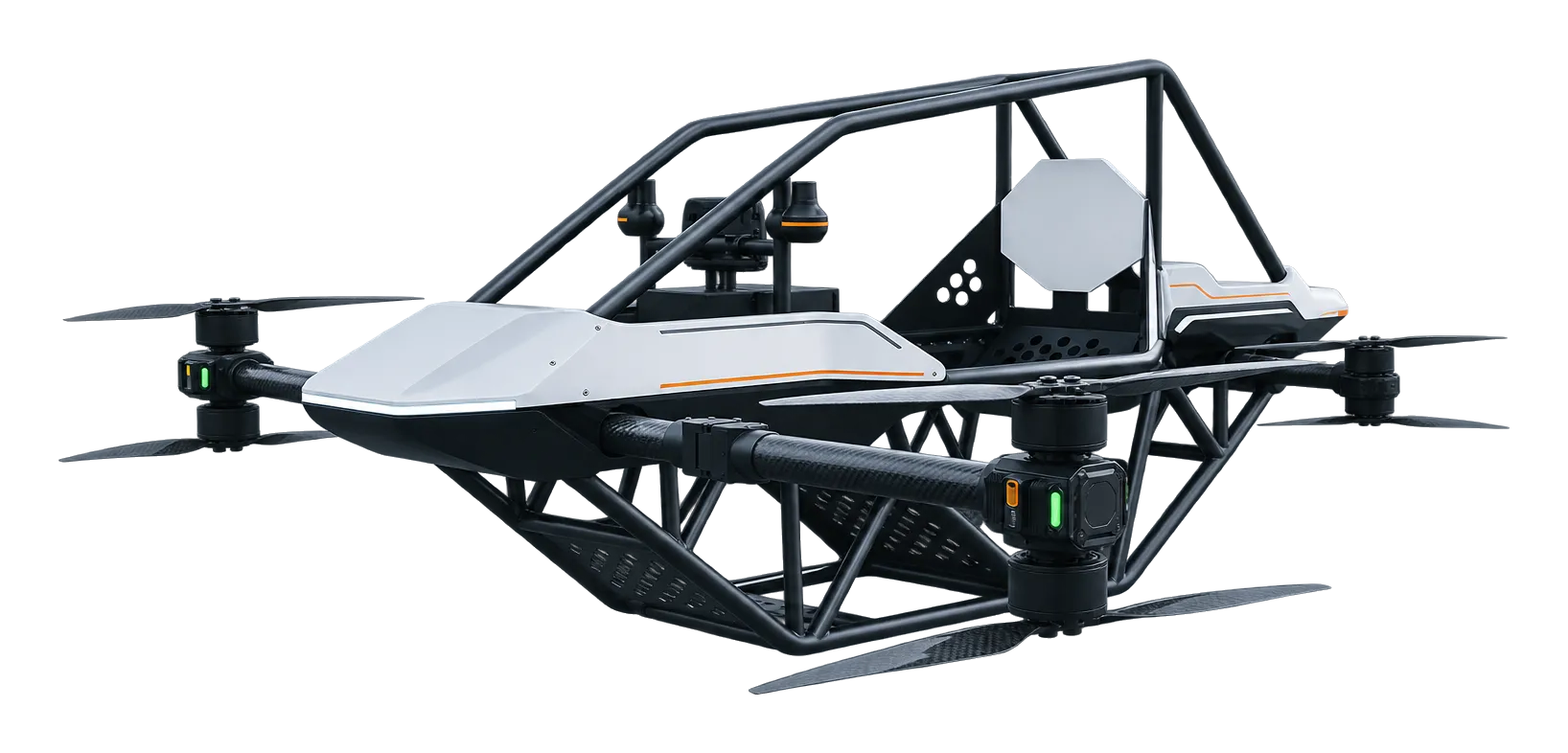
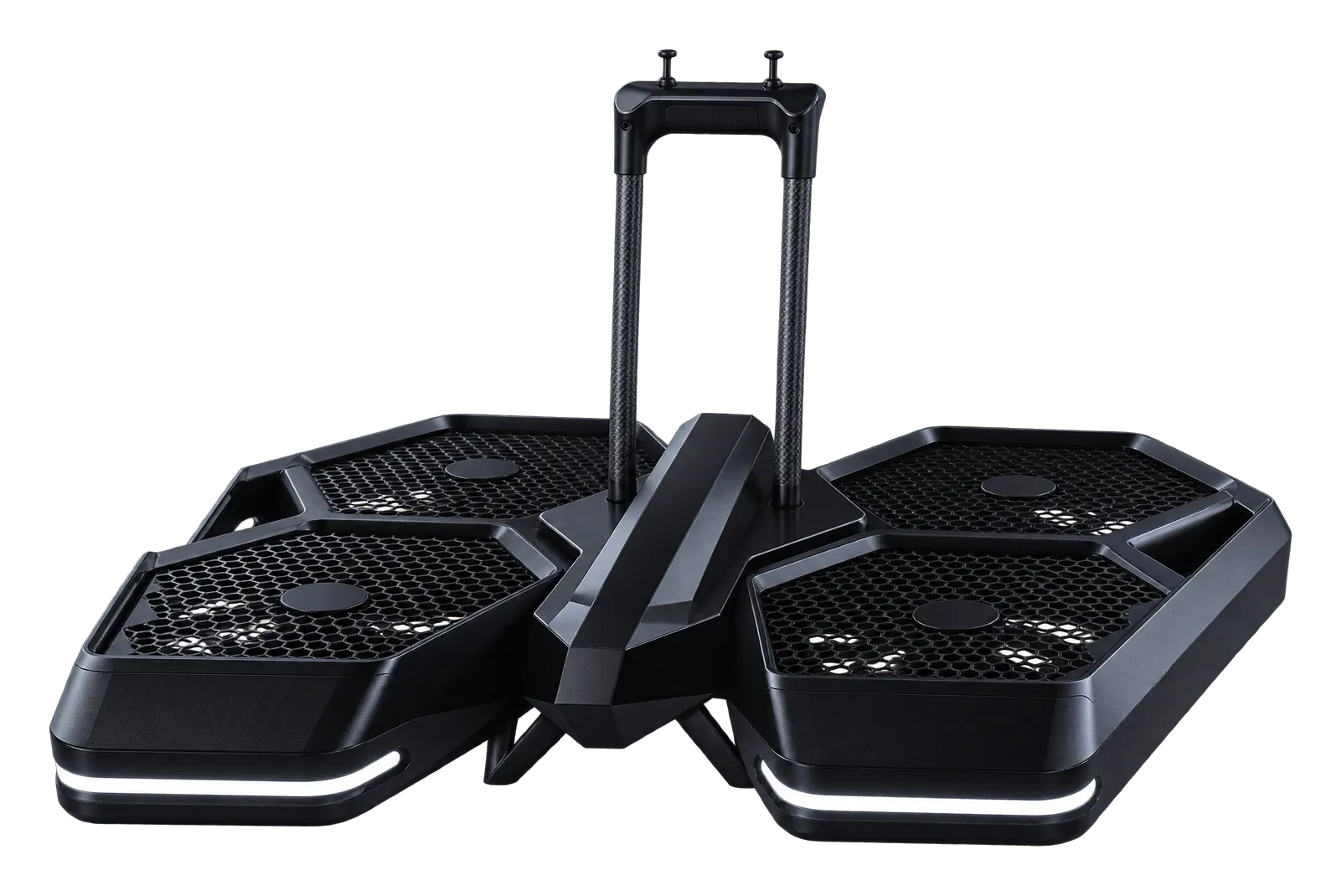
We cannot name one, and neither can any seller: your authority classifies the aircraft. The numbers it will look at differ. The seated PV-2 Pro flies up to 100 km/h at 267 kg take-off weight; the standing PV-U flies at 18 km/h at 254 kg. Both list a 5 m service ceiling.
Example: a buyer in Texas planning private flights
Example only, using brochure figures. A buyer wants to fly a PV-2 Pro on their own land.
- Convert the weight: 147 kg empty with battery × 2.2046 = 324 lb. The Part 103 limit is 254 lb.
- Compare: 324 − 254 = 70 lb over. The parachute can be deducted, but its weight is not in the brochure, so ask.
- On paper this is not a Part 103 candidate. Call the local FSDO and ask which other routes apply, sending the brochure weights, seat count, top speed and purpose.
- Buy nothing until the answer is in writing. The route the FAA names sets the pilot certificate.
Does no licence mean no training?
No. Part 103 sets no knowledge or experience requirement, so a written training plan matters more, not less. LIFT describes about one hour of video, ground instruction and VR simulator before a solo flight. See the pilot training guide.
Which route is best for whom?
- Best for flying without a licence in the US: an aircraft the FAA accepts as Part 103: 254 lb empty, 55 knots, one seat, daylight, recreation only.
- Best for operators who want a certified route: powered-lift under SFAR 120, with alternate hour paths until 21 January 2035; it needs a winged aircraft.
- Best for closed-site programmes outside the US: a site-specific permission from your national authority; see personal eVTOL for sale for the seated and standing options.
Next step
Before paying a deposit, send us your country, intended use and site through the contact form. We reply with the technical documents authorities usually ask for. The air mobility range lists the three PV models.
Q & A
Common questions
01What license do you need to fly an eVTOL?
It depends on the class your aviation authority gives the aircraft. A US Part 103 ultralight vehicle needs none; a light-sport or powered-lift aircraft needs a pilot certificate; Europe and the UK apply national rules. Ask your authority before you buy.
02What aircraft can I fly with no license?
In the US, a single-occupant vehicle that meets every Part 103 limit: under 254 lb empty weight if powered, 55 knots or less, daylight, recreation or sport only. The conditions are strict and the FAA can inspect the vehicle.
03Does the FAA Part 107 drone licence apply?
No. Part 107 covers small unmanned aircraft. An aircraft you sit in falls under other rules, so a drone test or fee does not apply.
04Do I need a medical certificate?
Part 103 sets no airman or medical requirement. Other routes depend on the certificate; Italy asked for a medical for the Jetson ONE. Check with your authority.
05Will a PV aircraft need a type rating?
We cannot say: your authority classifies the aircraft and sets the pilot requirement. We supply the technical documents it asks for and train pilots and technicians on delivery.
06How long does eVTOL pilot training take?
There is no universal figure. LIFT describes about one hour for an experience flight and Doroni expects about 25 hours for a Sport Pilot Certificate; both are maker statements. See our training guide for a site plan.
References
- 114 CFR Part 103 — Ultralight Vehicles — eCFR (National Archives)
- 214 CFR Part 194 — SFAR No. 120, Powered-Lift: Pilot Certification and Training; Operations — eCFR (National Archives)
- 3Modernization of Special Airworthiness Certification (final rule) — Federal Register
- 4Accepted Consensus Standards for Light-Sport Category Aircraft (incl. ASTM F3840-26) — Federal Register
- 5Microlights — UK Civil Aviation Authority
- 6EASA steps up regulatory framework for Innovative Air Mobility — EASA
VEXAFLY Aviation Technology Co., Ltd.. VEXAFLY Aviation Technology Co., Ltd. — industrial drone maker in Nanjing. Our application engineers write and check these pages and configure inspection, cleaning, lift and fire-response systems for project buyers. About VEXAFLY