Personal air mobility
Personal eVTOL for Sale in 2026: Seated or Standing, and Where You May Fly It
Personal eVTOL aircraft for sale in 2026: seated and standing types compared, what buying does and does not allow, site, charging and training needs.
- Author
- VEXAFLY Aviation Technology Co., Ltd.
- Scope
- Personal air mobility
- Published
- Length
- 3 min read · 3 sources
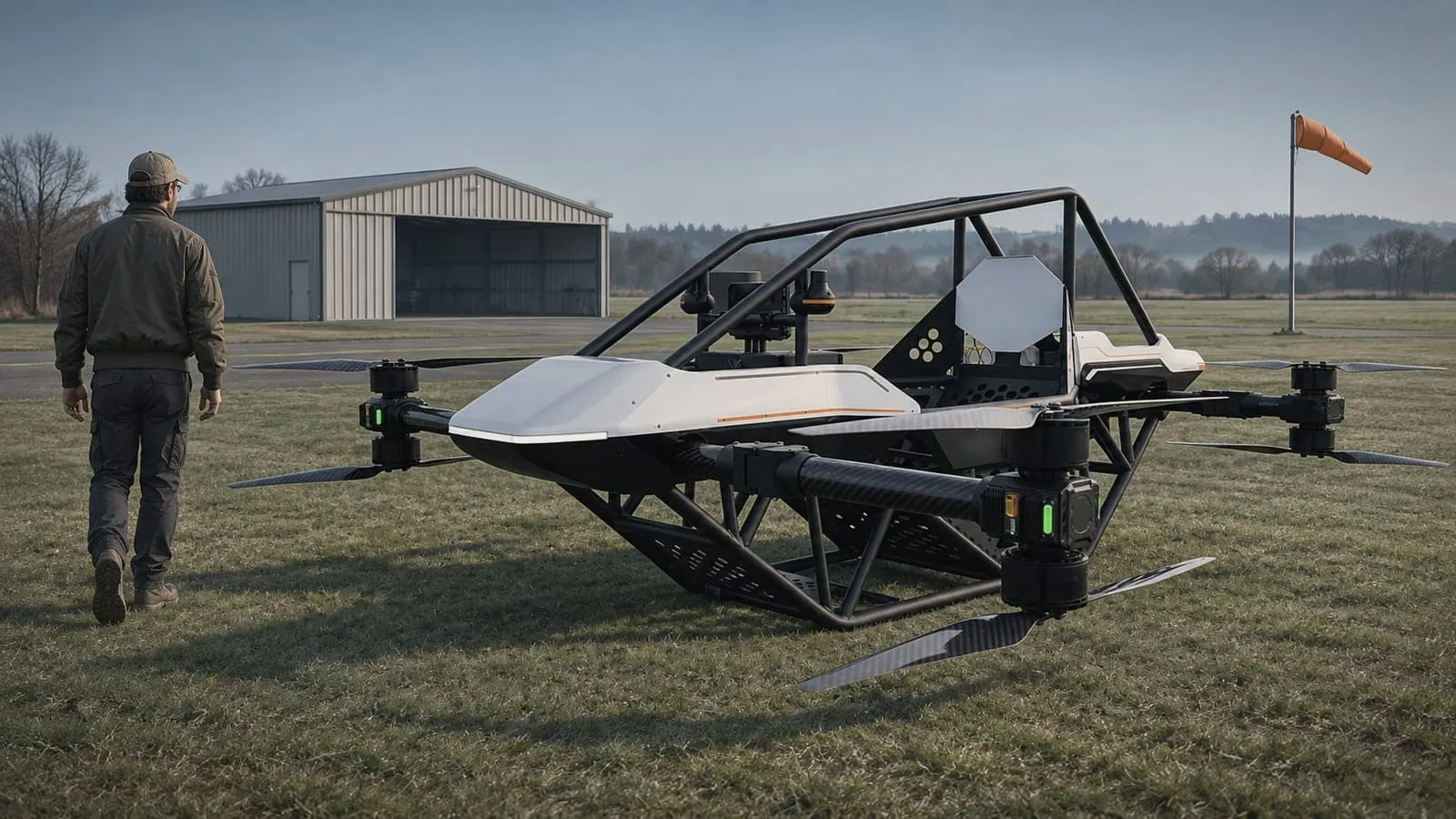
Short answer: yes, personal eVTOL aircraft are for sale in 2026, mostly single-seat multicopters. Buying one does not by itself give you the right to fly it: airworthiness, pilot licensing and where you may fly are set by your local aviation authority. Seated models fly faster and longer; standing models are slow and low by design. Most buyers today are tourism sites, event organisers and research teams.
Seated or standing?
| Question | Seated (PV-2 Pro, PV-2 ST) | Standing (PV-U) |
|---|---|---|
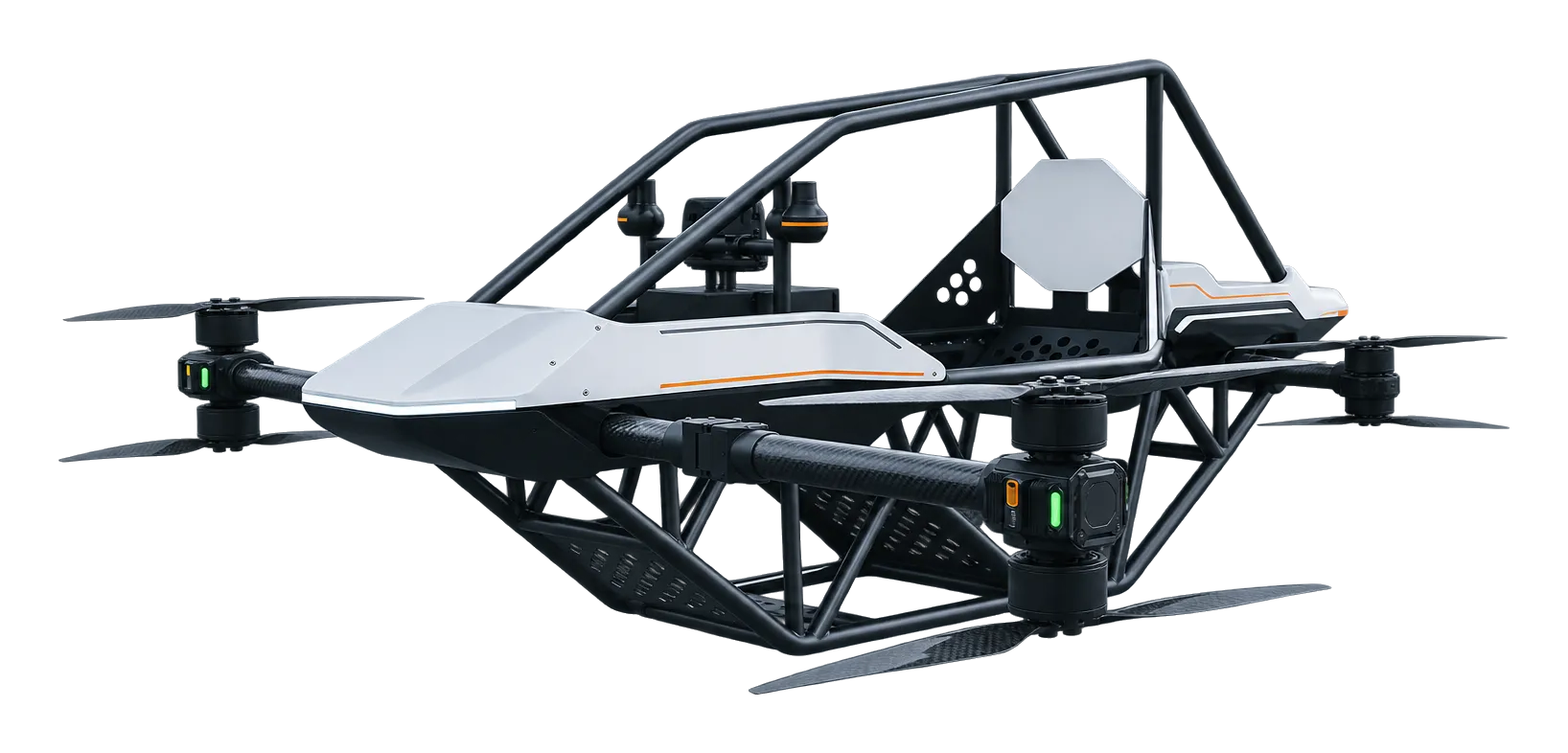
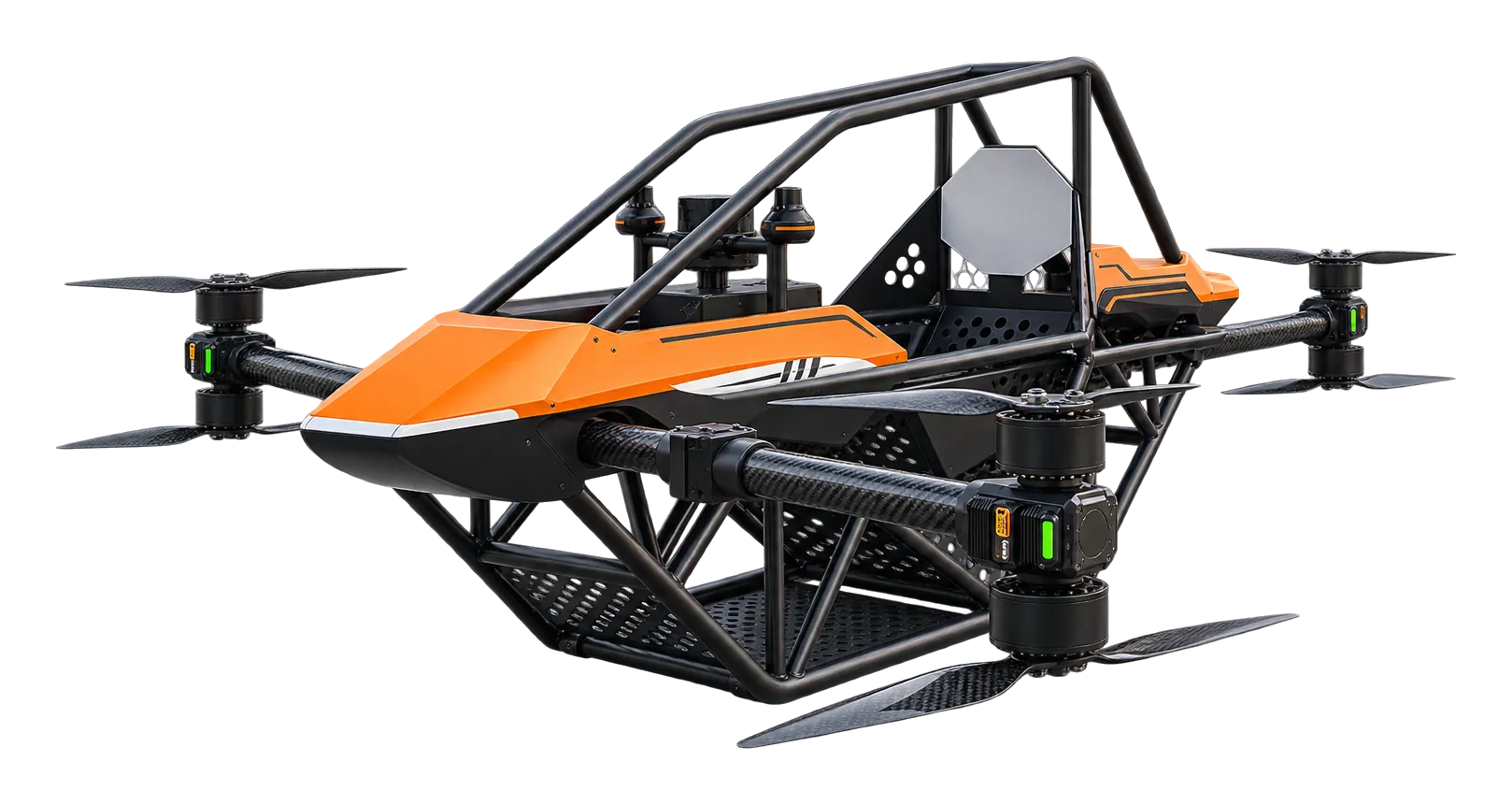
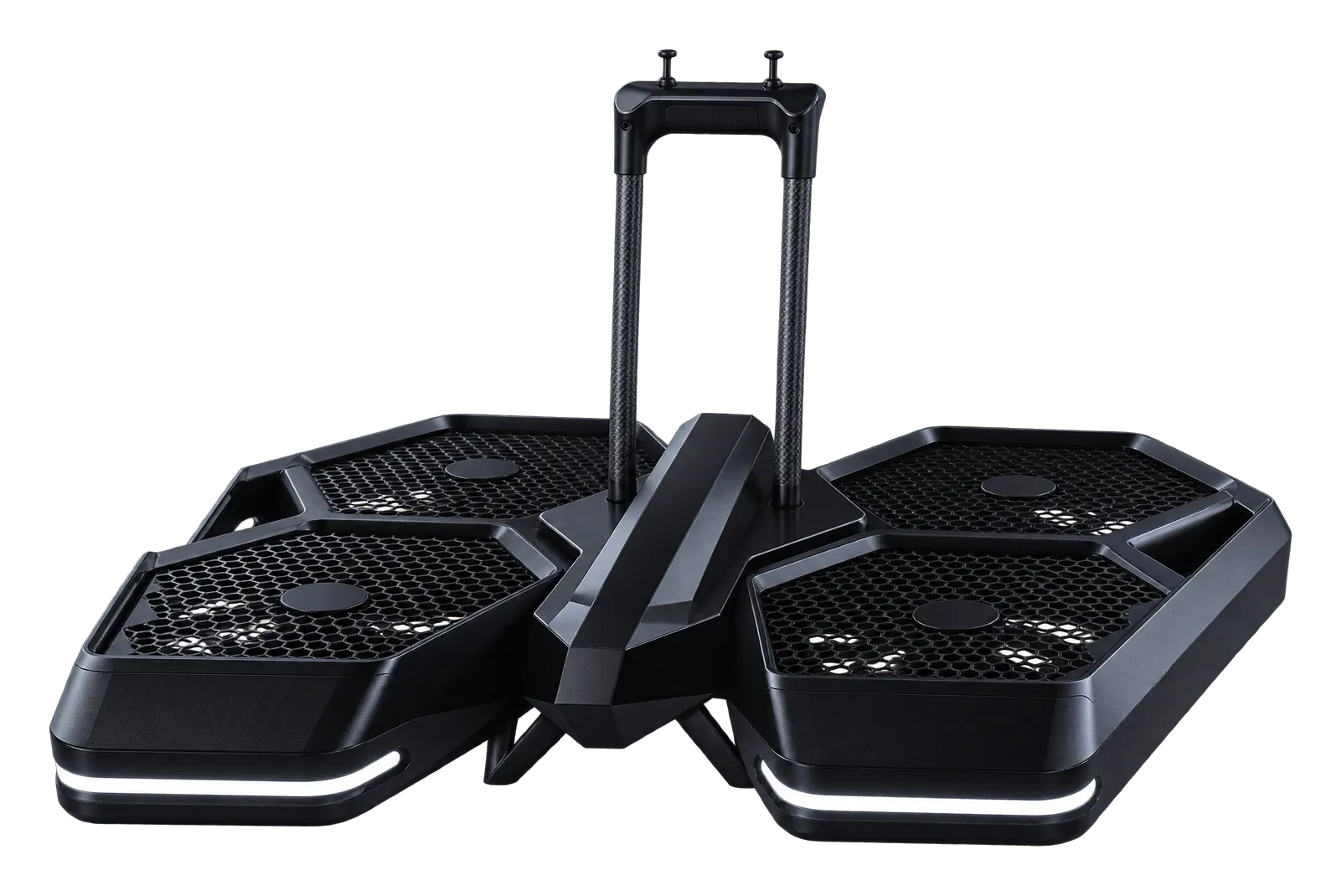
| Layout | Single seat, coaxial quad-rotor | Rider stands, enclosed ducted rotors |
| Speed | Up to 100 km/h (brochure) | Up to 18 km/h |
| Endurance | 40–60 min (Pro), 25 min (ST) | 15–30 min |
| Max take-off weight | 267 kg (Pro), 209 kg (ST) | 254 kg |
| Feel | Like a small aircraft | Like a slow, guided platform |
| Best for | Leisure flying over a defined area, demonstrations | Experience flights at parks, exhibitions |
Best for tourism experience flights: the standing PV-U, because it is slow and low with semi-autonomous modes. Best for demonstrations and leisure flying: the seated PV-2 Pro, with a whole-aircraft parachute as standard.
Can you legally fly it?
This is the question that matters, and the answer is local. Three examples of how rules differ:
- United States: Part 103 covers single-occupant ultralight vehicles used for sport or recreation, with limits including 254 lb (115 kg) empty weight and 55 knots top speed, daylight only and no flights over congested areas. Aircraft outside those limits need another route. Compare any aircraft’s figures with the rule and confirm with the FAA; we do not claim any PV model qualifies.
- European Union: single-seat electric aircraft are handled nationally for ultralight classes or through EASA for certified aircraft; ask your national authority.
- Elsewhere: many authorities allow such aircraft only at approved sites or under special permission.
Our position for every PV aircraft: airworthiness, flight permission and pilot licensing follow your local aviation authority’s rules.
What else do you need besides the aircraft?
- A site: a level pad and a flying area cleared of people, buildings and power lines.
- Charging: a suitable power supply; plan for one aircraft charging while another flies at busy sites.
- Training: flight training for every pilot or rider, plus maintenance training for ground crew.
- Insurance: liability cover for the site and the flights.
- Transport: a trailer or van; the PV-2 ST folds to a compact size.
Worked example: a tourism site
Example only, assumed figures. A lakeside park plans 20-minute experience slots with the standing PV-U. Each flight uses about 10 minutes in the air and 10 minutes for briefing and swap. With two aircraft, one flying and one charging, the park can run about 3 flights per hour during opening hours, if charging keeps pace. Confirm charging time, weather limits and the permission your authority grants before setting ticket prices.
How much does it cost?
Reference FOB ranges are on each product page; our passenger drone price guide compares single-seat, standing and certified two-seat aircraft. For a market overview, see Chinese eVTOL makers you can buy from.
Next step
Tell us the site, the country and how you plan to use the aircraft through the contact form. We reply with the right model, a reference price and the documents we can provide for your authority’s review.
Q & A
Common questions
01Can I buy an eVTOL in the USA?
Single-seat eVTOL aircraft are sold to private buyers in the US. Whether you may fly one, and how, depends on whether it fits the ultralight rules (Part 103) or needs another certification route. Confirm with the FAA before ordering.
02Do you need a license to fly an eVTOL?
It depends on the aircraft category and the country. Some ultralight-class aircraft need no pilot licence in some countries; certified aircraft do. Your local aviation authority decides.
03How much is a personal eVTOL?
Public listings range from about US$26,000 for basic single-seat aircraft on B2B platforms to over US$100,000 for better-equipped models; certified two-seat passenger aircraft are priced around US$410,000 and up. See our passenger drone price guide.
04What is the most affordable eVTOL?
The cheapest are basic single-seat multicopters sold through B2B platforms. Check what is included — parachute, charger, training — and what documents come with it before comparing prices.
05Where can I fly it?
Usually over a defined, closed area away from people and buildings, in daylight and good weather. Your aviation authority sets the exact limits.
References
- 114 CFR Part 103 — Ultralight Vehicles — Electronic Code of Federal Regulations
- 2Jetson ONE order page — Jetson
- 3EHang sets US$410,000 suggested retail price for EH216-S — EHang
VEXAFLY Aviation Technology Co., Ltd.. VEXAFLY Aviation Technology Co., Ltd. — industrial drone maker in Nanjing. Our application engineers write and check these pages and configure inspection, cleaning, lift and fire-response systems for project buyers. About VEXAFLY