Firefighting
Firefighting Drones for High-Rise Buildings in 2026: Hose-Fed, Pods or Scouting?
How fire services use drones on high-rise buildings in 2026: hose-fed water delivery, extinguishing pods and scouting drones, what each needs and how to choose.
- Author
- VEXAFLY Aviation Technology Co., Ltd.
- Scope
- Firefighting
- Published
- Length
- 3 min read · 3 sources
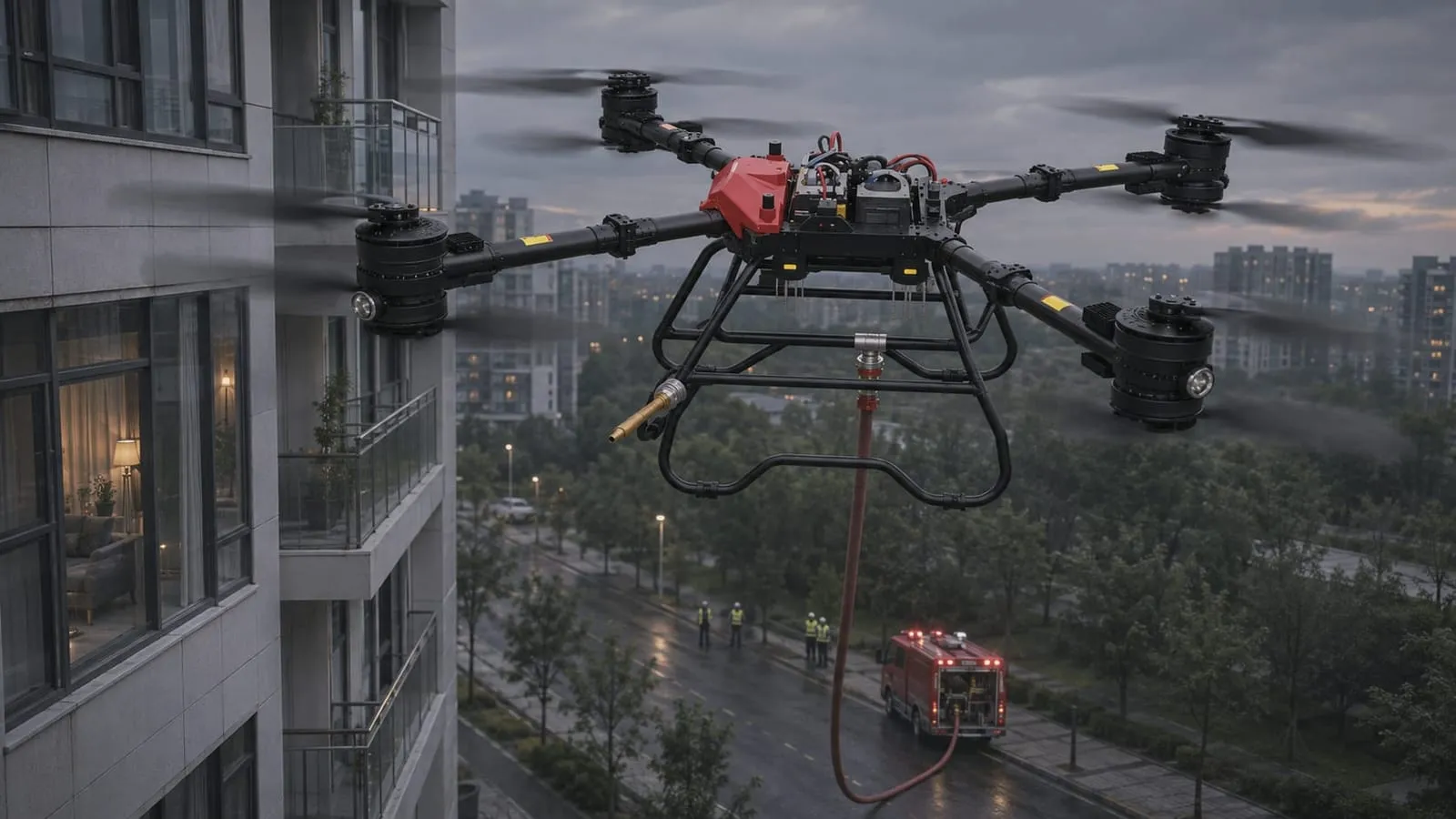
Short answer: in 2026 fire services use drones on high-rise buildings in three ways: scouting with thermal cameras, hose-fed water delivery from the ground, and extinguishing pods dropped onto roofs or hard-to-reach areas. Most services start with scouting drones, then add a heavy firefighting drone for hose or pod work once crews, procedures and approvals are in place.
Three tasks, three setups
| Task | What the drone does | Typical aircraft | Needs on scene | Best for |
|---|---|---|---|---|
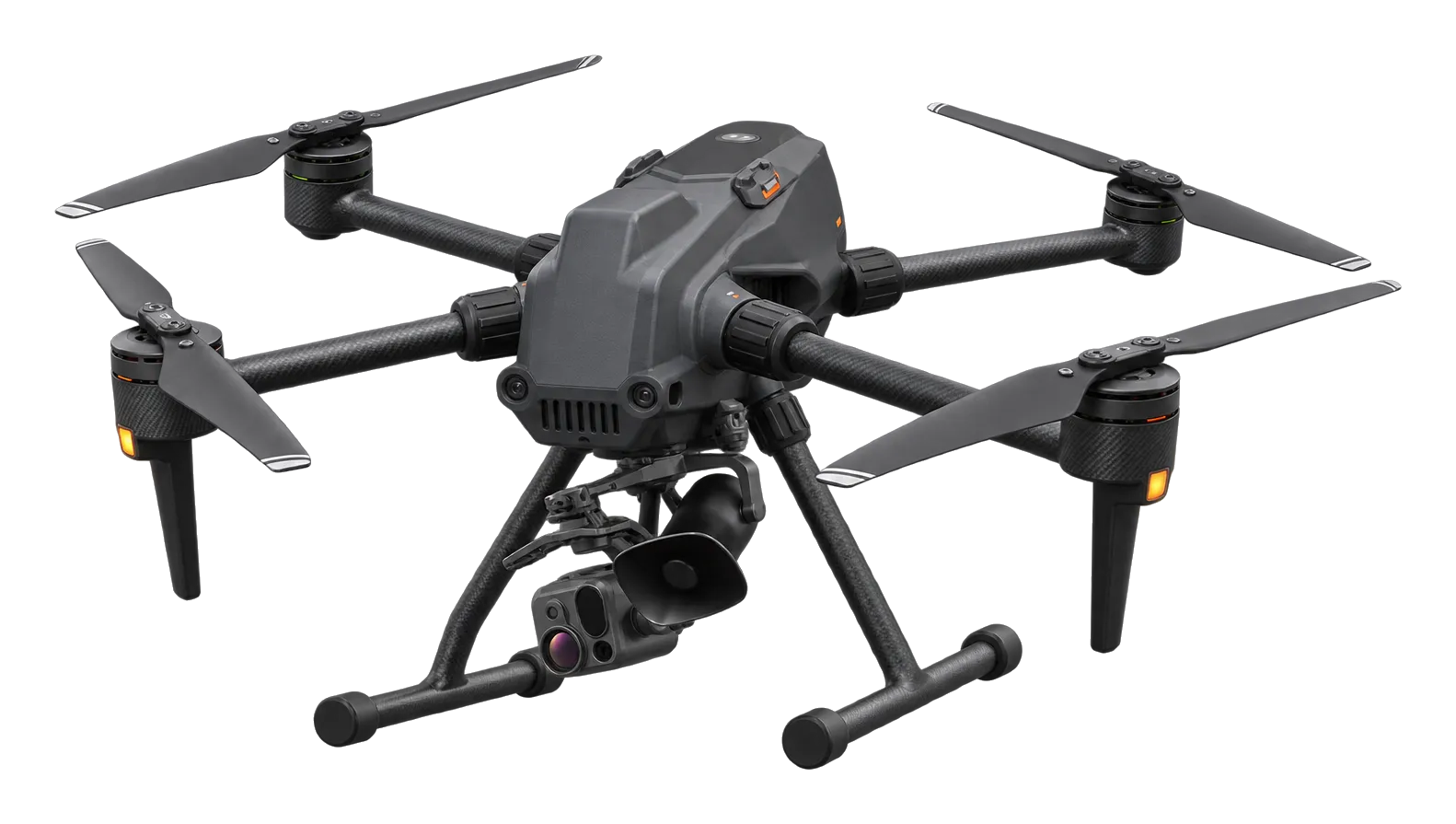
| Scouting | Thermal and visual view of the facade and roof, finds the seat of the fire and people at windows | Inspection drone with thermal camera (IS-4) | One pilot, display for the incident commander | Every high-rise call |
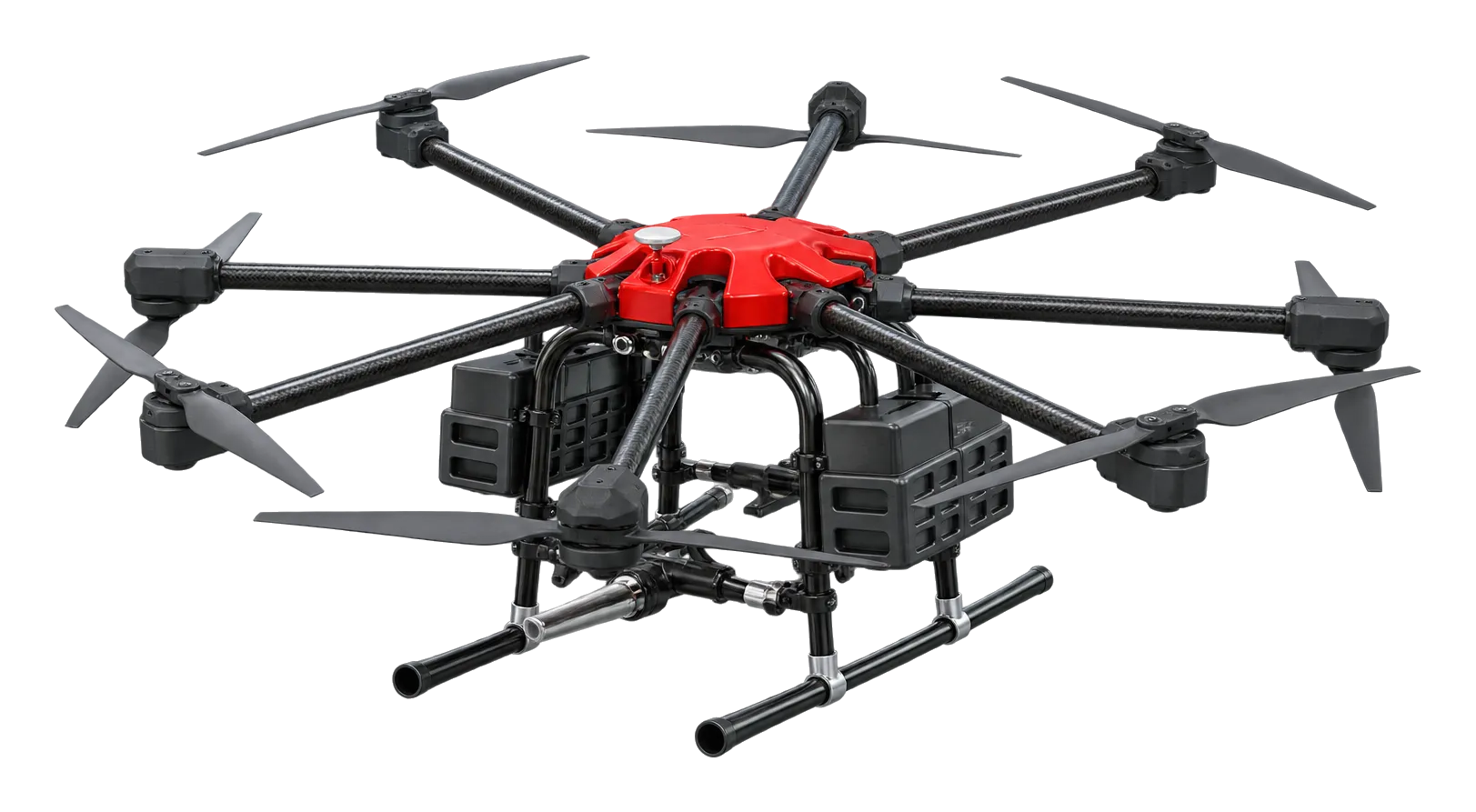
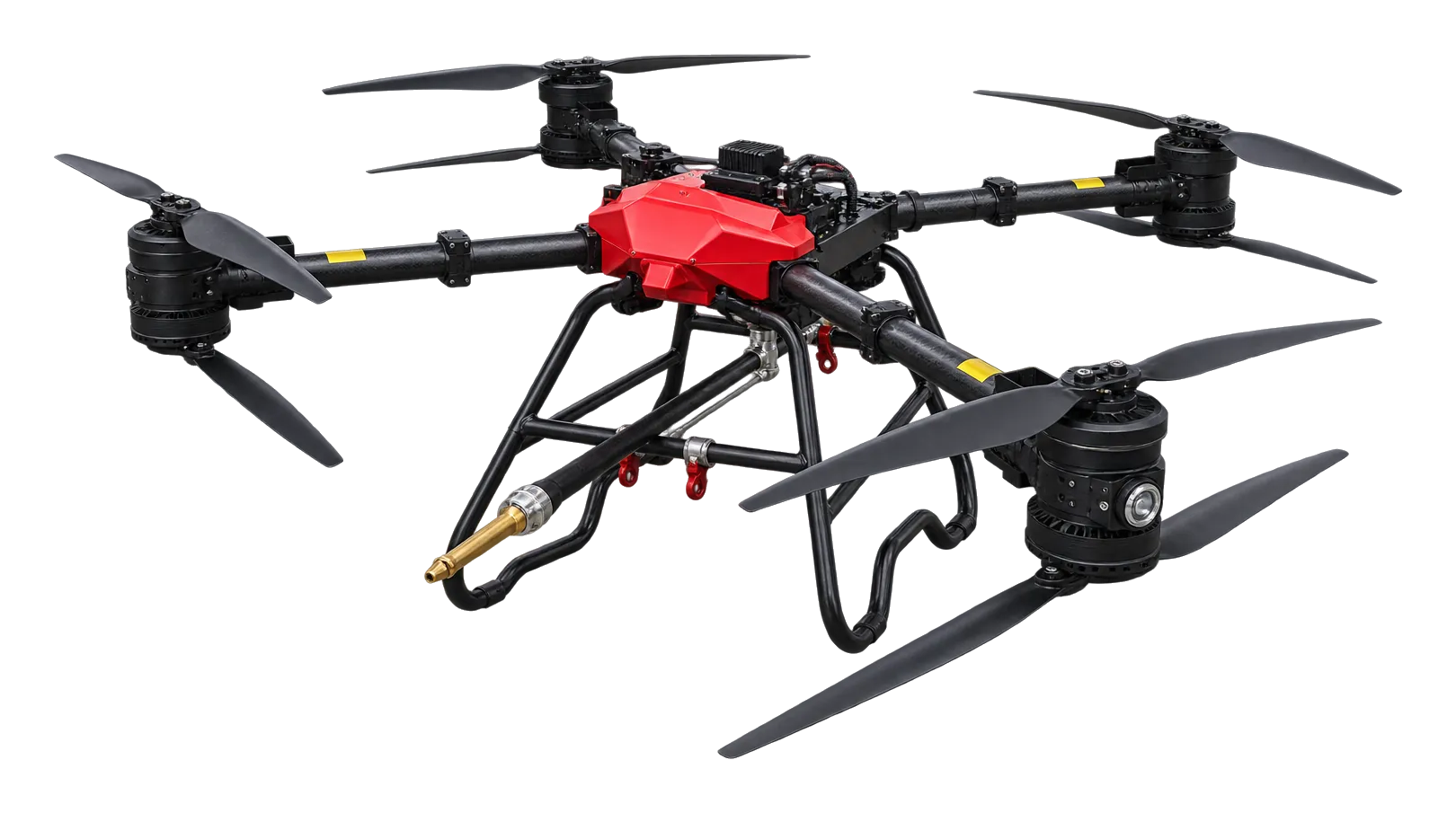
| Hose-fed water | Carries the nozzle end of a hose to a window or facade; water is pumped from the ground | Heavy drone with hose kit (RX-120, RX-200) | Pumps, hose route, exclusion zone | Facade and window fires above ladder reach |
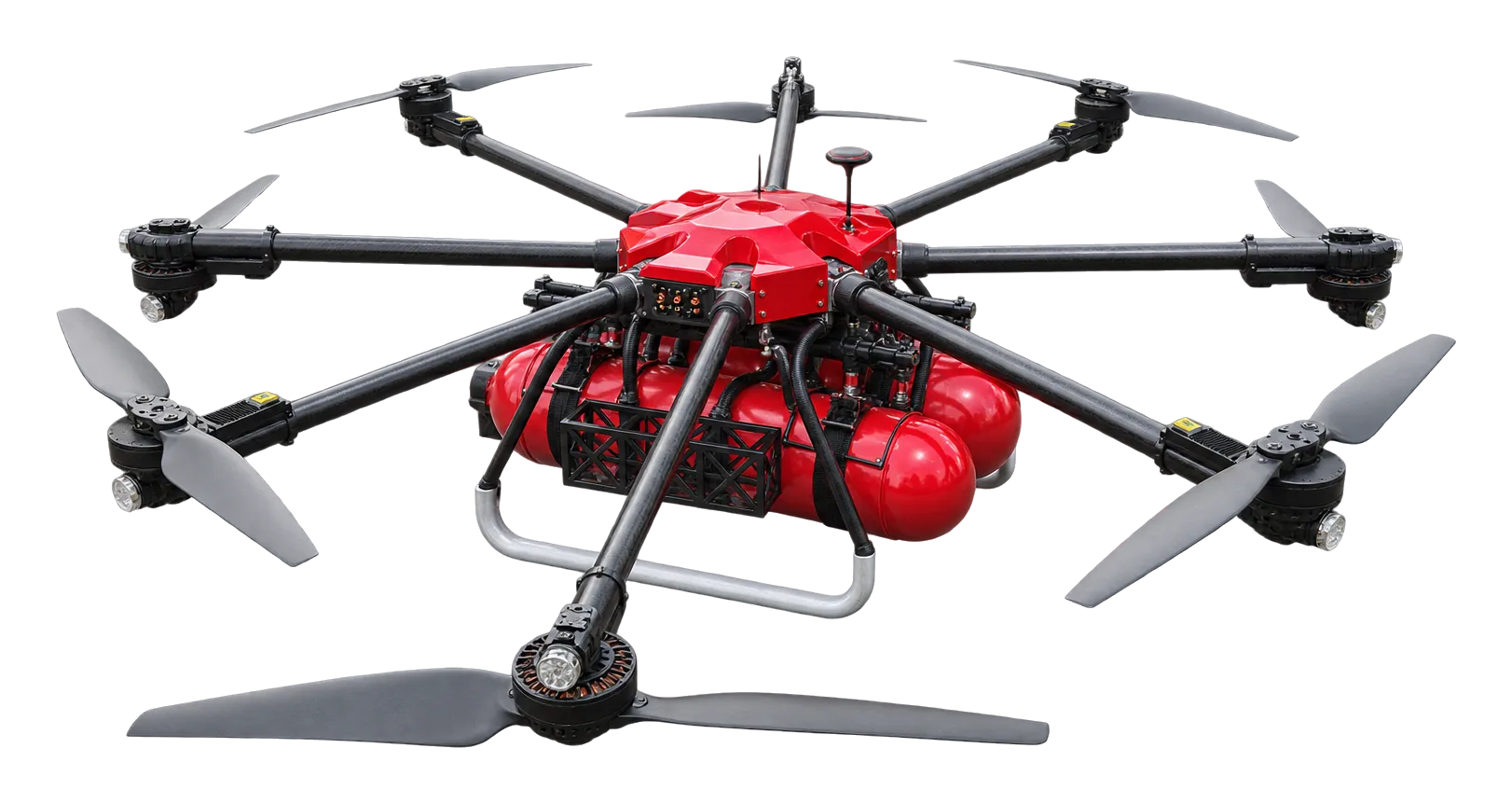
| Pods | Drops extinguishing pods (water-based agent or ABC powder) that burst just above the fire | Heavy drone with pod rack (RX-120, RX-200, RX-100) | Cleared drop area, agent approvals | Roof fires, terraces, areas a hose cannot reach |
Best first purchase: a scouting drone. Best second step for tall buildings: a hose-fed heavy drone, because water stays on the ground and the method is easy to train.
Hose-fed: what limits the reach?
The drone carries the nozzle and the last stretch of hose; the pumps do the lifting. Reach is set by pump pressure, hose diameter and how the hose climbs to the drone. In the RX-120 brochure the 40 mm hose with a 10 mm outlet sprays about 15 m at 15 bar, with up to 100 m of pipe tested. A heavier aircraft such as the RX-200 (200 kg maximum load) has more margin for the weight of a water-filled hose.
Pods: when dropping makes sense
The RX series carries four pods of up to 23 kg, filled with a water-based agent or ABC dry powder. The brochure lists release from 90–150 m with a radio proximity fuze bursting 0–6 m above the target, covering about 50 m² per pod. That suits roof fires and inaccessible areas. It does not suit a fire inside a floor; pods do not enter windows. Drops need a cleared area and procedures your fire authority approves.
Scouting: the drone every service needs
Thermal scouting shows where the fire is spreading behind the facade, finds people at windows and watches the roof. It is cheap, quick to train and useful at every call. Standards such as NFPA 2400 cover how public safety agencies set up small drone programmes.
Worked example: hose reach on an 18-storey tower
Example only, assumed figures. A fire on the 15th floor of an 18-storey residential tower is at about 45 m. The ladder reaches 32 m. The crew sets a pump at street level and runs the hose up to a hose-fed drone hovering about 10 m from the facade at 42 m. With the nozzle’s 15 m spray distance, the stream reaches the window from a safe distance. Whether the pumps can hold 15 bar at the nozzle at that height is a question for your fire engineers and should be tested in drills first.
What a programme needs
- Crew: two to three trained people per heavy drone: pilot, hose or pod handler, safety officer.
- Procedures: when to launch, exclusion zones, communication with the incident commander.
- Approvals: from the aviation authority and fire authority; in the US see the FAA’s public safety page.
- Drills: regular training on real buildings before the first live call.
Next step
Compare the firefighting range or send your building heights, equipment and procedures through the contact form. We reply with a configuration and a reference price.
Q & A
Common questions
01Can drones be used for firefighting?
Yes. Fire services use small drones daily for thermal scouting, and heavier drones are used to deliver water through a hose or to drop extinguishing pods. The heavy uses still need trained crews and approvals.
02How much does a firefighting drone cost?
Public FOB listings from Chinese suppliers in late 2026 put 100–150 kg firefighting drones at roughly US$63,000–84,000 before accessories, training and shipping. Scouting drones with thermal cameras cost far less.
03How high can a hose-fed drone reach?
It depends on the pumps and the hose route. In the RX-120 brochure test the nozzle sprays about 15 m at 15 bar with up to 100 m of pipe tested. Your fire engineers set the real limits for your equipment.
04What agents do pods carry?
Water-based agents or ABC dry powder in the RX series pods. The fire authority decides which agents and drop procedures are allowed.
05Who can fly them?
Trained crews within your fire service or a contracted operator, under the drone rules of your country. Public safety agencies in the US can use FAA public-aircraft or Part 107 routes.
References
- 1Drones for Firefighting in High-rise Buildings — Fly4Future
- 2NFPA 2400: Standard for Small Unmanned Aircraft Systems Used for Public Safety Operations — National Fire Protection Association
- 3Public Safety and Government — Federal Aviation Administration
VEXAFLY Aviation Technology Co., Ltd.. VEXAFLY Aviation Technology Co., Ltd. — industrial drone maker in Nanjing. Our application engineers write and check these pages and configure inspection, cleaning, lift and fire-response systems for project buyers. About VEXAFLY